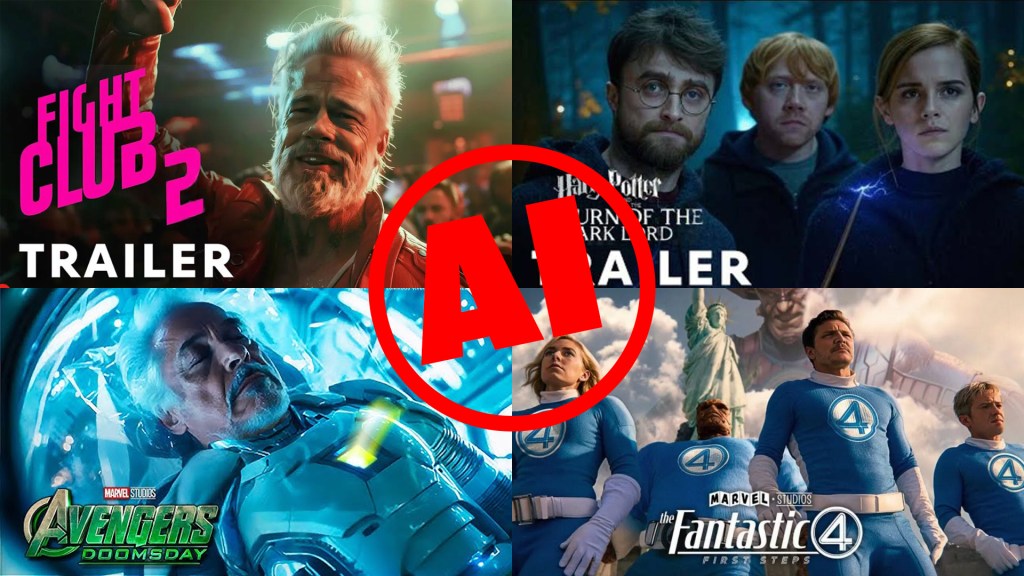
If you have ever searched for a new trailer and had to wade through a wall of “Official Trailer” uploads that clearly were not official, you are not alone. This week, YouTube terminated two of the most notorious channels in that space: Screen Culture and KH Studio. Both built massive audiences by creating “movie trailers” that appeared real at a glance, even when they were stitched together from older footage, AI-generated clips, or completely fabricated concepts.
The reaction online has been pretty consistent: finally.
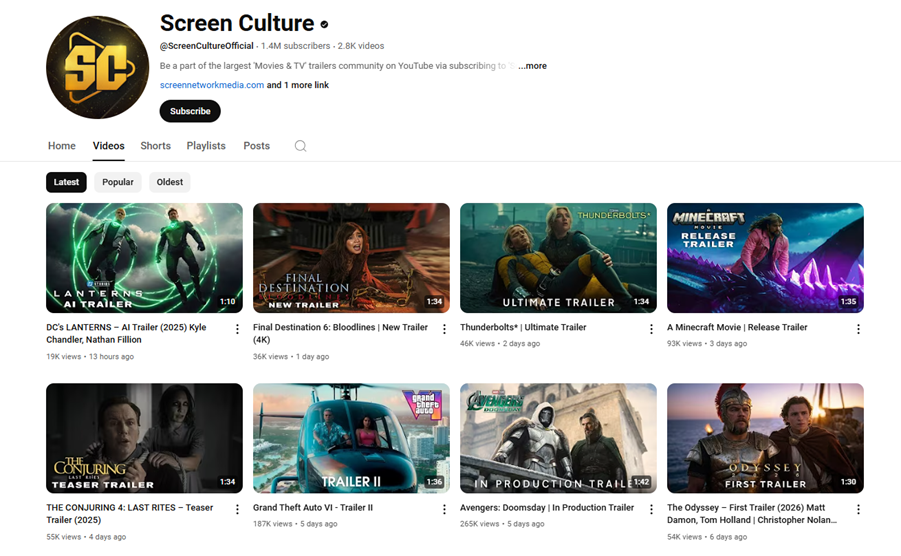
What Actually Got Taken Down
Screen Culture and KH Studio were not small hobby channels. Between them, they attracted millions of subscribers and amassed view counts that rival those of legitimate entertainment outlets. Their content typically followed one of two formulas:
Screen Culture: “enhanced” and repackaged marketing, often by blending real clips with AI tweaks or misleading edits that made it feel like new official footage had dropped.
KH Studio: more of the full fantasy approach, creating entirely hypothetical trailers, like casting dream versions of big franchises or inventing “new seasons” and sequels that do not exist.
That kind of content has been everywhere lately, but these two channels were the names that kept popping up at the top of search results, which is exactly why people were so fed up.
Why Fans Were So Over It
Fake trailers are not new. YouTube has always had parody trailers, fan edits, and “what if” concepts, and plenty of those are made with real creativity and clear intent. The issue here is presentation.
When titles, thumbnails, and metadata push “official” language, it stops being a fun fan project and starts becoming a visibility hack that wastes people’s time. It also creates a bigger mess:
Viewers get tricked or confused, especially casual fans who are not following every studio drop.
Official marketing gets buried because the algorithm does not care why you clicked, only that you clicked.
The whole search experience gets worse because you are basically playing roulette every time you type “trailer” into YouTube.
A big part of the celebration is simple: people are tired of being baited.

The Monetization Backstory Matters
This did not come out of nowhere. Earlier in 2025, reporting around these channels highlighted how they were making money and how hard it was for YouTube to draw the line between fan content and deceptive content at scale.
One of the more frustrating angles was that the system sometimes rewarded the problem. Even when studios disliked the videos, there were cases where the content still stayed up, and ad revenue flows became part of the story, whether through monetization rules, claims, or the broader “let it run” incentives that platforms struggle with.
YouTube reportedly demonetized these channels earlier, and then things escalated again later, with YouTube now citing policy violations tied to spam and misleading metadata. In other words, this was not a single slip. It was a pattern that kept drifting back toward “this looks official” energy, which is the fastest way to set off a platform crackdown.
What This Means for AI Trailer Culture Going Forward
This takedown feels like a marker. Not the end of the problem, but a sign that YouTube is more willing to remove big repeat offenders instead of just playing whack-a-mole with monetization.
Still, it leaves a bunch of open questions:
How aggressively will YouTube go after the next wave of copycats?
What happens when smaller channels keep doing the same thing, just under different names?
Where is the line between clearly labeled fan concept videos and content designed to confuse search and recommendations?
If you are a viewer, the practical upside is immediate. Searches should get a little less annoying. If you are a creator, the signal is also pretty clear: “concept trailer” is not a magic shield if everything else about the upload is trying to impersonate a studio release.
How to Spot the Real Trailer Faster
You should not have to do homework to watch a trailer, but here are a few quick habits that save time:
Check the uploader first. Studio channels and official brand accounts are usually easy to spot.
Be skeptical of “Official Trailer” language paired with random channel names, especially if the thumbnail looks like it was built to mimic a studio one-sheet.
Scan the description for clear labeling. If it is a fan concept, that should be obvious upfront, not buried.
This is one of those rare platform moves where the average viewer’s benefit is immediate. It does not fix the entire AI slop problem, but it does remove two of the most persistent offenders people complain about every time a big title starts trending.






 gfpods.com
Leave a comment