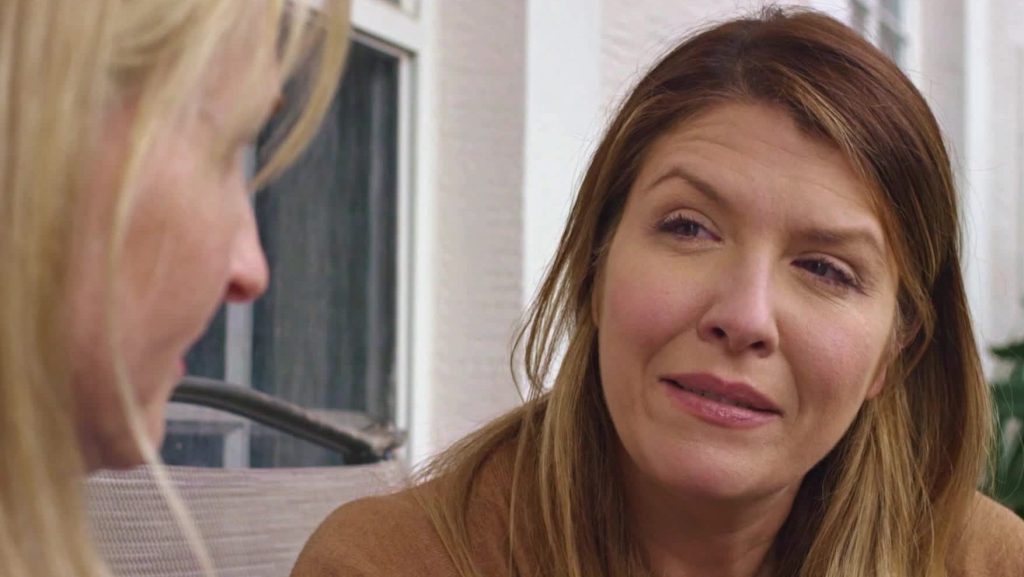
The Candle has a clean, simple setup that should be an easy emotional win: a young girl named Lisa is on her deathbed, her mother Michelle is falling apart, and a mysterious candle enters the room with the promise of something bigger than grief. On paper, that is the kind of story that can wreck you in ten minutes if it’s played with restraint.
The frustrating part is that the short actually lands its one biggest story beat. When the candle is finally lit, and it has an immediate effect on Lisa, it genuinely surprises me. That moment has the shape of a great turn, the kind that should make you sit up and lean in, because it shifts the story from sorrow to the unknown. For a second, it feels like the film is about to open a door instead of explaining the hallway.
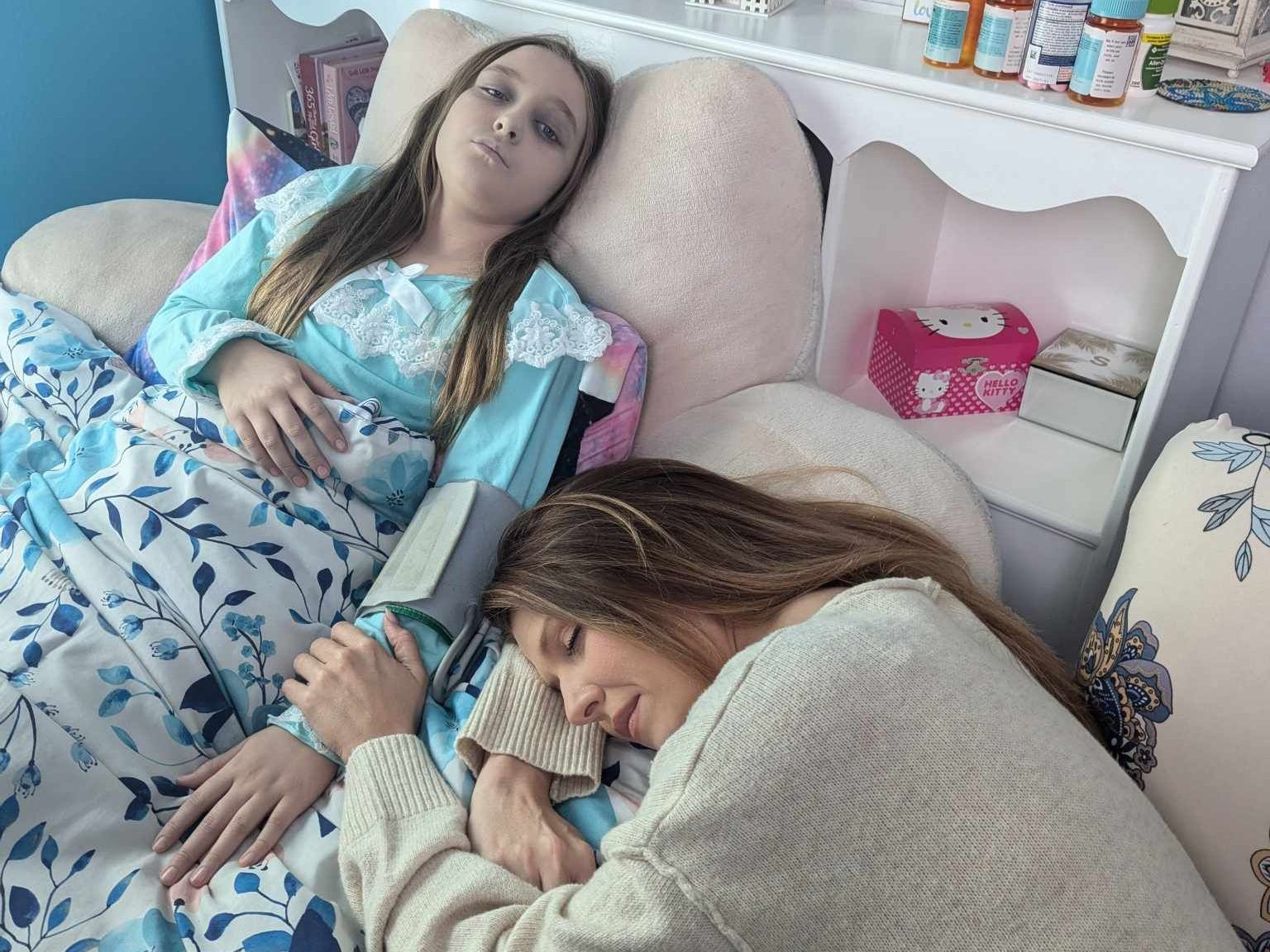
But almost everything around that twist keeps it from hitting as hard as it should. The performances, especially from the leads, are rough enough that I never got emotionally attached to Lisa or Michelle. And in a story where the entire point is a mother and child facing the end together, that lack of connection is basically fatal. I wanted to feel the dread and tenderness underneath every line. Instead, I was watching actors try to sell “big” feelings without the lived-in details that make those feelings believable.
The film also leans into a “being” tied to the candle, and the idea could be haunting or comforting depending on how it’s handled. Here, it played cheesy. Part of that is the dialogue and part of it is the tone. The short keeps pushing its meaning forward so aggressively that it stops feeling like a story and starts feeling like a message delivery system. By the time it’s clearly framing the theme as “the soul continues beyond death, into an afterlife embrace,” it’s not letting the audience find the emotion. It’s telling you what to feel, and it’s telling you again, louder.
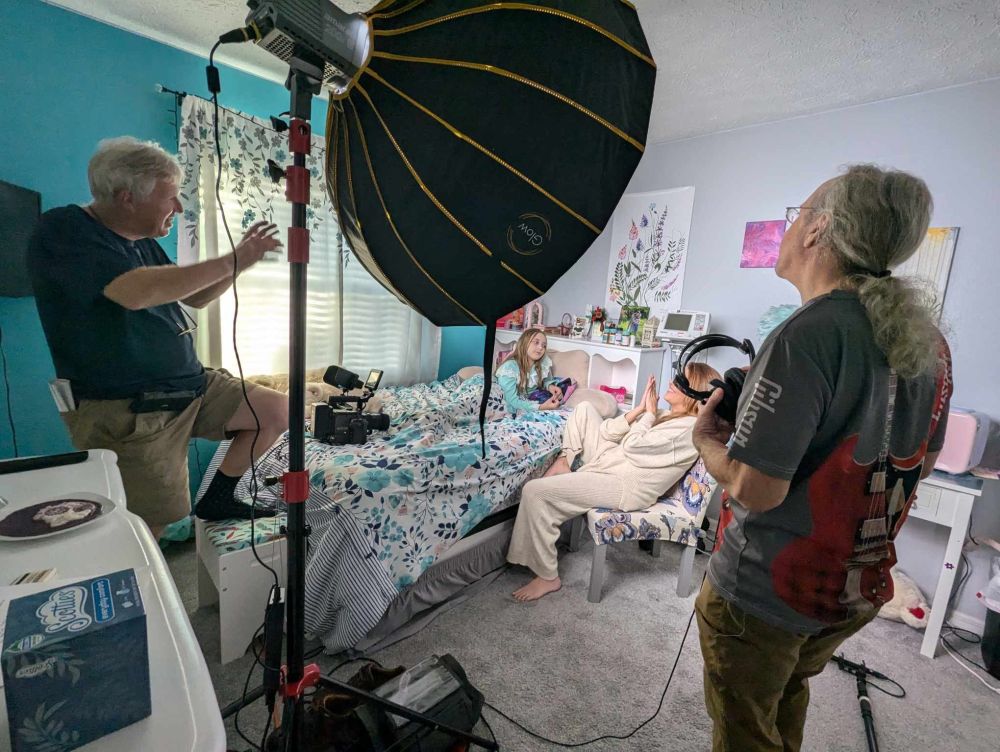
On the technical side, there’s real potential. A lot of the lighting looks strong and thoughtfully composed, and some shots feel like they’re reaching for something more cinematic than you usually get in micro-budget shorts. The problem is the inconsistency. The two-shot of mother and daughter stands out in the worst way because it doesn’t match the brighter look of the surrounding scenes. It’s the kind of mismatch that pulls your attention away from the moment, and this film can’t afford that, since it’s already fighting to build emotional trust.
The one person who cut through all of it for me was Marsha Garrett. She felt real. Even when the script is pushing hard, her presence reads grounded, like someone who understands how to underplay a line and still make it land. If the rest of the cast had found that same natural rhythm, the candle’s “reveal” might have carried the film the way it clearly wants to.
In the end, The Candle has a solid hook and a surprising beat when it counts, but it undercuts its own power with stiff performances and a theme that’s pushed so hard it starts to feel like pressure instead of comfort. It’s a short I wanted to be moved by, and it just never gave me a human enough center to hold onto.


 gfpods.com
Leave a comment