Spoiler Free
James Cameron’s Avatar: Fire & Ash is the kind of movie that reminds you why theaters still matter. It’s huge, it’s gorgeous, and it’s built for the biggest screen you can find. It’s also long, and you can feel that runtime in a few stretches where side storylines linger longer than they need to. But the important thing is this: even at nearly three and a half hours, it holds attention, and the last hour hits with real force. It’s engaging, it’s emotionally charged, and it lands like a final act that knows exactly what it wants to do.
Visually, this is everything you expect from Avatar and James Cameron, which is a compliment. Pandora still feels like a real place, not just a CGI playground. The environments have weight, detail, and a sense of lived-in history. The film also leans harder into contrast than the earlier chapters, especially with the human presence on Pandora feeling more rooted in industry and expansion. That constant orange glow of machinery and heat gives the human world a harsh identity that plays directly into what the movie is doing thematically.
The Fire Tribe Changes The Whole Vibe
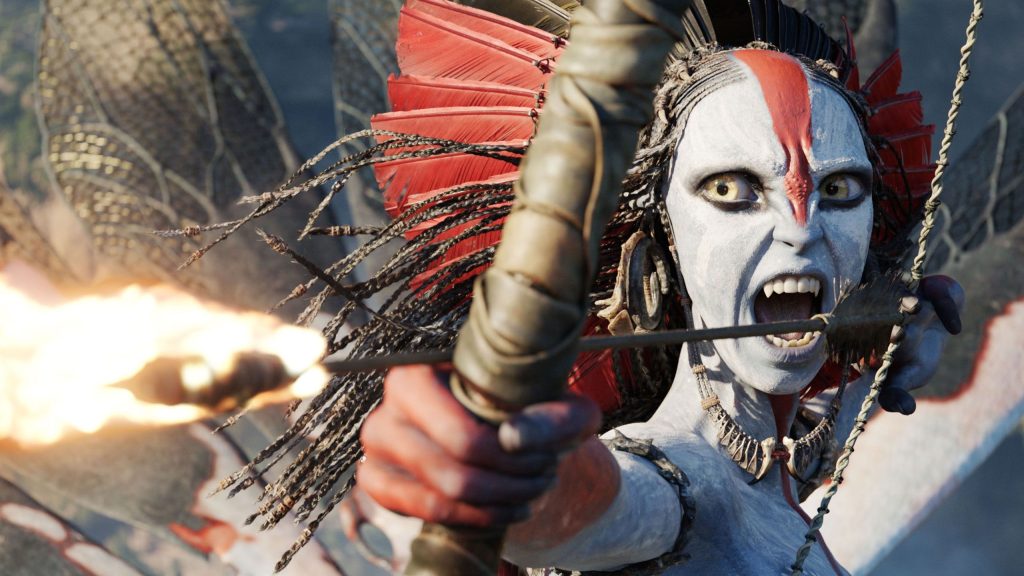
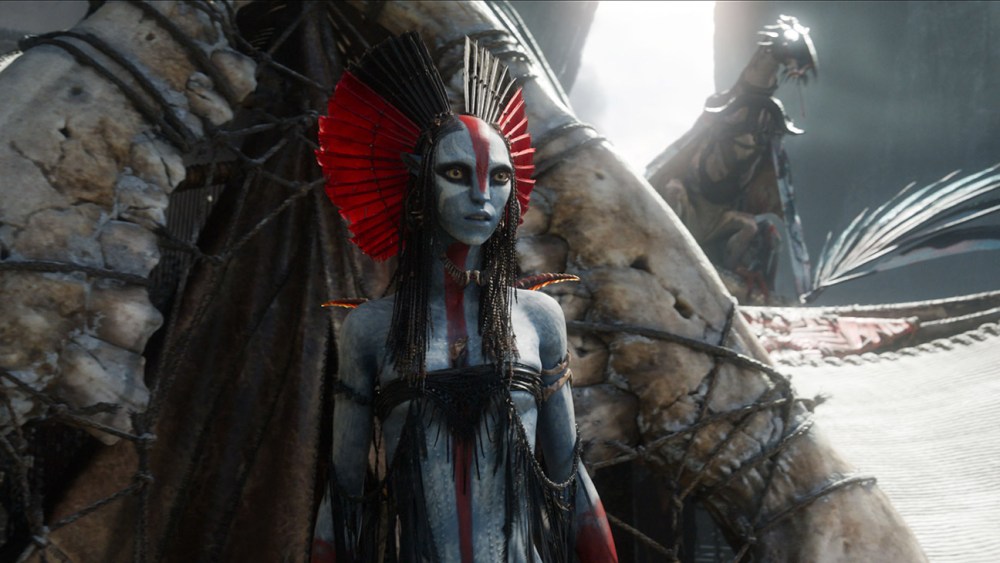
The biggest new addition is the Mangkwan, also referred to as the Ash People, and they are a genuine shot of fresh energy into the franchise. They are not just “another Na’vi tribe” with a different color palette. They feel culturally distinct, motivated, and dangerous in a way we have not really seen from the Na’vi before. It’s a more feral, volatile presence, and the film makes them feel like a real civilization with their own logic, not just a new faction to fight.
That’s largely because of Varang, played by Oona Chaplin. She isn’t just a threat, she’s a puzzle piece. Every time she’s on screen, the movie feels sharper. She has an intensity that makes the conflict feel less like a repeat of “humans bad, Na’vi good” and more like a story where Pandora itself is complicated. If you walk out of this movie talking about one character the most, it’s probably Varang.
The Villains Are More Fun To Watch Than The Heroes
Performance-wise, most of the cast is solid and serviceable, but the movie’s “cool factor” often belongs to the villains and the antagonistic forces. Stephen Lang’s Miles Quaritch is still a compelling presence, and the film continues to explore the uncomfortable tension around Spider (Jack Champion), especially as the story pushes the Sully family into harder choices.
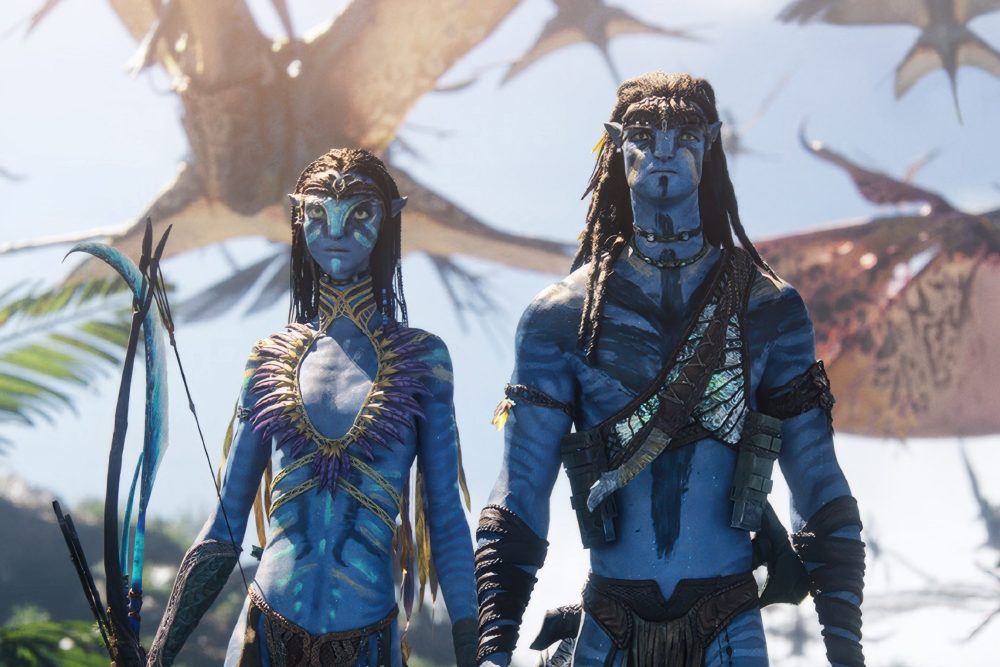
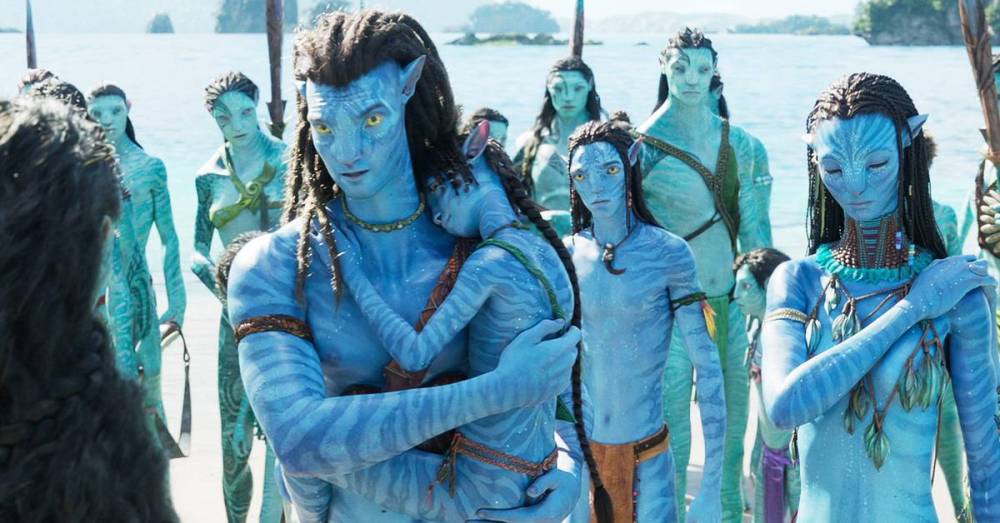
Jake Sully (Sam Worthington) also feels more fleshed out here than he has in a while. There’s a stronger sense of who he is as a leader and father, and his arc plays with grief and responsibility in a way that gives him more dimension. The film is clearly carrying forward the emotional fallout from The Way of Water, including the family’s grief over Neteyam’s death, and that pain hangs over the story in a way that actually matters.
The kids, including Lo’ak (Britain Dalton) and the rest of the family, are mostly dependable. They do their jobs, nothing feels embarrassing, but they are not all equally memorable. Where the film does succeed is in making the family unit feel earned. They feel more complete here than they did in the previous film, not because the movie tells you they are, but because it puts them through decisions that force that bond to prove itself.
The One Major Casting Choice That Keeps Pulling Me Out
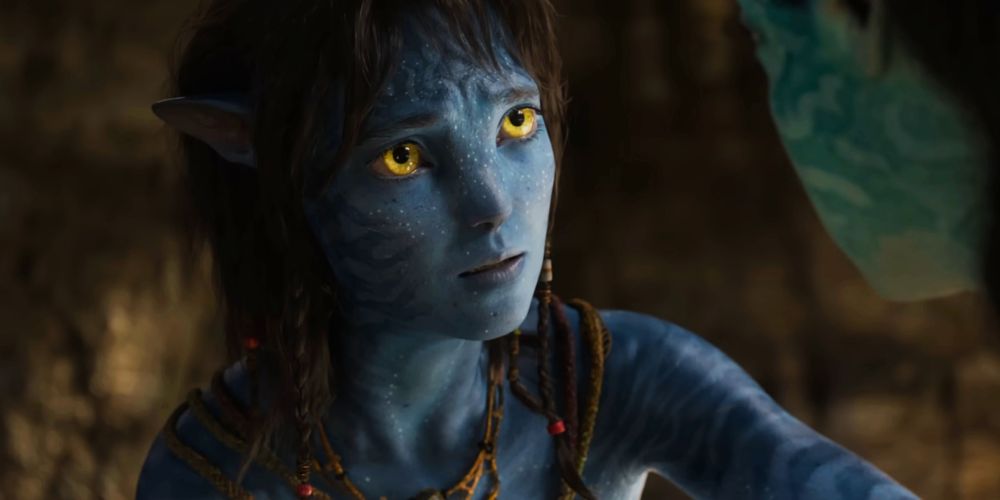
This is where the movie hits its biggest snag for me: Kiri. Sigourney Weaver is an incredible actor, but her playing Kiri continues to feel like a mismatch. She’s too iconic, and that presence makes it hard to buy her as a young Na’vi girl, especially in dialogue-heavy scenes. The problem is that Kiri is becoming more central to the larger mythology of Pandora, and the more important her storyline becomes, the more distracting that casting choice feels.
When the film moves toward the spiritual side of Pandora and the “greater forces” around Eywa, it should feel awe-inspiring and intimate. Instead, for me, it too often becomes a part of the movie that breaks immersion. It’s a frustrating issue because the character is clearly meant to be significant, but the execution keeps pulling focus away from the story.
Family Is The Real Theme, And It Actually Lands This Time
Under all the spectacle, Fire & Ash is really about family, and not just family by blood. The movie leans into the idea of chosen family, found family, and the kind of bond that gets tested by trauma and still holds. There are moments where characters make decisions that only make sense if family is the highest priority, even above strategy, honor, or logic. And for the most part, the film sells it. It feels like Jake and Neytiri have earned the unity of their family more here than they did when that unit was still forming in the last movie.
That emotional foundation is why the final hour works so well. Even when the film brushes up against familiar Avatar rhythms and repeats a few notes you can recognize from the first two movies, the escalation still feels real. The new conflict, the new tribe, and Varang’s presence make it feel like the franchise is finally widening its scope in a way that matters, not just expanding the map.
I walked out thinking what I always want to think after an Avatar movie: that was worth the ticket. It’s stunning to look at, fun to experience, and stronger emotionally than it gets credit for, even with some pacing bloat and one major casting distraction. If you can see it in theaters, that’s the way to do it.



 gfpods.com
Leave a comment