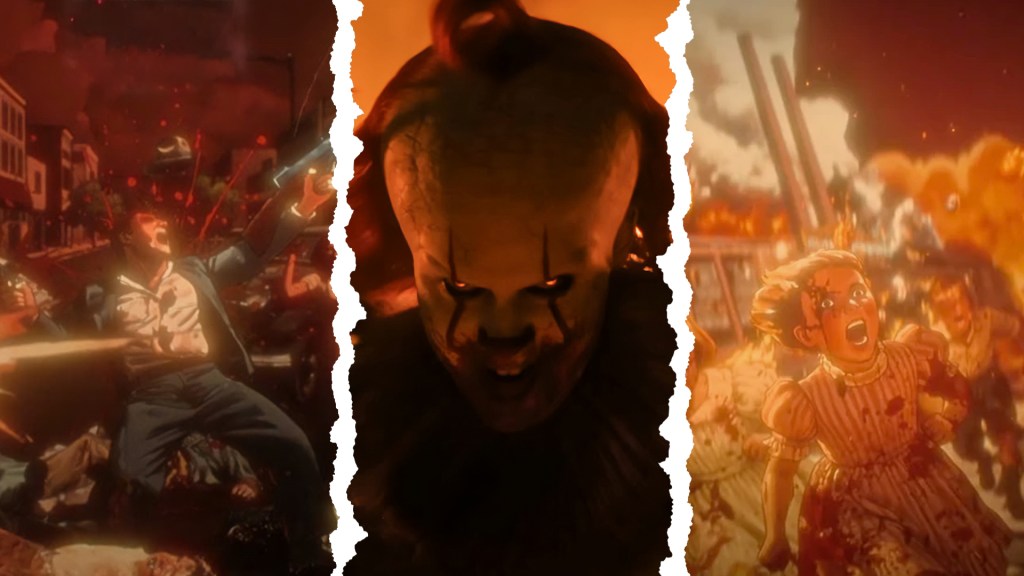
If HBO keeps moving forward with the plan Andy Muschietti has discussed publicly, It: Welcome to Derry is basically built to run in reverse. Season 1 takes place in 1962, and the next two seasons are meant to rewind to earlier Pennywise cycles: Season 2 in 1935 (the Bradley Gang Massacre) and Season 3 in 1908 (the Kitchener Ironworks explosion). That “backwards” structure is the point, because each step back gets closer to the roots of what’s wrong with Derry and why this evil keeps winning there.
It’s worth flagging one common mix-up: you’ll sometimes see different years attached to these events depending on which It canon you’re pulling from. The show’s stated roadmap lines up with 1935 and 1908.
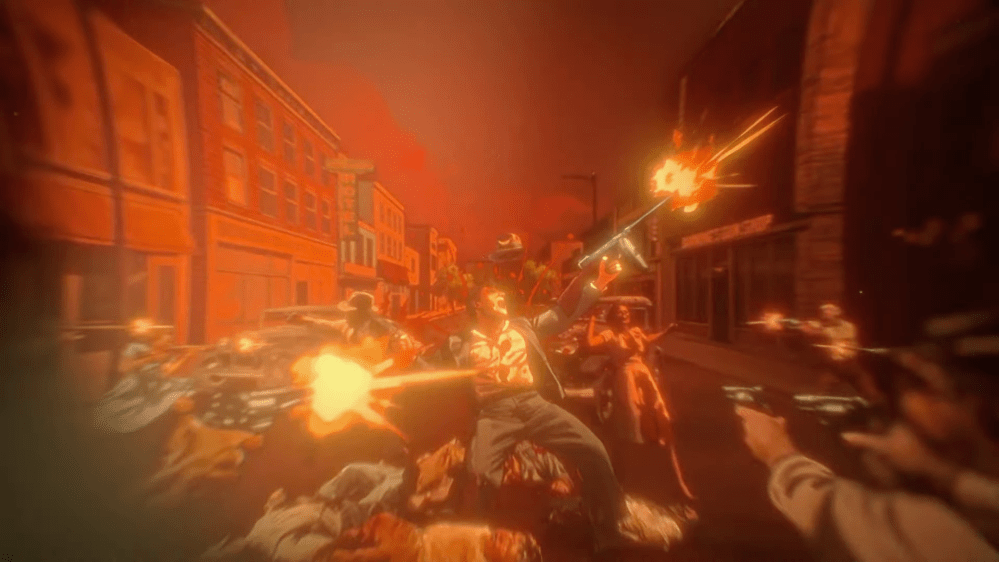
Season 2 In 1935, Will Put The Whole Town On Trial
The Bradley Gang Massacre is not just “a bad thing that happened in Derry.” It’s the kind of story that exposes Derry’s ugliest pattern: the way fear turns into permission.
In the It mythology, the Bradley Gang are violent criminals who roll into town, and what follows is less a clean shootout and more an eruption. Townspeople end up taking justice into their own hands, and the line between “stopping monsters” and becoming one gets wiped out fast. Pennywise thrives in that exact moment because the entity doesn’t only feed on individual terror. It feeds on a community deciding it’s fine to do terrible things as long as it feels justified.
A 1935 setting also gives the show a whole new social pressure cooker to play in: Depression era desperation, distrust, corruption, and the kind of civic rot that makes people easier to manipulate. If Season 1 is about kids trying to name what’s happening while adults look away, Season 2 has the opportunity to show adults actively choosing the wrong answers, then living in denial afterward.
And that denial matters. One of the most unsettling parts of Derry has always been how quickly the town forgets. A season centered on the Bradley Gang can make that “selective amnesia” feel earned, not just spooky.
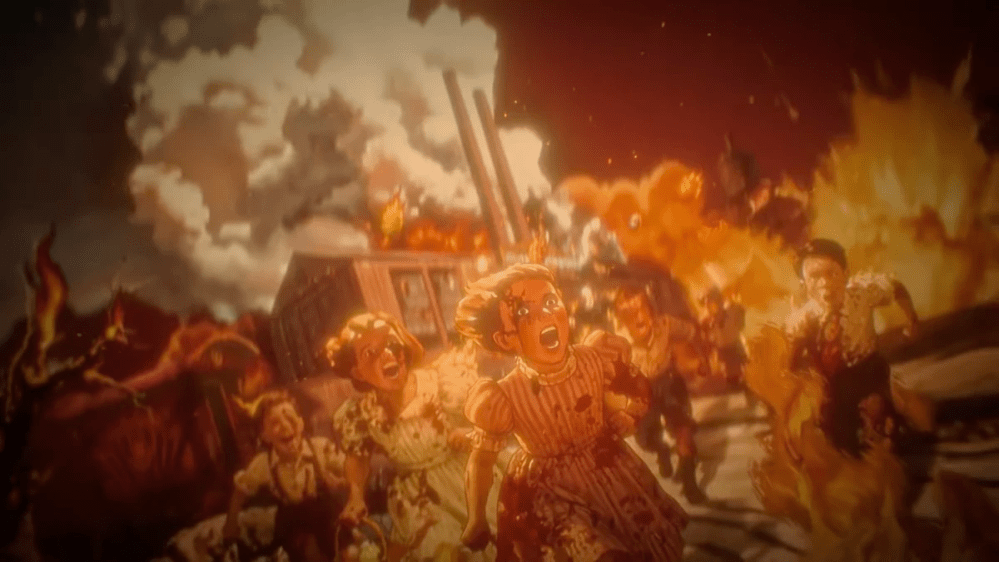
Season 3 In 1908 Should Be The Series At Its Meanest
If Season 2 is about moral collapse, Season 3 is about pure catastrophe.
The Kitchener Ironworks explosion is one of the darkest events tied to Pennywise’s cycle: a public disaster with a massive child death toll, often framed around an Easter egg hunt that turns into a nightmare. It’s also the kind of story that explains why Derry feels cursed in a way that goes beyond “there’s a clown in the sewer.” This is big, communal horror, the kind that rewires a town’s personality for generations.
Season 3 is also where the show can get closer to Pennywise’s “origin” without turning it into a neat, comforting explanation. The more interesting angle is not giving the monster a tidy backstory, but showing how long it’s been shaping Derry’s culture and how early it learned what works. Going back that far can make the series feel less like a prequel to the movies and more like a history of a place being slowly trained to accept the unacceptable.
If the writers lean into it, 1908 could also be where the show most clearly draws the line between Derry and Pennywise as separate things that have become inseparable. At a certain point, the town is not just a setting. It’s part of the mechanism.

The Backwards Timeline Is A Smart Way To Keep Raising The Stakes
Normally, prequels have a ceiling. You already know where the story “has to” land.
But Welcome to Derry sidesteps that by making each season a different kind of horror story with a different social temperature. 1962 lets the show live in character bonds and immediate dread. 1935 can focus on group violence and complicity. 1908 can go full historical nightmare, the kind of season that leaves you feeling like the town never had a chance.
It also naturally pushes the series toward an anthology vibe. Even if a few characters or family names echo across time, each season can reset the board with new protagonists, new victims, and a fresh angle on how Pennywise operates. Bill Skarsgård’s presence becomes the connective tissue, and the “rules of Derry” become the mystery that deepens instead of shrinking.
More Than a Clown
If Season 2 and Season 3 follow that roadmap, the biggest payoff is not simply “seeing the events mentioned in the book.” It’s watching the show explain the invisible stuff.
If Season 1 opened the door, 1935 and 1908 are where the show can make Derry feel like the real monster’s favorite invention.





 gfpods.com
Leave a comment