Netflix has reportedly beaten Paramount Skydance and Comcast in the high stakes fight for Warner Bros. Discovery’s crown jewels and is now in exclusive talks to buy the company’s film and TV studios along with HBO Max. According to multiple reports, Warner Bros. Discovery selected Netflix after the streamer hit a key $30 a share target for the studio and streaming assets and agreed to an unusually large 5 billion dollar breakup fee if regulators block the deal.
If this closes, it will be one of the biggest entertainment deals since Disney bought Fox and AT&T swallowed Time Warner. It would fold Warner Bros. Pictures, HBO, and DC Entertainment into Netflix’s orbit and potentially value the transaction at close to 70 billion dollars, depending on the final mix of assets and debt included in the agreement.

What Netflix Is Actually Buying
Netflix is not trying to buy all of Warner Bros. Discovery. The talks center on the studio and streaming side of the house:
- Warner Bros. film and television studios
- The HBO and HBO Max streaming business
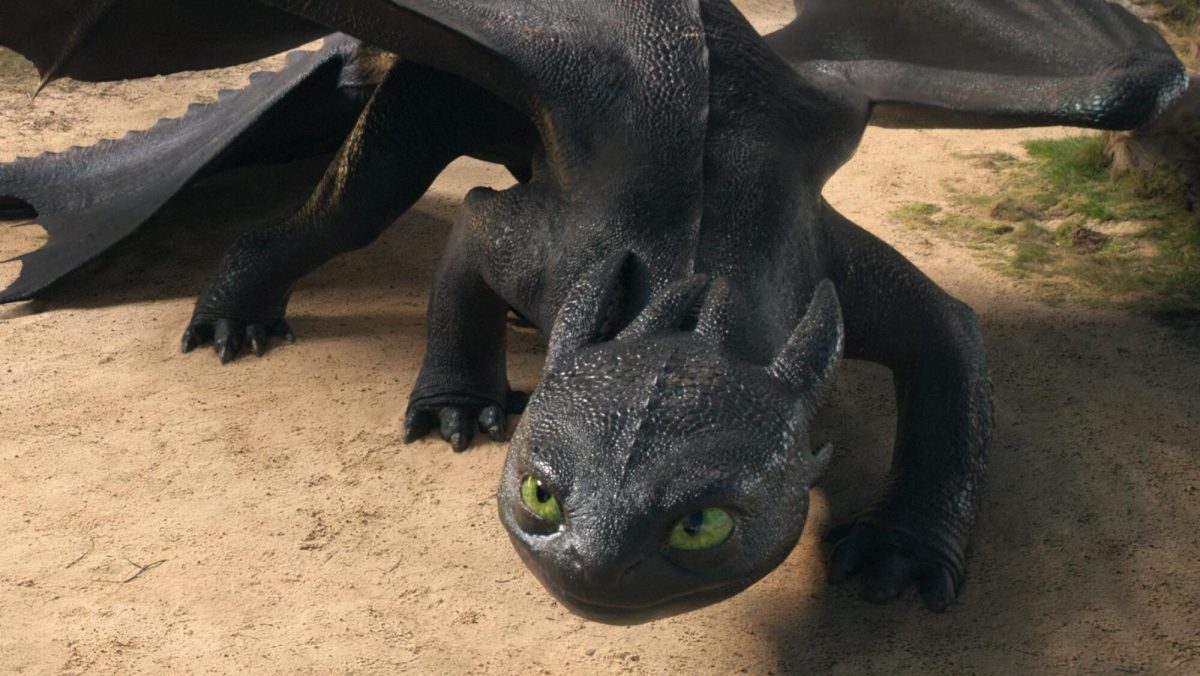
- A deep library that includes DC, Harry Potter, The Lord of the Rings related rights held by WBD, classic Warner films, and HBO’s prestige series
Traditional cable networks like CNN, TNT, and TBS are expected to be left behind in a separate company or spun into a different structure, depending on how the final deal is shaped.
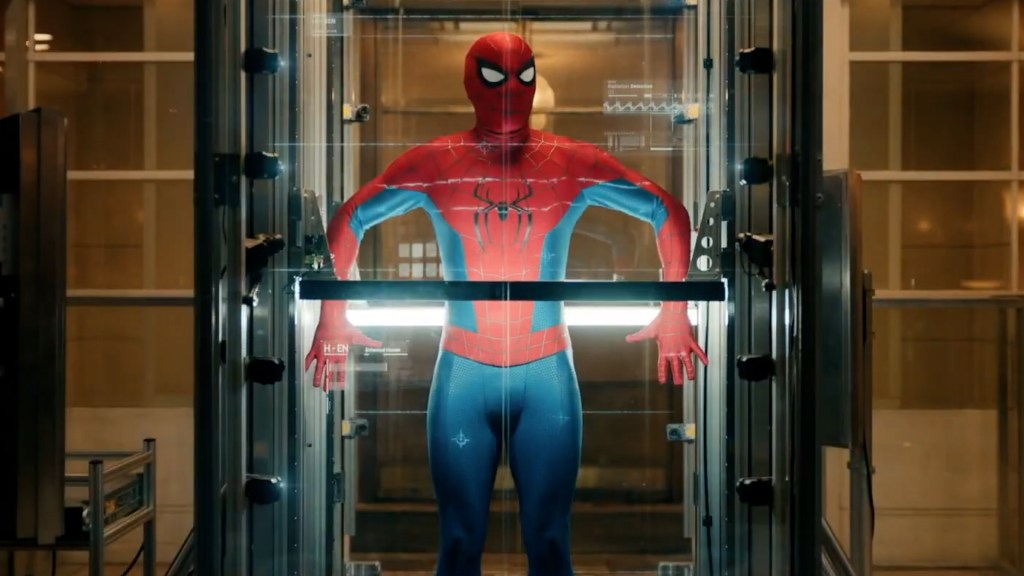
For Netflix, this is a play to bolt a century of studio history onto the world’s largest subscription streaming platform. The company has spent years trying to build evergreen franchises from scratch. Gaining Batman, Wonder Woman, the Wizarding World, and the HBO catalog in one move would instantly give Netflix a library that can sustain theme park attractions, consumer products, and global event releases in a way its current slate only brushes against.
A Mostly Cash, High Risk Offer
Reports describe Netflix’s bid as a mostly cash proposal, backed by tens of billions in financing, with some stock likely included. Warner Bros. Discovery had long signaled it wanted something close to 30 dollars a share for its most valuable assets, and Netflix’s willingness to match that figure appears to have tipped the race in its favor.
On top of the per share price, Netflix has offered a 5 billion dollar breakup fee, matching a similar sweetener added by Paramount Skydance in a last ditch effort to stay competitive. That fee is essentially a bet that the company can survive a long antitrust review in Washington and other jurisdictions. If regulators kill the deal, Warner Bros. Discovery walks away with billions in cash.
From the Netflix side, this would be the largest acquisition in the company’s history. Investors have already shown nerves, with the stock dipping as the prospect of such a massive check and a long regulatory fight becomes more real.
Rivals Say The Sale Was Tilted Toward Netflix
Netflix did not win this in a vacuum. Paramount Skydance and Comcast both put serious offers on the table, with Paramount pushing to acquire the entire company, including cable networks, and Comcast focusing, like Netflix, on the studio and streaming assets.
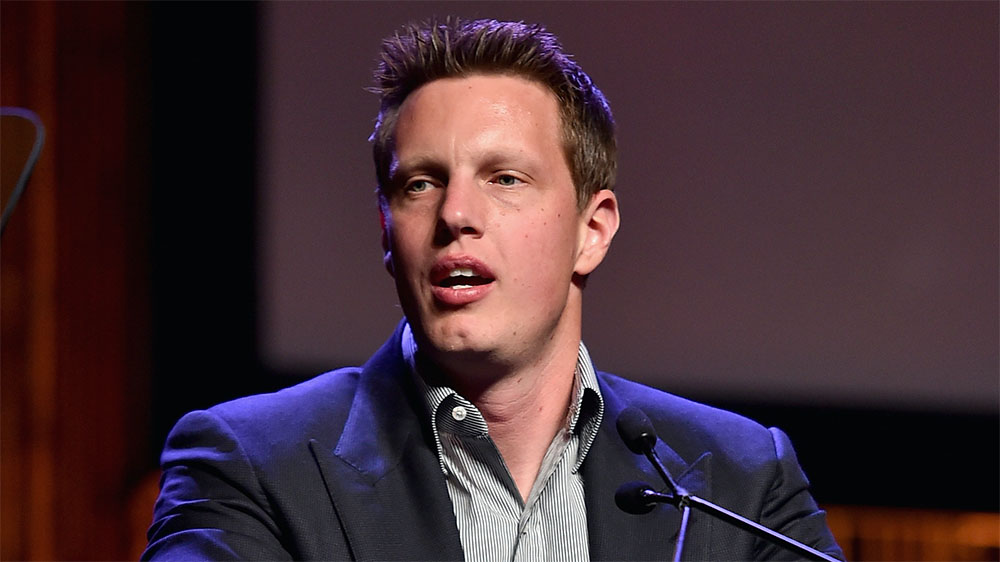
In a strongly worded letter to Warner Bros. Discovery CEO David Zaslav, Paramount’s legal team accused the company of running a biased process that favored Netflix from the start. The letter argued that Warner Bros. Discovery had “abandoned the semblance and reality of a fair transaction process” and warned that a sale to Netflix would face brutal antitrust scrutiny and might never close.
Paramount has pitched itself as the cleaner regulatory option after its own merger of Paramount and Skydance earlier this year. Netflix’s higher bid, the existing relationships between top executives, and Warner Bros. Discovery’s desire for a mostly cash offer all appear to have outweighed those arguments, at least for now.
The Coming Antitrust Fight
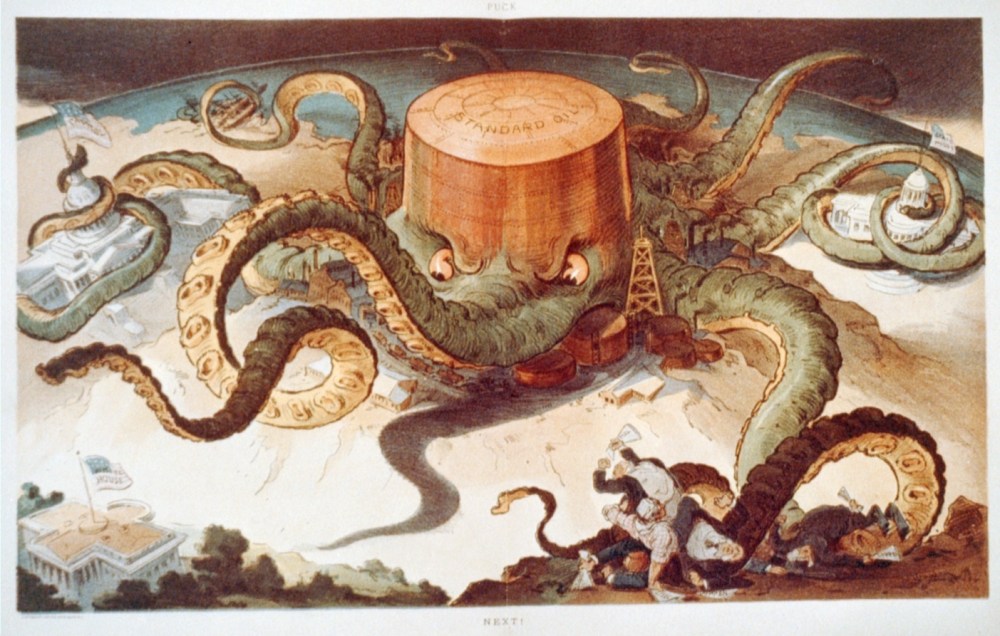
Winning the bidding war does not mean Netflix gets to walk away with the studio. Any final agreement will be dragged through a lengthy review in Washington and likely in Europe as well.
Regulators have been skeptical of large media mergers in recent years, and this one lands at the center of multiple hot button issues: streaming consolidation, labor power, and the health of theatrical exhibition. Lawmakers and state attorneys general have already expressed concern about further concentration of content and distribution under a single tech leaning company.
A group of prominent film producers has reportedly written to Congress under the banner of “concerned feature film producers,” warning that the deal could trigger an “economic and institutional crisis” in Hollywood by giving Netflix outsized leverage as both buyer and distributor. They are urging lawmakers to publicly oppose the merger and push for the strictest possible review.
Netflix, for its part, has tried to frame the acquisition as pro consumer. In talks with Warner Bros. Discovery, the company has pushed the idea that bundling Netflix and HBO Max could lower streaming bills for many households, since a large share of HBO Max subscribers already pay for Netflix. Whether regulators buy that argument is an open question.

What This Could Mean For Viewers
If the deal clears, the day to day impact for viewers will unfold over years, but some broad trends are already visible.
First, another major wave of consolidation would likely hit the streaming lineup. Instead of Netflix and HBO Max battling each other for attention and licensing deals, they would become parts of a single ecosystem. That could mean:
- Fewer high profile Warner Bros. and HBO shows licensed to rival services
- A unified subscription or bundle that combines Netflix and HBO Max content
- A tighter window for theatrical releases before they move to streaming, depending on how Netflix approaches cinema
Netflix has historically treated theaters as a secondary platform, favoring short runs to qualify for awards over long box office plays. Controlling a legacy studio like Warner Bros. could force the company to rethink that stance, especially for heavy hitters like Batman, Dune, or future Harry Potter projects that can still drive huge theatrical turnout.
Second, creative talent may find themselves with one less deep pocketed buyer. Netflix gaining control of HBO and Warner Bros. would remove a key competitor from the market for prestige television and big budget genre films. That is a core fear driving the producer opposition and labor anxieties around the merger.
A Turning Point For The Streaming Wars
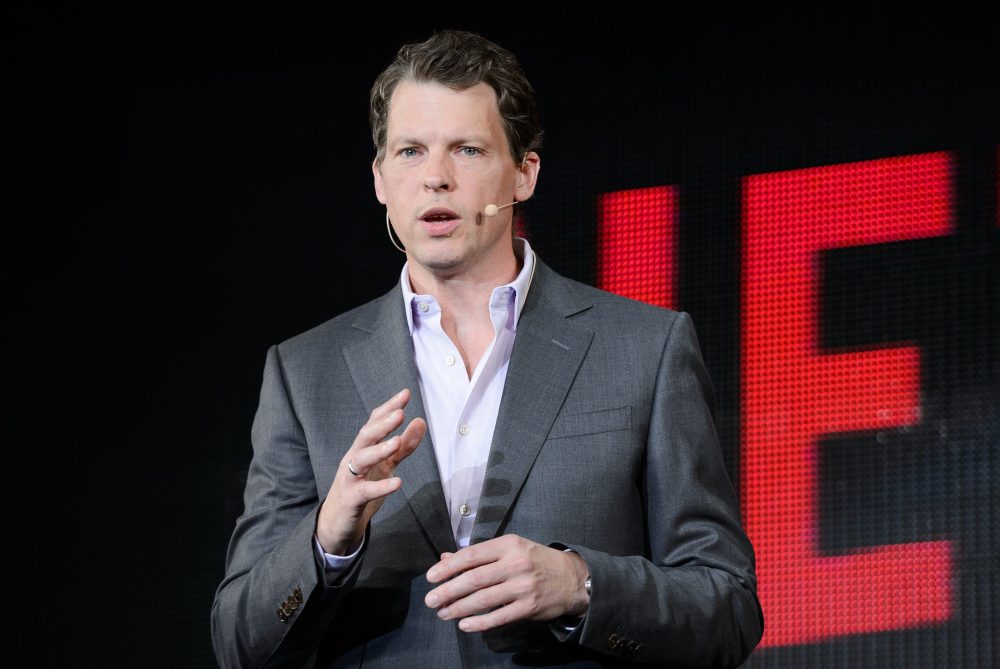
The irony in all of this is that only weeks ago, Netflix co-CEO Greg Peters was publicly skeptical about large media mergers and their track record. Now the company is on the verge of engineering one of the defining deals of the streaming era in order to secure the studio muscle and IP depth it has always lacked.
If Netflix and Warner Bros. Discovery do manage to close, it could reset expectations for every other player. Paramount Skydance and Comcast would be forced to rethink their strategies. Disney would suddenly be facing a Netflix that owns HBO and DC. Every future negotiation over rights, windows, and talent deals would be colored by the fact that one company controls both the leading subscription streaming service and one of Hollywood’s most storied studios.
For now, though, this is still a story about talks, not a signed merger agreement. The next chapter will play out not on a backlot or in a boardroom, but in regulatory filings, public hearings, and a lot of nervous email chains in Hollywood.





 gfpods.com
Leave a comment