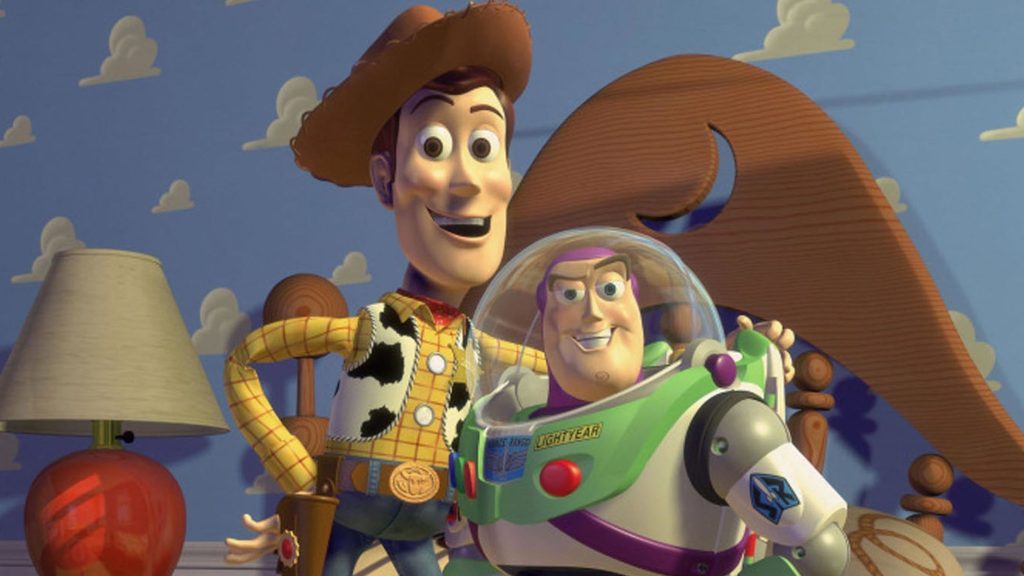
When Toy Story hit theaters in November 1995, it felt like a fun little experiment. A buddy comedy about a cowboy doll and a space ranger, rendered entirely inside a computer. Thirty years later, you can feel its fingerprints on almost every animated movie that reaches the big screen.
Toy Story is not just a nostalgic comfort watch. It is the moment the animation industry took a sharp turn into the digital age, proved that computer animation could carry real emotion, and set the creative tone for an entire generation of storytellers.
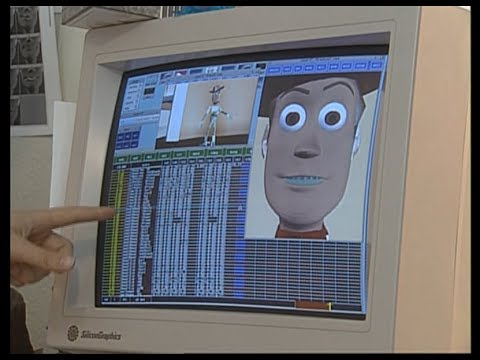
The First Fully Computer Animated Feature
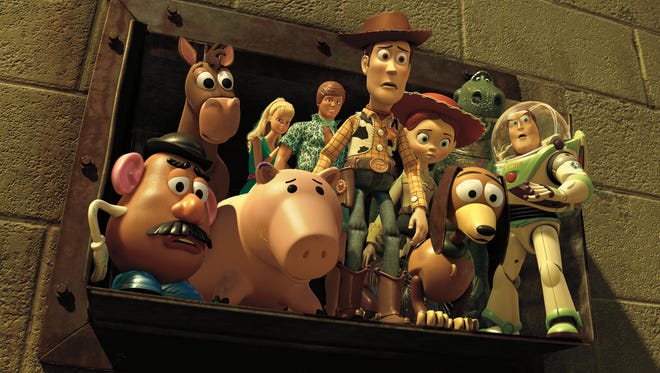
Before Toy Story, CGI was a sideshow. Studios used computer graphics for effects shots, title sequences, or brief moments inside mostly hand-drawn features. Toy Story was the first full-length feature built completely with computer animation, from Andy’s cloud wallpaper to the scuff marks on Woody’s boots.
That alone would have made it historic. But the movie was not a tech demo. Pixar’s team obsessed over how toys should move, how plastic should catch the light, and how to give these characters expressive faces without breaking the illusion that they were made of cloth, vinyl, and hard plastic. The result was a world that felt new but instantly readable, even if most audiences had never seen anything like it.
The success was undeniable. Toy Story became the top-grossing film of 1995 in North America, scored multiple Oscar nominations, and eventually landed in the National Film Registry. For studios, it was proof that audiences would show up for a fully CGI film and treat it like a real movie, not a novelty.
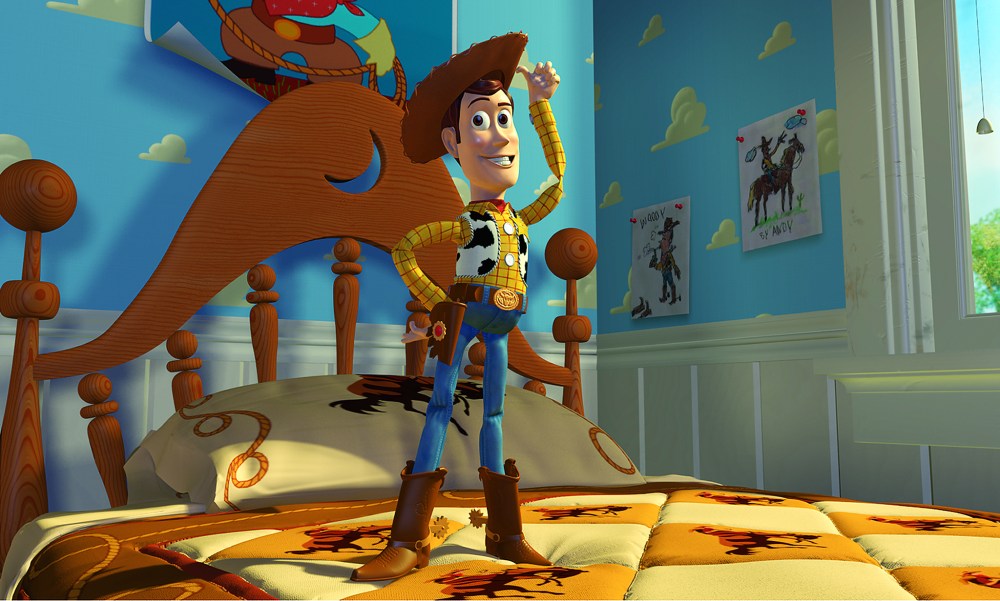
Story First, Technology Second
The secret of Toy Story’s impact is that it never acts like a tech flex. Strip away the pixels and you still have a tight character drama about jealousy, change, and the fear of being left behind.
Woody is not a mascot. He is a deeply flawed lead who makes bad choices, lashes out, and has to earn his redemption. Buzz spends a big chunk of the movie in denial about his own nature. That kind of emotional writing was not new to animation, but pairing it with groundbreaking visuals set a template for modern animated storytelling.
Pixar’s approach became the blueprint: use technology in service of character, not the other way around. That philosophy echoes through later Pixar hits and pushed competitors to raise their game. DreamWorks, Blue Sky, and others followed with their own CG films, but the bar was set. If your movie looked cool but did not make people feel something, it was already behind Woody and Buzz.
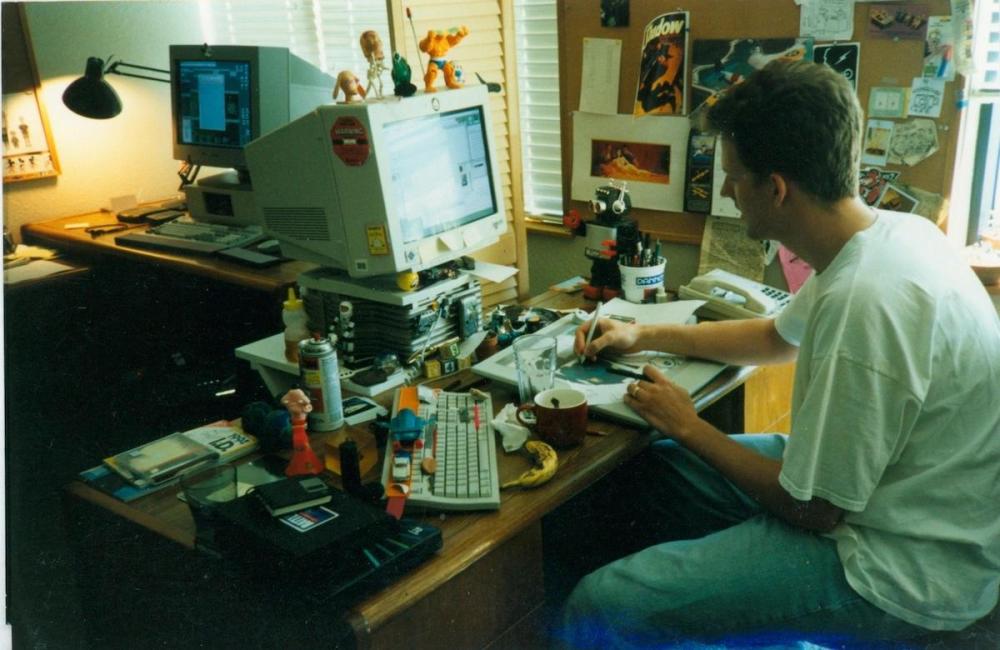
Changing How Animation Is Made
Toy Story also reshaped the pipeline behind the scenes. The film required new tools, new workflows, and new kinds of artists who could bridge traditional animation principles with computer science.
Many of the techniques that are standard today were refined on Toy Story: digital storyboards that roughly mimic the final camera moves, detailed character rigs that allow for subtle acting choices, and lighting that gives CG worlds texture and mood instead of that early “plastic” look.
Other studios watched closely. As technology improved and costs dropped, hand-drawn features lost their dominance. Within a decade, most major American animated films were CG. That shift is not only about fashion or studio preference. Toy Story proved that computer animation could be warm, funny, and emotionally rich, which made executives comfortable betting heavily on it.
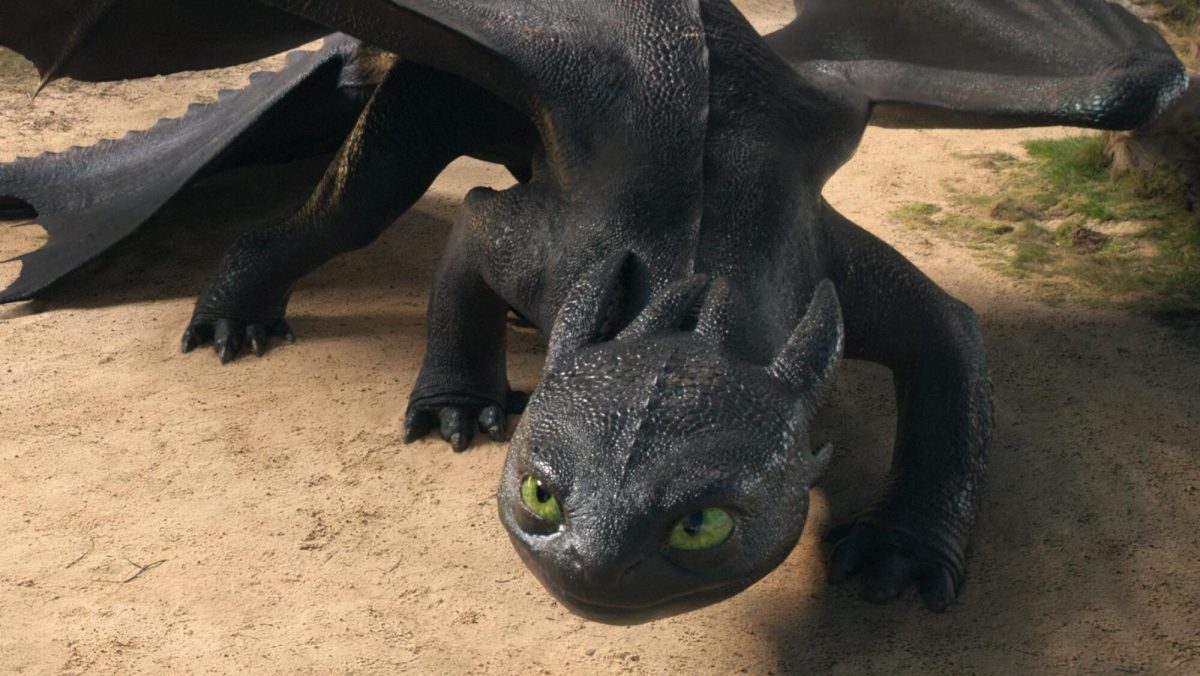
You can trace a direct line from Andy’s bedroom to the lush worlds of movies like Shrek, Ice Age, How to Train Your Dragon, and beyond. Each of those productions stands on the foundation Toy Story helped build.
A New Era Of Franchise Storytelling
Toy Story also changed expectations for what an animated film could be in terms of longevity. The original film spawned sequels that did more than repeat the first movie’s beats. Toy Story 2, 3, and 4 each explored new phases of growing up, letting Woody, Buzz, and the rest of the gang age along with their audience.
This long-term storytelling model influenced the way studios think about animated franchises. Instead of treating each film as a reset, Pixar showed that you could let characters evolve over decades while still welcoming new fans. The fact that Toy Story 5 is on the way nearly three decades later says everything about how durable this world has become.
Why Toy Story Still Matters In 2025
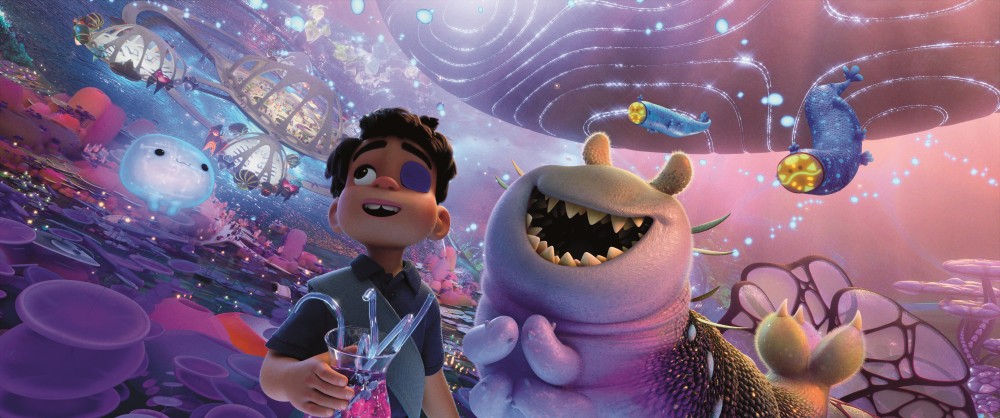
Today, audiences are used to CG animation that looks almost photo-real. Hair systems simulate every strand of fur, lighting engines recreate real-world physics, and cameras roam through digital sets with zero limitations. In that environment, Toy Story might look simple at first glance.
Yet it still plays. The faces are a little less detailed and the textures are not as complex, but the timing, composition, and heart of the story are as sharp as ever. That is the real legacy of Toy Story: it proved that technical innovation has staying power only when it is wrapped around characters people care about.
Every time a new animated film tries to balance cutting edge visuals with emotional storytelling, it is chasing the same magic that Woody and Buzz found back in 1995. Thirty years later, Toy Story is not just an important milestone for animation. It is the moment the medium realized how far it could go.





 gfpods.com
Leave a comment