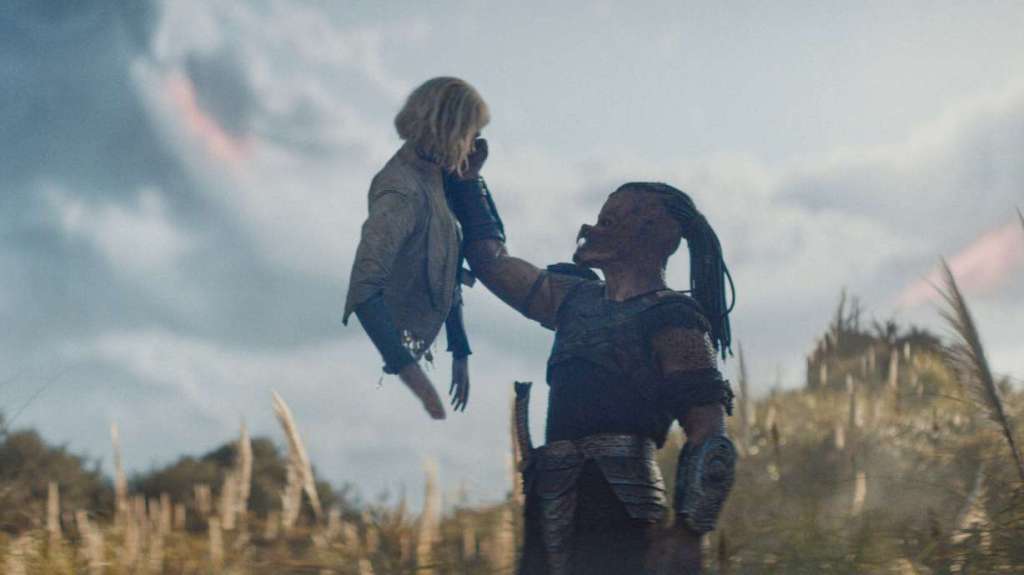
Predator: Badlands works because it thinks small. Instead of building a giant mythology wall, it gives you just enough lore to understand why these characters move the way they do, then lets the chase carry the film. That focus keeps the story lean, the stakes clear, and the pace sharp across a tight 1 hour 47 minute runtime. It’s the kind of confidence the series needed.
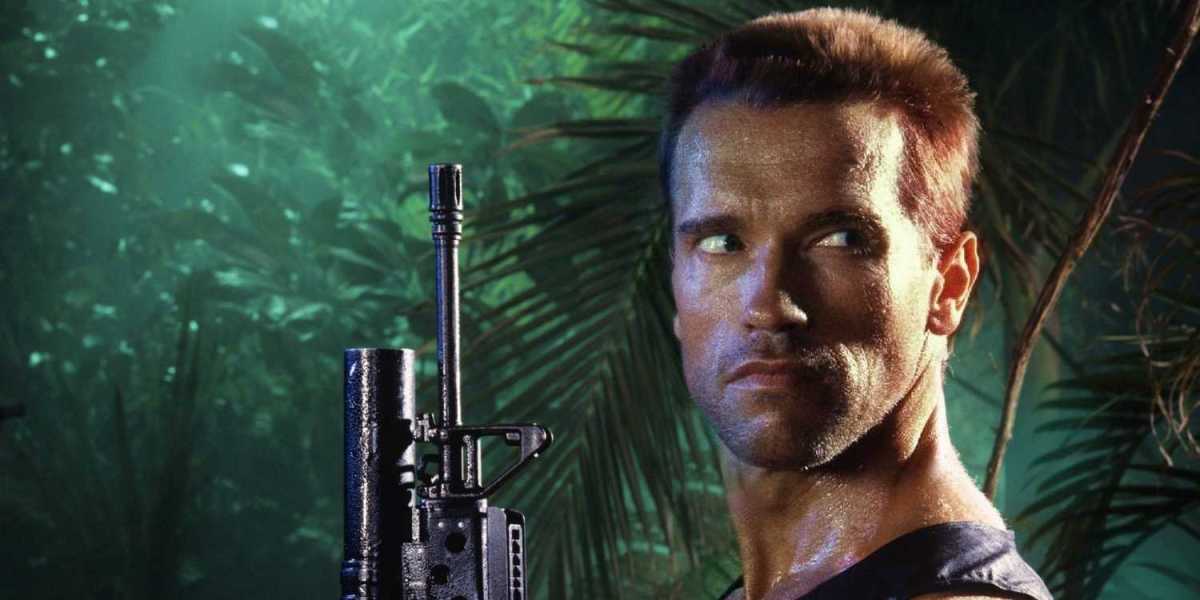
What feels new in a decades-old franchise is the point of view. The movie centers a young outcast Predator, Dek, who’s desperate to prove himself, and pairs him with a Weyland-Yutani synthetic named Thia. Their uneasy alliance is the film’s engine. You still get the franchise’s hunter-prey tension, but now it comes with a character arc that actually earns your investment. The choice to push the timeline forward and set this on a hostile alien world gives the series room to breathe.
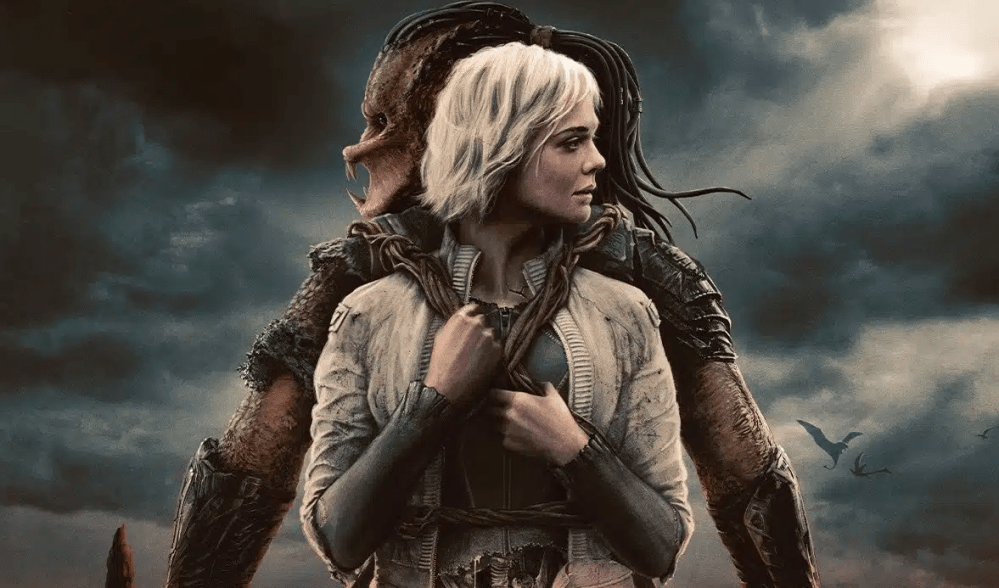
Elle Fanning steals the show with a dual performance that’s both playful and eerie. As Thia, she’s a disarming presence who sells “almost human” with precise physical choices. As Tessa, the colder counterpart, she brings a different cadence and threat profile. The two roles feel wholly distinct, and the film has fun letting them bounce off each other without turning it into a gimmick. Interviews around release make clear how much work went into those physical beats, from odd joint work to specific eye focus, and the cast has openly talked about how tricky it was to stage scenes where Fanning essentially plays against herself.
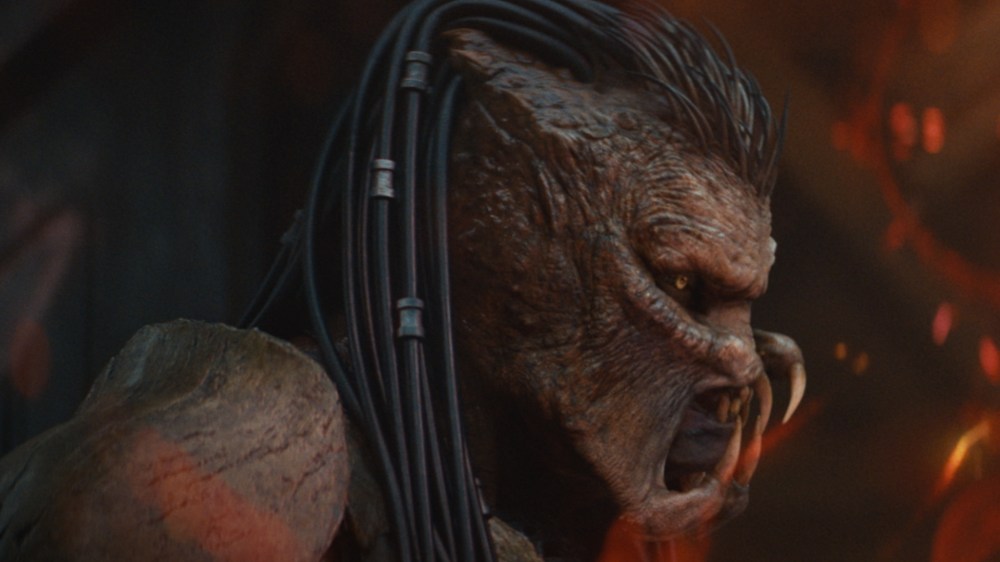
The world-building is the quiet star. Genna isn’t just another jungle palette swap. The movie lays out creatures, hazards, and a brutal food chain that feel like rules you can learn, not random set dressing. There’s also a fully developed Yautja language on screen, which the actors learned and use in-scene, and that choice pays off. It makes the culture feel lived-in instead of a handful of snarls and clicks. For me, that sense of discovery scratched the same itch as watching early Star Trek as a kid. I left wanting to wander this place, poke at its wildlife, and figure out what else eats what.
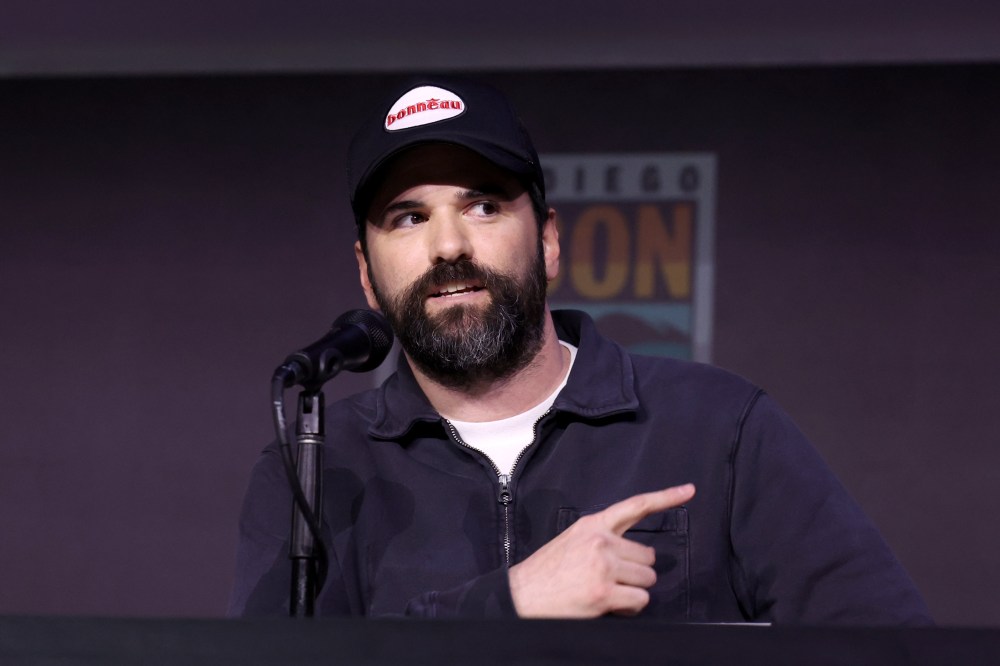
Craft wise, Dan Trachtenberg and the team strike a solid blend of practical and digital. Suit acting and prosthetics sell weight; CG fills the gaps without smudging the frame. New Zealand locations help sell the alien terrain, and the sound work on the Predator gear and creature ecosystem gives action beats a tactile rhythm. The fights are readable, the kills creative, and the camera stays just long enough to savor the build before the snap.
If there’s a wobble, it’s in how a few emotional beats are telegraphed. A couple of Dek’s family flashpoints play big when they might have landed harder with less explanation. And the film occasionally races past its own best imagery in the sprint to the next set piece. But those are blips in an otherwise cohesive package.
Big picture, Badlands feels genuinely fresh for Predator. Keeping the story tight, trusting character intent over exposition, and letting Fanning split the difference between heart and menace gives the movie a pulse beyond body-count math. It isn’t trying to rewrite the franchise. It’s trying to make a sharp survival story inside it. That clarity makes all the difference.





 gfpods.com
Leave a comment