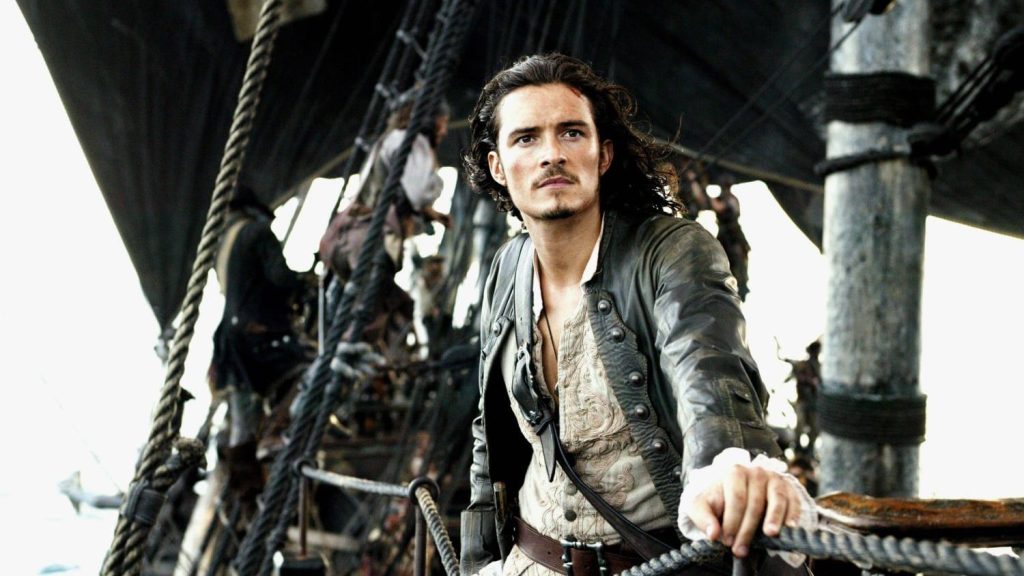
The great trick of Pirates of the Caribbean: The Curse of the Black Pearl is that its most reliable gear is not the swaggering pirate who steals every scene. It is Will Turner. Call him straight, earnest, or even boring. That steadiness is the film’s load-bearing beam. It carries tone, stakes, and audience investment while the wilder elements do their dance.
On Challenge Accepted we talked about how Will’s composure unlocks the full power of Jack Sparrow’s chaos. That was not a backhanded compliment. It was the point. Will functions as a classic straight-man protagonist. He is the moral center, the clear point of view, and the one character whose choices must make sense when the moonlight turns men into skeletons. The more grounded Will remains, the more permission the movie has to get weird. When he takes the supernatural seriously, we do too. When he cares about Elizabeth, we feel that care as the floor beneath the swordplay and jokes.
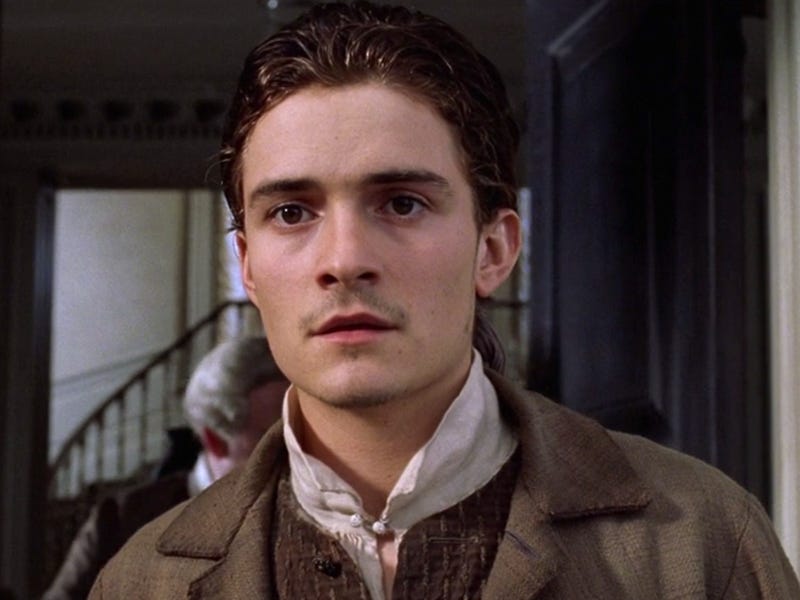
Watch how the film frames him. In the opening, young Will is introduced through rescue and vulnerability rather than bravado. As a grown man, he is polite to authority, devoted to his craft, and awkward around the governor’s daughter. That baseline is not colorless. It is contrast. The blacksmith duel with Jack works because Will fights by rules, counting steps and insisting on fairness. Jack cheats. We laugh and lean in because Will’s principles give the scene a spine. The same pattern holds through Tortuga, Isla de Muerta, and the final gallows standoff. Will’s restraint lets the movie modulate tone without losing credibility. When he finally breaks rules for love and loyalty, the shift lands as growth rather than a gag.
This is a durable storytelling pattern. Put a steady protagonist at the center, then build around that character with bigger flavors. The straight hero is not there to bore. They anchor rhythm. They carry the burden of coherence so the story can safely take swings. The more outrageous your foil, the more you need that anchor.

Star Wars: A New Hope is the textbook example. Luke Skywalker is a sincere farm boy with a simple goal and a clear moral compass. Han Solo is a swaggering rogue. Without Luke, Han’s cynicism curdles. With Luke, Han becomes charming, funny, and unpredictable in a way that never erodes the narrative. Luke’s sincerity invites the audience to invest in the stakes of the rebellion, then Han gets to bounce off that sincerity and steal applause without stealing the movie. The interplay gives the film its pulse. Luke grows from naive to courageous. Han learns to care. Each arc is readable because the story keeps one boot planted on Luke’s clean line of intention.
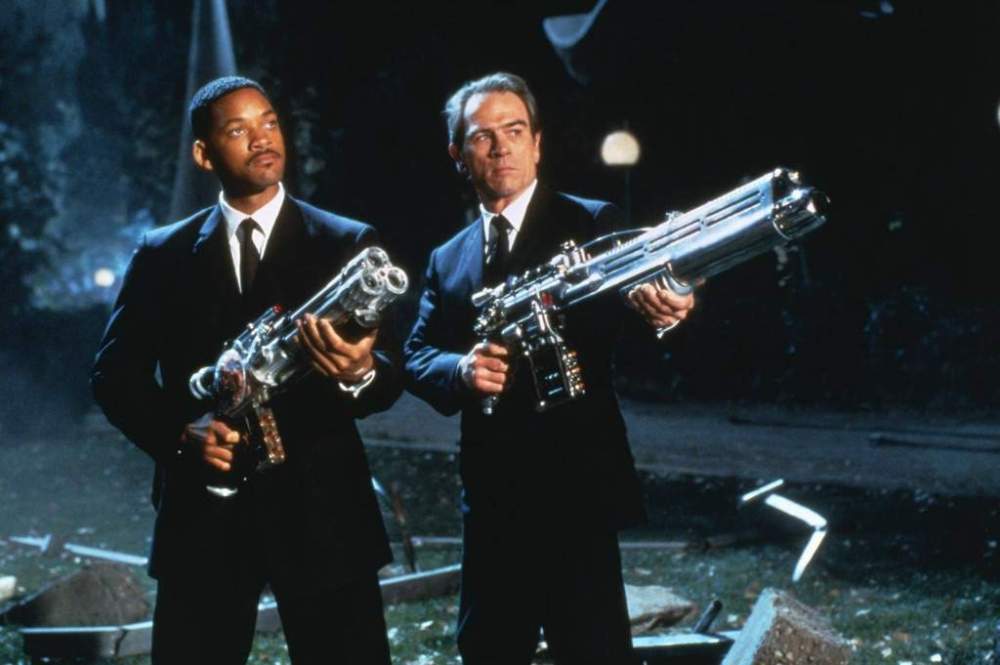
Men in Black flips the posture but keeps the principle. Agent J is the mouthy comet streaking across the frame, but the movie’s reality is held together by Agent K’s stone-faced calm. K is the straight man whose total composure sells the absurd premise. He explains the rules without winking. He stares down a cephalopod birth on a turnpike and treats it like a traffic stop. Because K refuses to break the scene’s reality, J is free to react big and pull the laughs. The audience laughs with J, never at the movie. That is the value of a straight anchor.
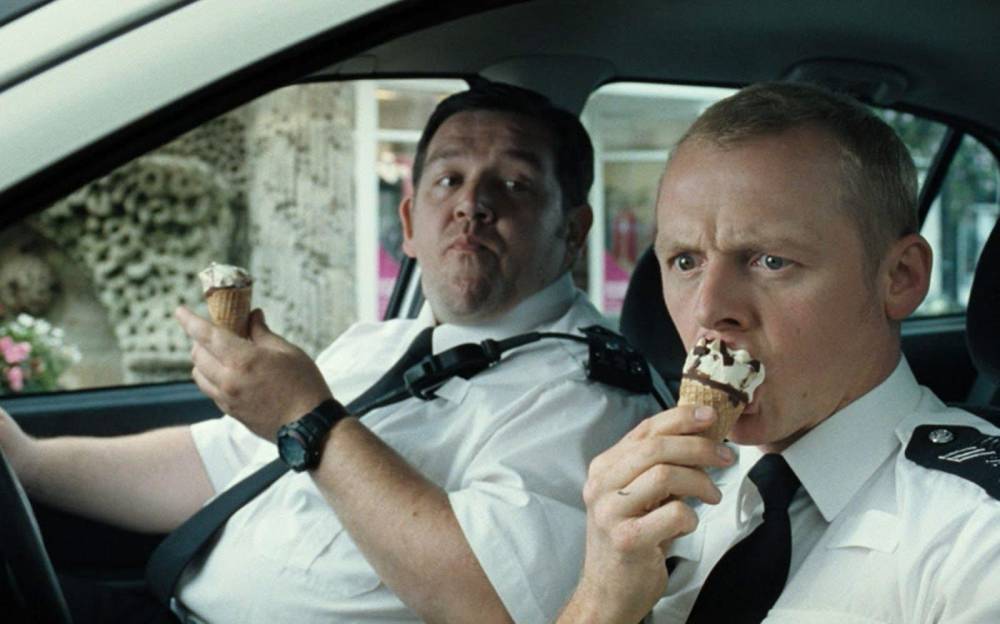
Hot Fuzz offers a variation where the straight character is also the protagonist and the foil is the sidekick. Nicholas Angel is rigid, humorless, and exceptional at his job. He plays the scenes arrow-straight while the village spirals into madness around him. Danny Butterman provides warmth and silliness, but it is Angel’s seriousness that lets the film jump from small-town comedy to operatic action without feeling flimsy. When Angel loosens up, the change reads as earned. The final siege works because we have spent two acts living in the world according to Angel’s rules.
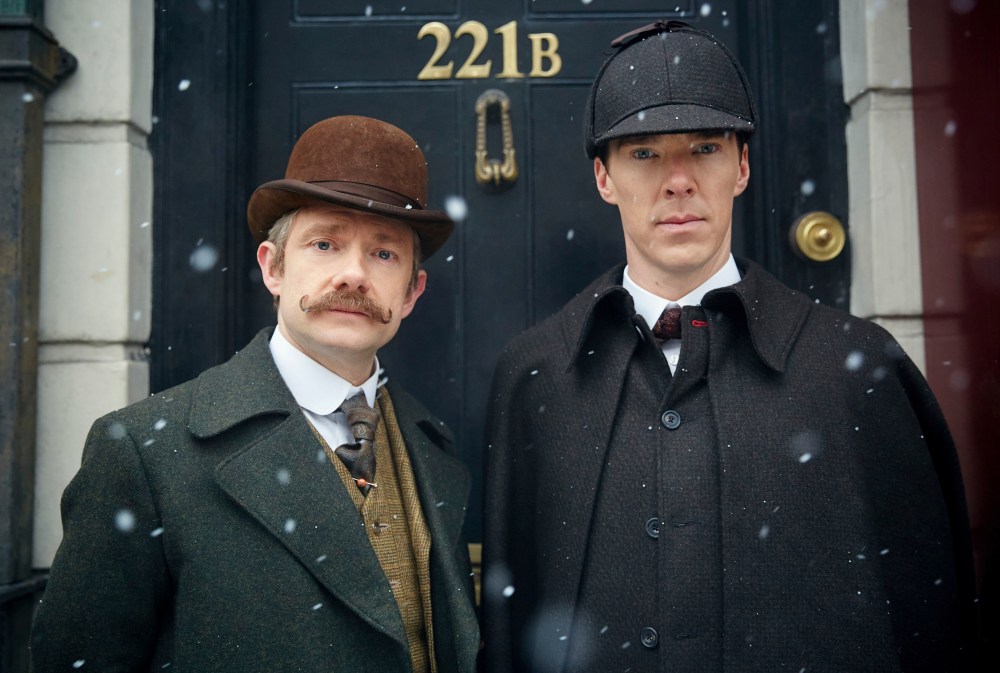
Sherlock Holmes has lasted for more than a century because the stories never forget to seat Dr. Watson beside the genius. Watson is the audience’s bridge. He is capable and decent. He asks sane questions, frames facts, and records outcomes. Without him, Holmes risks becoming a collection of quirks and deductions in search of a beating heart. With him, Holmes becomes a legend we can actually follow.
Back to Will Turner. The film prizes him not for fireworks but for function. He is the one who looks beyond the hat and eyeliner and asks what is right. He stands at the hinge between law and piracy, between order and freedom. His skill with a blade is impressive, but his most important quality is that he treats a world of cursed treasure and rum-soaked pirates as a place where promises still matter. When he bargains for Jack’s ship, when he trades himself for Elizabeth’s safety, when he chooses to free a condemned man because it is right, he is not being bland. He is setting the story’s ethical current, and that current carries every character to better scenes.
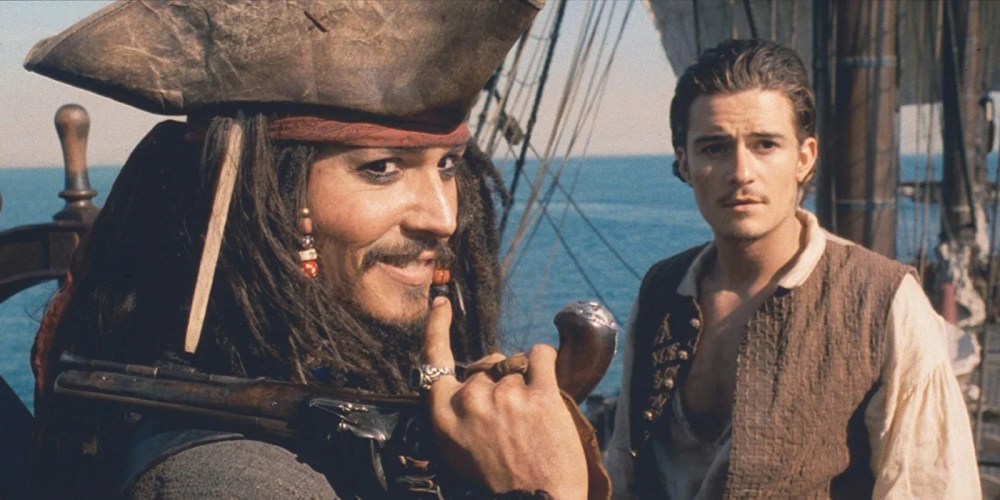
Notice how this protects Jack. If Jack were the moral center, his mischief would feel irresponsible. If Jack were the plot engine, his improvisations would feel like cheats. Because Will is both conscience and engine, Jack gets to be possibility. He can try a ridiculous plan, fail by inches, and still float because Will’s decisions keep the ship on course. That is why the third act sings. Will finally breaks a rule for love, Elizabeth claims her voice, and Jack gets to be Jack, but with a burst of heroism that does not betray his character. The balance lands because the straight man bent at the right moment.
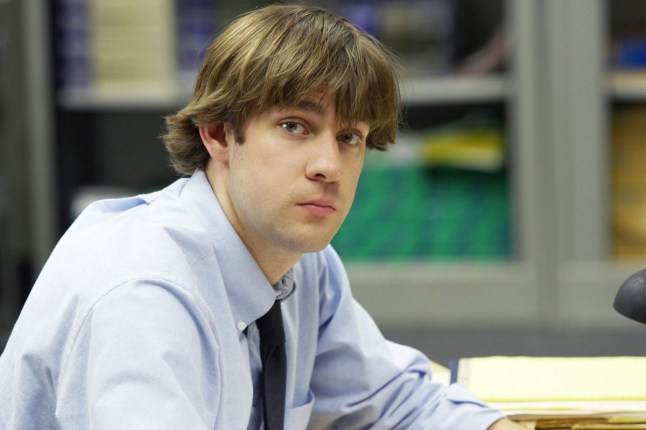
This model also scales to ensembles. The Office thrives because Jim Halpert holds an emotional baseline while Michael Scott storms through every boundary of taste and self-awareness. Jim watches, comments, and occasionally risks his own comfort for something true. His steadiness lets the cringe comedy play without collapsing into cruelty. In Ghostbusters, Venkman is the big personality, but it is Egon and Ray who bind the science and stakes. They take the ghosts seriously. They hold the mythology up so Venkman’s sarcasm has something to bounce off.
Writers sometimes worry that a straight protagonist will feel thin. The fix is not to give them louder jokes. The fix is to give them clear values, real competence, and real costs. Let them want something simple and human. Let them be excellent at something that matters. Then force them to risk that excellence to protect what they love. Will Turner is a blacksmith who forges his own sword and, by the end, forges his own code. He goes from obedience to self-authored honor. He does not become Jack. He becomes Will, but truer. That is character.
If you are building a story with a charismatic wild card, start by building the Will. Decide what the audience should believe about the world. Decide what the cost of victory will be. Give that character the eyes we will use to judge what happens. Then unleash your comet and let the sparks fly. On Challenge Accepted we called Will “boring” with a smile because we recognized how much his restraint is doing. He is the ballast that keeps Pirates of the Caribbean upright while the wind howls through the sails.
The lesson travels well. Audiences love color, but they attach to courage. They love wit, but they remember integrity. The reason Jack Sparrow stands tall after all these years is not only the performance’s brilliance. It is the quiet presence beside him who makes everything feel like it matters. Replace that straight man with a second clown and the circus blows away. Keep him, and the tent holds, the music swells, and the show becomes a story.






 gfpods.com
Leave a comment