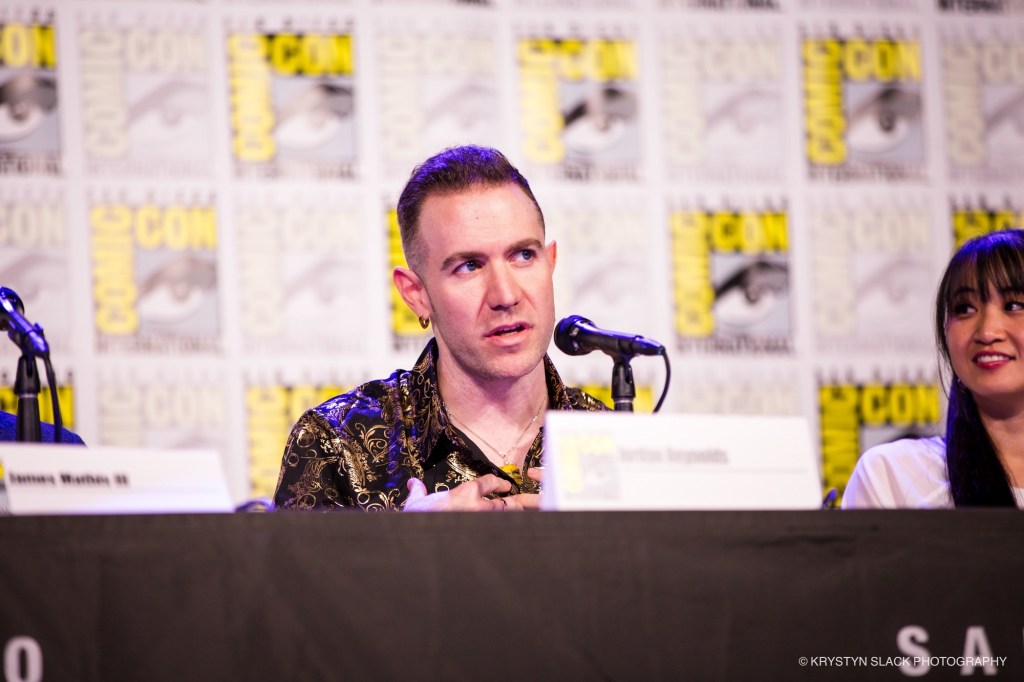
Jordan Reynolds has one of those voices you’ve heard even if you don’t know it by name. He’s been in games, trailers, films, and TV, but right now the spotlight is on Marvel Rivals, where he plays Adam Warlock. In our conversation, Jordan broke down how the role came together, why Adam’s voice needs to feel like an anchor, how directing and game design shape performance, and what new voice actors should actually focus on if they want to pay their bills in this industry.
Landing Adam Warlock: “Submit it and forget it”
Jordan got the audition through his LA agent like most of his game work. It came bundled with several characters, and he read for a few, including Mr. Fantastic. Standard stuff for working VO talent: you audition a lot, you hear back rarely, and you keep moving.
He tries not to overthink it after he hits send. As he put it, the healthiest mindset is “submit it and forget it.” You can’t cling to every audition. That desperation leaks into your reads and, over time, burns you out.
When Adam clicked, it was because a version of the character art and notes pointed him toward a very specific lane. This Adam is serious, hopeful, and reliable. Not jokey like Star-Lord. Not frantic like a DPS hero. The voice needed to sit in control and stay there.
Building Adam’s sound: stable, warm, and functional
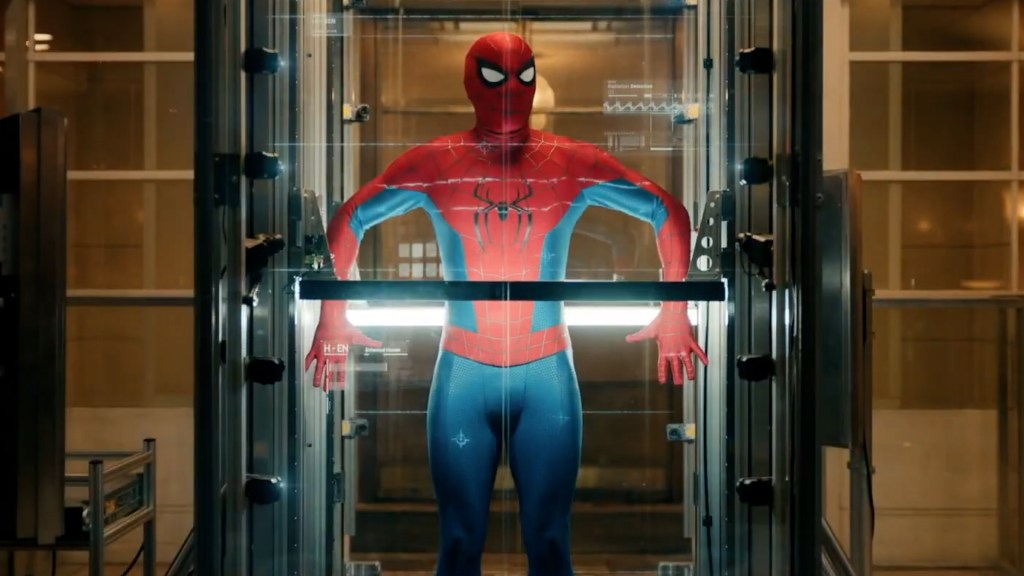
Adam Warlock in Rivals is a support who changes the math of a fight. Jordan leaned into that. He kept the baseline calm, added warmth to the slower lines, and saved the bigger spikes for moments that matter. You can hear that pacing in the pre-match banter, the short in-match “barks,” and the ult callout “Born Again.”
The guiding idea: Adam is the constant when everything else goes haywire. If your healer is flailing, you panic. If your healer is steady, you breathe.
Game design shapes the read
A good VO performance in a competitive game has to do more than sound cool. It has to function. The player needs to parse meaning fast. That’s where direction and context matter.
Sessions for Rivals happened solo, not ensemble. Lines are recorded against silence, so clarity and intention have to be baked into each delivery. Voice director Michael Cirk and the Bright Skull team gave the cast the situational detail they needed: this line fires mid-fight, make it quicker and louder; that line is lobby banter, take your time and connect. Jordan compared it to music: if everyone performed at a “10” all the time, nothing would cut through. You need contrast.
Why “Born Again” hits different
Jordan talked about the difference between yelling a phrase and making players feel it. “Born Again” can’t just be a volume knob. It has to carry the charge that makes teammates think they’ve got one more push in them and enemies think “stop him now.” That emotional intent is what triggers the reflex you see in match clips and con panels, where players react to ult lines like muscle memory.
From Colorado IT to the Warner Bros lot
Jordan didn’t start in character work. He built a full-time VO career outside LA doing commercials, training videos, phones systems, and anything that kept the lights on. He was working IT by day, recording by night, stacking reps and clients online.
He and his wife, voice actor Mara, signed with their dream LA agents in 2016 and moved soon after. His first in-studio gig in the city was a single line as a computer voice in the 2017 film Geostorm at Warner Bros. It was one line, but it was the kind of moment that marks a turning point. He even met veteran VO star Crispin Freeman in the lobby and later appeared on Freeman’s podcast, a full-circle nod to the years Jordan had spent listening and learning.
Convention life and the value of showing up
Voice work can be isolating. You record alone. You turn in files. You move on. Conventions, panels, and community events change that. Jordan said meeting fans and other actors this year has been grounding. It’s the antidote to working in a vacuum, a reminder that a two-hour session can ripple through thousands of players.
On AI: curiosity with clear lines
Jordan doesn’t think every use of AI should be torched on sight. He sees it as a possible brainstorming tool in visual and audio workflows, with a big asterisk: consent and compensation. Voice cloning without permission is a hard no. He’s already seen AI versions of his lines pop up in edits. They sound flat, and more importantly, they sidestep an actor’s rights. The future will require guardrails that keep people at the center of the craft.
Advice for new voice actors
Jordan’s guidance is practical and, frankly, what most beginners need to hear.
- Treat voice acting as acting. Train. Take improv. Learn to communicate attitude and relationship, not just a sound.
- Diversify. If you want to make a living, don’t limit yourself to games and anime. Commercials, narration, audiobooks, and corporate work keep the income steady while you chase character gigs.
- Build a reliable home chain. Bad audio can kneecap a good read. Your gear and space should never be the reason you don’t book.
- Ask smart questions in sessions. You often won’t see scripts in advance. Get the context you need, then move fast.
- Don’t obsess over impressions. They’re fun and they teach control, but most jobs want your authentic take. Performance beats mimicry.
- Keep perspective on auditions. Submit it and forget it. Control what you can control: preparation, clarity, and consistency.
Why his approach works
Jordan mixes craft and empathy. He understands what a hero like Adam Warlock represents in a match and what a player needs to hear in that split second. He respects the technical side—timing, projection, diction—but never lets it drown the emotional intent. That balance is why his callouts land, why the banter feels human, and why he’s built a career that’s bigger than any one role.






 gfpods.com
Leave a comment