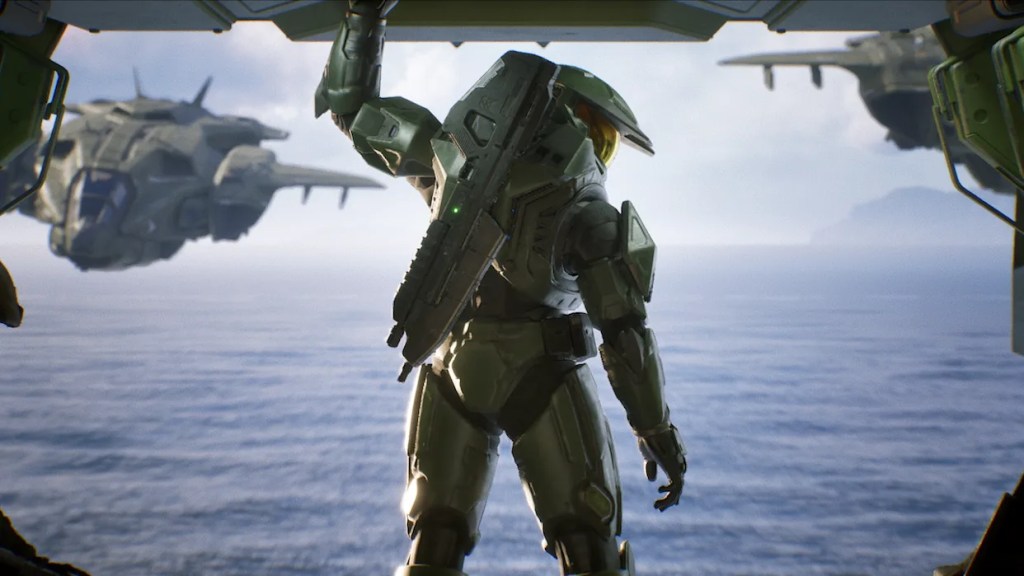
If you grew up arguing Genesis vs Super Nintendo, or Xbox vs PlayStation, you know the console wars were part hobby, part identity, and very much marketing. The thing is, great marketing works. It turns technical specs into stories and turns hardware into jerseys. But the story has been changing for years. With Halo joining PlayStation in 2026, it finally feels like the old war is over.
How We Got Here
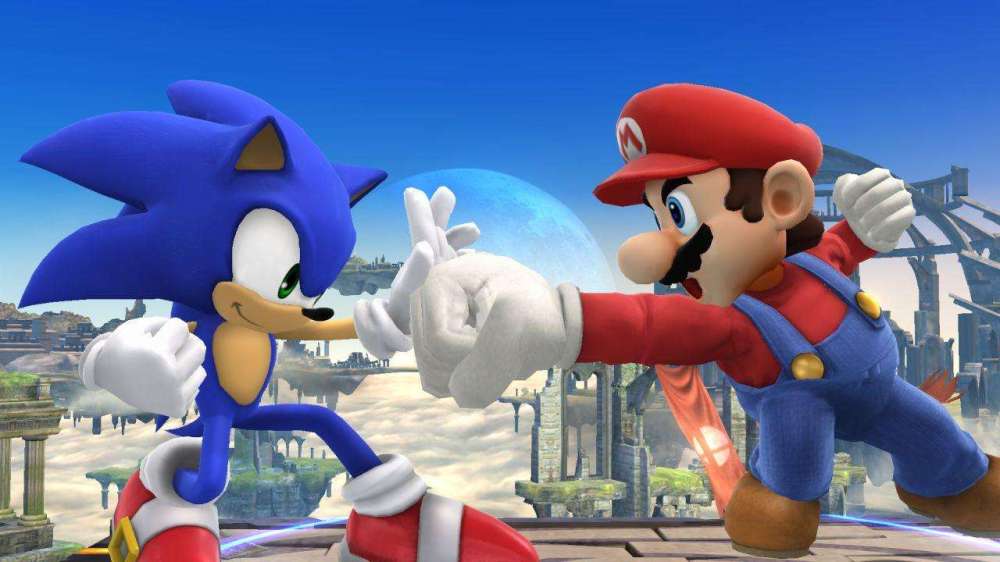
The template for the console wars was set in the early 90s. Sega and Nintendo fought for living rooms with sharp ads, louder mascots, and a steady drip of exclusives. That competition made games better and forced both companies to take big creative swings. Then Sony arrived with PlayStation, cracked the door open for more mature games, and ran away with the PS2 era. Microsoft jumped in with the original Xbox and Halo, which gave the new console an instant identity and a killer app.
The first big crack in the idea of hardware tribes came in 2001 when Sega stepped out of the console race. The Dreamcast was done and Sega went third party. That moment did not end the debates, but it showed fans that your favorite series could live on without a box to defend. The war became less about brand survival and more about bragging rights.
The Walls Started To Lower
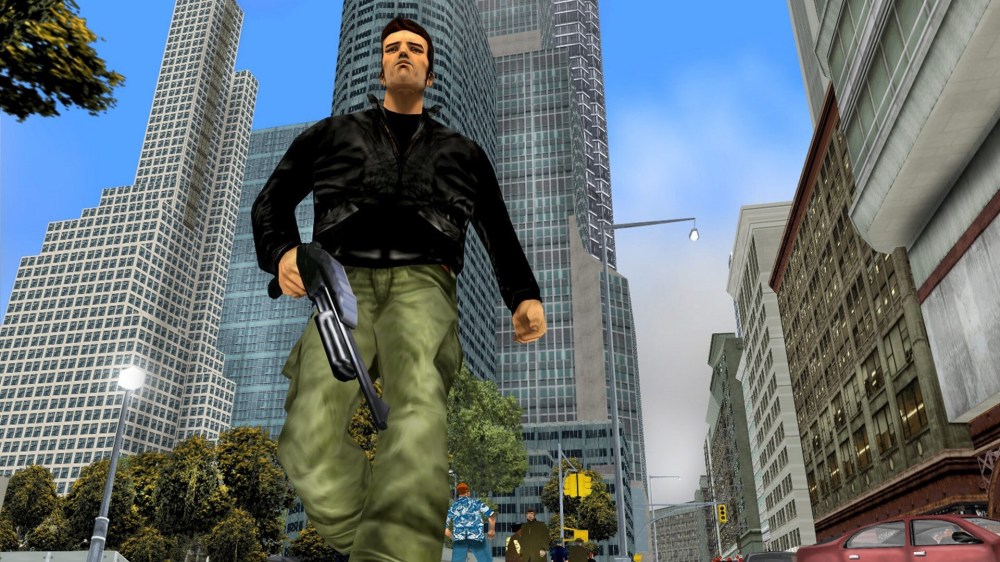
Third party games quietly softened a lot of hard lines. Grand Theft Auto moving to Xbox in 2003 was a tone shift. GTA had been a PlayStation kingmaker. Seeing GTA III and Vice City land together on Microsoft’s machine told everyone that money, reach, and timing could matter more than tradition.
That lesson doubled at E3 2008 when Final Fantasy XIII was announced for Xbox 360. For years, mainline Final Fantasy felt welded to PlayStation. The news that a core entry would ship on a rival console said out loud what publishers had been whispering for years. If your audience is everywhere, your game should be too.
Meanwhile, Xbox 360 and PS3 locked into a long competitive groove where most big releases showed up on both. There were still platform exclusives and playful digs, but the software overlap grew. Fans kept score, but the catalogs looked more alike every year.
Cross Play And PC Ports Changed Expectations
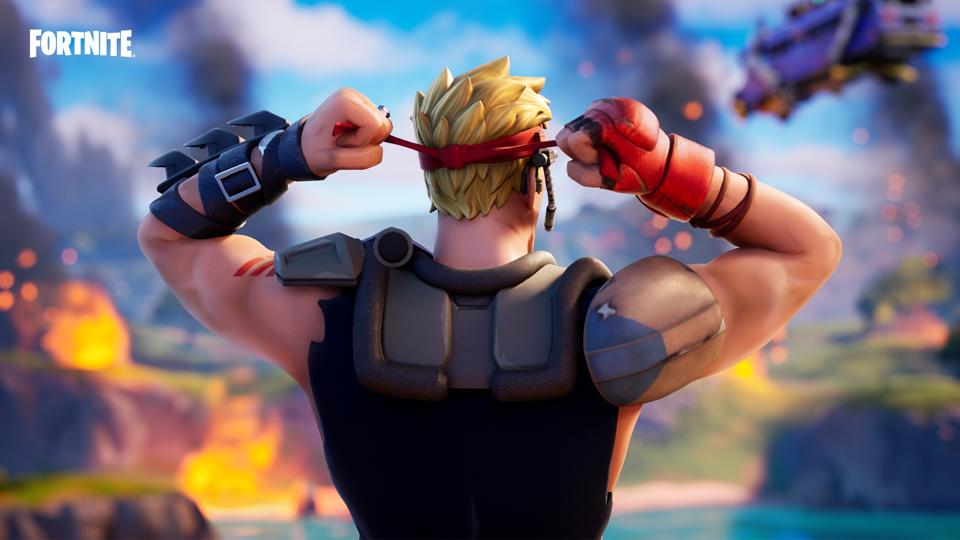
The next big shift was cultural. In 2018, Sony opened up cross play with Fortnite. That change wasn’t about a single game. It was about people wanting to play together no matter what box they owned. Once millions experienced that freedom, it got harder to defend old fences.
At the same time, Sony began bringing some of its crown jewels to PC. Horizon Zero Dawn, then God of War, then more. These were not day one moves, but they trained players to expect that first party hits would not be locked forever. It also reframed the value of an exclusive. If a game arrives on PC later, the console pitch becomes best place to play right now, not only place to play ever.
Microsoft pushed the same direction from the other side. Game Pass emphasized libraries over boxes. Cloud trials chipped at the idea that a plastic rectangle is the only way in. And in 2024, Xbox sent Sea of Thieves, Pentiment, Grounded, and Hi Fi Rush to rival platforms. It felt less like surrender and more like portfolio math. If your games can sell to more people, why leave that money on the table.

MLB The Show And Other “That Would Never Happen” Moments
The single clearest example of the old rules fading came in 2021. MLB The Show, developed by Sony’s San Diego studio, launched on Xbox. Not only did it appear on a competitor’s console, it hit Xbox Game Pass at launch. For a lot of fans, that was the day the scoreboard blew a fuse. If a PlayStation Studios game could be part of an Xbox subscription, what exactly were we fighting about anymore.
By then, the truth was obvious. The war had always been a story about keeping score. The business had moved on to counting users, hours, and multiple revenue streams. That does not erase the fun of debating controllers, UIs, or which campaign hit harder. It just means the market was already living in a post war reality while fans were still joking about brand loyalty.
Halo On PS5 Is Symbol And Signal
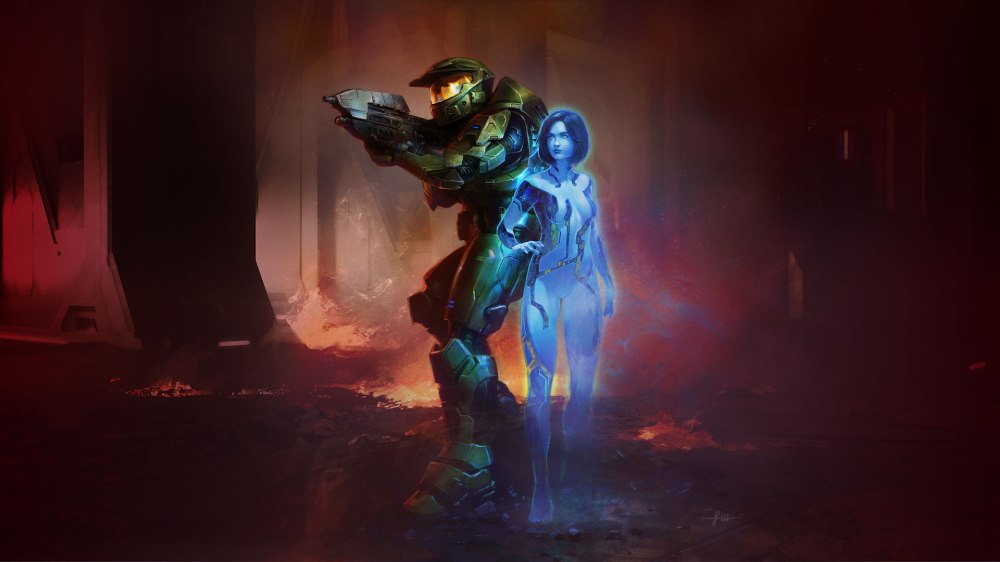
Halo arriving on PlayStation in 2026 hits different because of what Halo represents. Halo is not just a shooter. It is the franchise that helped define Xbox, sell Xbox Live, and set the tone for online console gaming. If any series was too tied to a box to cross the aisle, it was Halo. And yet here we are.
The details matter. This is not a bare bones port. The remake is being pitched as a modern reimagining of the original campaign, with visual upgrades, new missions, four player online co op, and cross progression. Day one on Game Pass for Xbox and PC, available on PS5 for the first time. The pitch is to the widest possible audience and it treats platforms like doorways, not battlements.
It is also not happening in a vacuum. Xbox leadership has been candid that exclusivity has limits. Earlier this generation, you started to see more Xbox first party games stretch to other platforms. On the PlayStation side, PC releases have gone from rare exception to steady cadence. The Halo move lands after years of groundwork that normalized crossing streams. It just does it with the most loaded symbol Microsoft has.
So Was The Console War Real
Yes and no. It was real in the sense that competition shaped the medium. Sega’s swagger forced Nintendo to get faster. PlayStation pushed content boundaries and changed how games looked and sounded. Xbox shipped online features that became standard. Without healthy rivalry, we would have fewer risks and fewer breakthroughs.
It was also a marketing tactic. The language of battle gave fans a short hand to talk about specs and exclusives. Ads did the rest. Slogans lived rent free in our heads. Magazines and forums turned comparison into sport. Companies benefited from that narrative. So did we, because the debate itself was fun. Choosing a side gave your hobby a social layer. It turned a purchase into a personality for a while.
But the market never cared about our jerseys. Publishers cared about addressable audience. Platform holders cared about recurring revenue. Once cross play proved that friends could stay friends across systems, the consumer friction that powered the war narrative started to break down. Once first party games showed up on PC, that narrative got even harder to sustain. Halo on PS5 feels like the ceremonial last shot because it takes the old talking points and gently retires them.
What Comes Next
The new game is services, ecosystems, and reach. That does not mean hardware stops mattering. Controllers, load times, social features, and subscriptions still shape where we play. Exclusives will still exist, especially around new IP, timed deals, and brand identity. Nintendo will keep being Nintendo. But the big green vs big blue grudge match that defined so much of the 2000s and 2010s is winding down.
For fans, that is good news. More players can experience more series. Studios can stabilize revenue by selling wider. Healthy competition can move up a layer to who offers the best value, the best online features, the best PC ports, or the smartest cross progression. We can still argue about all of that. We just do not need to pretend the other box is the enemy.
Halo joining PlayStation does not erase history. It honors it. The series that once planted a flag for a brand is now planting one for access. That is a fitting end to the old war and a fitting start to something more interesting. Less trench digging. More playing together.








 gfpods.com
Leave a comment