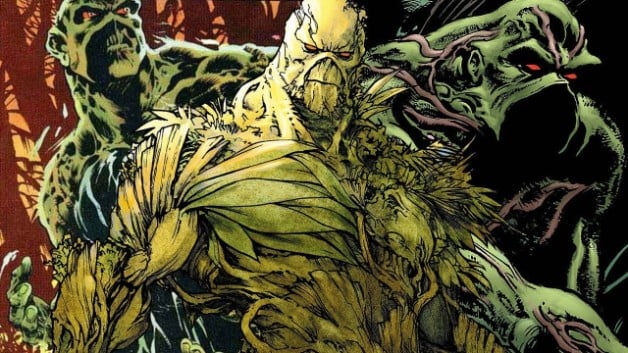
We just talked about this on the latest episode of Distance Nerding, and it bears repeating here. If the DCU wants a genuine horror pillar, Swamp Thing is the character that can carry it. He comes with a built-in mythos, a tone that plays darker than most superhero fare, and a catalog of stories that lean into fear, mortality, and the cruel beauty of nature. Done right, he gives the DCU a lane it does not currently own.
Why Swamp Thing Fits The DCU Now
The new DCU is built to support different genres under one roof. Horror is the obvious missing piece, and Swamp Thing is horror at the roots. He is not a quippy hero in green face paint. He is a tragic avatar of nature who wrestles with identity, love, and the cost of power. That opens doors for body horror, eco-horror, and slow-burn southern gothic storytelling, all while keeping the door cracked for future crossovers.
A strong Swamp Thing project helps the larger universe in three ways. First, it broadens tone. Horror lives next to cosmic adventure without stepping on it. Second, it expands the magic corner. Swamp Thing naturally connects to Constantine, Zatanna, Deadman, and the Justice League Dark. Third, it creates a prestige path. A carefully scoped, atmospheric horror piece stands out in a crowded calendar and does not need a skyscraper-toppling finale to land.
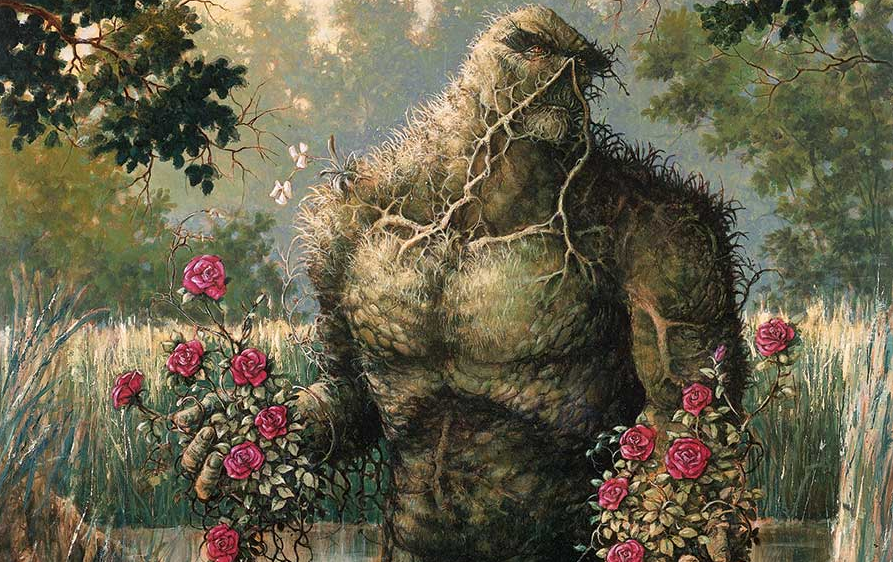
The Comics Already Mapped The Horror
Swamp Thing does not need a reinvention. He needs fidelity to what worked on the page.
Start with “The Anatomy Lesson.” That single issue reframed the character’s origin and identity in a way that still chills. It is quiet, clinical, and brutal, and it unlocks the monster-perspective tone a film or series should keep. Build from there into the larger horror tapestry. Alan Moore’s American Gothic stitched together vampires, witches, possession, and a creeping, cosmic evil in a way that felt more like an adult horror novel than a superhero arc. Later runs advanced the myth of the Green and the Parliament of Trees, widening the existential and ecological stakes. Modern stories, including Levi Kamei’s time as Swamp Thing, show how the concept can evolve without losing the shiver.
These arcs are not just reference points. They are a production blueprint. The camera stays close to the creature. The violence is organic, not bombastic. The romance with Abby Arcane is the heartbeat. The villain is not a beam in the sky, it is a rot in the soil, a corporation in the shadows, or a cult whispering at the edges of America.
What The 2019 Series Got Right
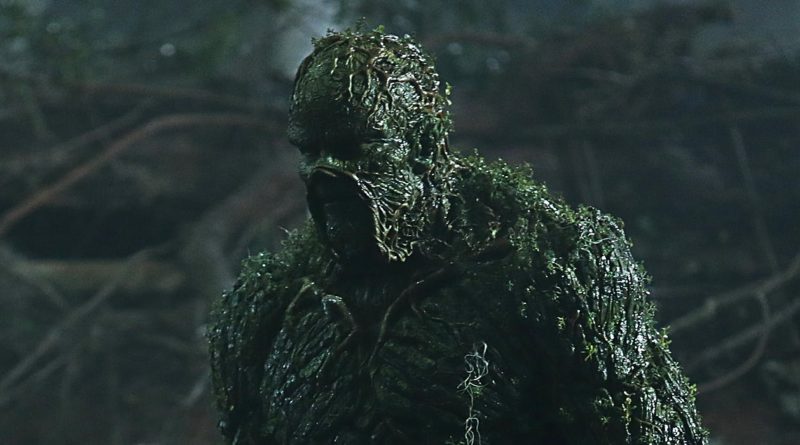
The 2019 Swamp Thing series quietly proved how well this material plays as horror. The suit work was tactile. The bayou felt alive. The show leaned into plague, corruption, and grief, and it found a patient, unsettling rhythm that most comic adaptations avoid. Derek Mears made the creature sympathetic without softening him. Crystal Reed’s Abby Arcane grounded the human side. Even side elements like Blue Devil and the slow corruption of Floronic Man teased a wider occult world without racing to it.
The tragedy is what we lost when that season ended early. The romance had only just started to hurt. The Floronic Man turn was set to bloom into a full nightmare. The series had planted seeds for a proper war between the Green and the Rot, and for a tighter focus on the Parliament of Trees. You could feel a second season that would break open the mythology. Canceling after one season left that entire garden untended.
Lessons To Carry Forward
The lesson from 2019 is not that Swamp Thing is “too niche.” It is that the tone works and the craft matters. Bring that practicality to the screen again. Let the moss, vines, and tendrils be things the actors can touch. Keep the palette muddy and oppressive. Save the CGI for when the Green moves like a thought across continents.
Keep the monster point of view. The best Swamp Thing stories are told from inside the creature, not around him. He is the protagonist, and we sit with his losses and small mercies. Abby is not a plot device. She is a co-lead with agency and scars.
Choose one main horror flavor per season or per film. Body horror for an Anatomy Lesson adaptation. Folk horror for a road story through haunted America. Eco-horror for a Rot outbreak that turns a small town into a petri dish. You can braid them over time, but let each chapter have a clear shiver.
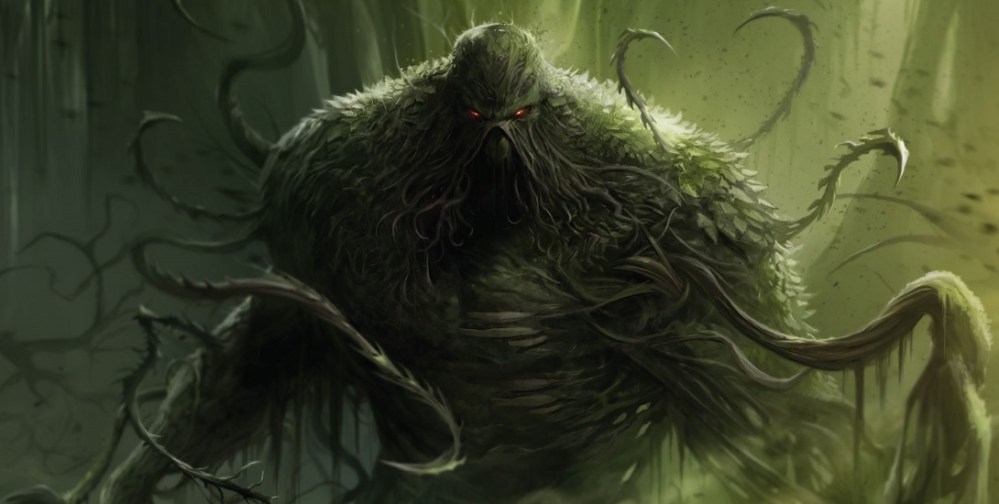
A Practical Blueprint For DC Studios
Open on a post-mortem. Not a lab full of wisecracks, a quiet room with humming lights. Make the first ten minutes a horror short. Then, when the Green wakes, the sound design does the heavy lifting. Low water, distant insects, breath that does not need lungs. Your audience will know in five minutes that this is not business as usual.
Set the first story in a single, suffocating place. A Louisiana parish where industry poisons the wetlands and something older pushes back. Put Avery Sunderland’s corporate mask over the crime. Use Jason Woodrue as the scientific curiosity that curdles into villainy. Keep the Parliament of Trees unseen until it must appear, then treat it like a cathedral.
Disciplined scale keeps the mood. One monster, one town, one creeping sickness. Level the stakes through people we can lose, not cities we can watch explode.
When you expand, do it through character. Bring in Constantine with a problem only a plant god can solve, not as a cameo. Let Zatanna and Deadman read as human beings first, super-occulters second. Justice League Dark can come later if the story earns it. It will feel bigger if Swamp Thing remains the anchor.
The DCU Payoff
If the DCU wants variety that feels intentional, Swamp Thing is the test case. He gives the universe a language of dread. He turns the supernatural corner from cool to frightening. He also adds a moral axis that is different from truth and justice. The Green is not impressed by slogans. It asks what survival costs, what progress destroys, and how love survives when the body does not.
That is a powerful shift for a shared universe. It allows other projects to visit horror without becoming horror movies. It sets up conflicts that are thematic, not just physical. And it signals to audiences that DC can tell stories that get under the skin.
Swamp Thing has always been that kind of story. The comics proved it. The 2019 series hinted at it. The DCU has the chance to finish the sentence. Give us the quiet, the decay, the ache, and the awe. Let us fear the dark again, then show us why the dark matters.



 gfpods.com
Leave a comment