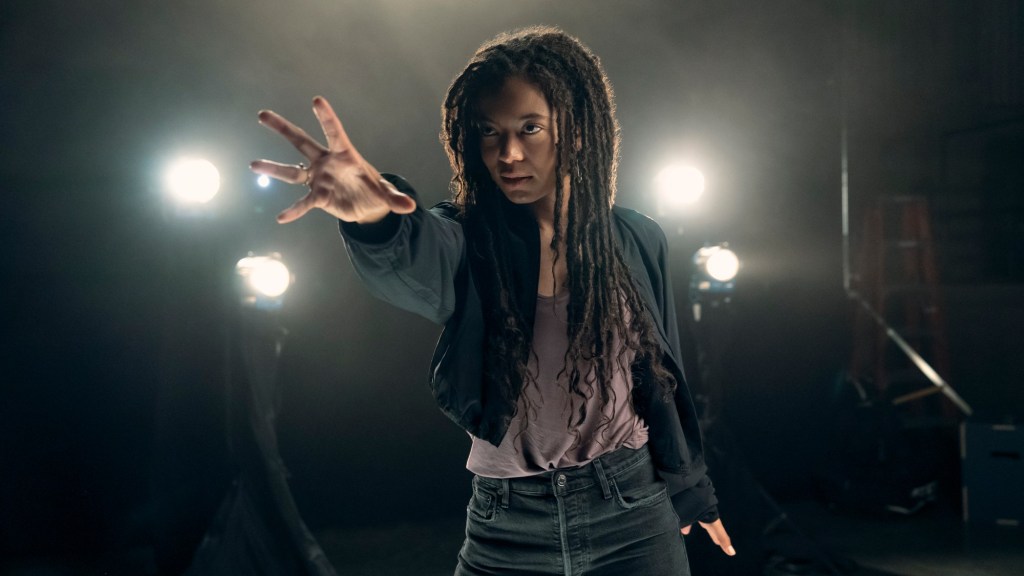
Gen V’s second season arrives with a bigger scope and heavier stakes, and it mostly sticks the landing. The show picks up in the aftermath of The Boys Season 4, with Godolkin University under new leadership and the culture war between humans and supes boiling over. It is grim, funny, and mean in the way this franchise excels at, and it delivers several clever twists that reshape what God U even is. I’m at 8 out of 10 overall. The one thing holding it back is a sag in the middle stretch where the plot wanders, and I wish the season had stayed anchored on campus instead of spreading out just when the tension at Godolkin was getting good.
Where the Season Lands
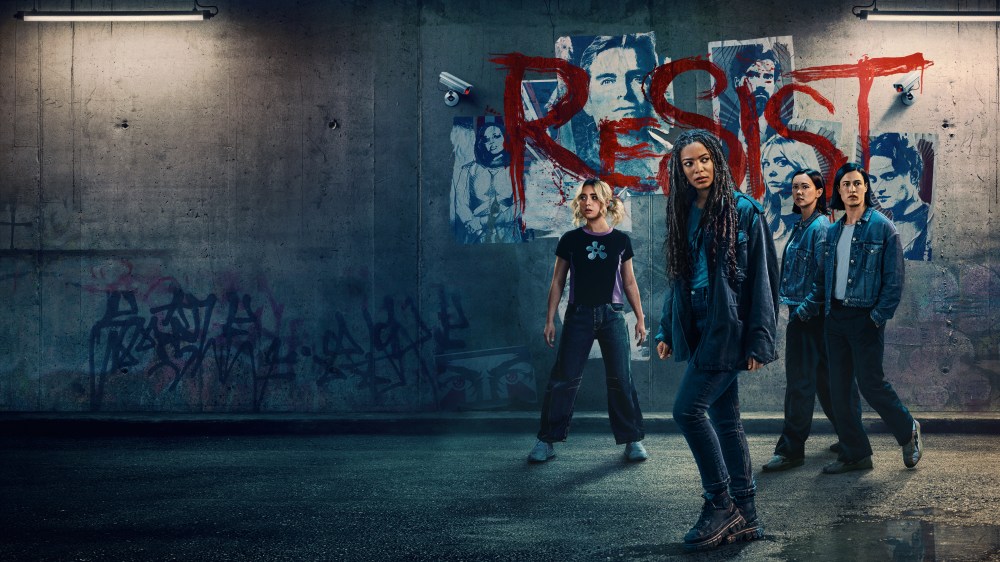
Season 2 runs eight episodes, premiering September 17, 2025, with three episodes at once and weekly drops after that to the October 22 finale. That rollout suits the show’s punchy cliffhangers and gives the big reveals room to breathe across the month.
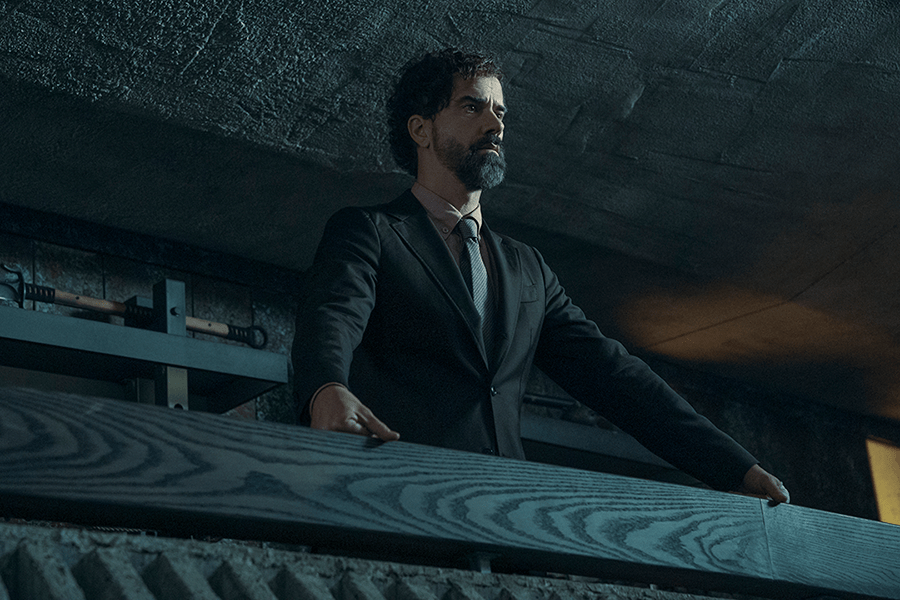
The new status quo at God U is the biggest swing. Hamish Linklater joins as Cipher, the university’s new dean, and he’s fantastic. His oily charm and performative compassion make every pep rally feel like a threat. Linklater’s character is more than he seems, and Episode 7 detonates a twist that reframes his entire presence on campus. It is an audacious reveal, it pays off clues the season has been leaving out in the open, and it gives the late-season run a genuine spark.
The finale doubles down on that energy. Michele Fazekas and the writers deliver a messy, crowd-pleasing brawl that leaves the core students in very different places and draws a clean line into The Boys’ next chapter. This is a spinoff that earns its keep, not just by expanding lore but by forcing decisions that will matter when the main series returns.
The Performances That Make It Work
Jaz Sinclair remains the heartbeat of the show as Marie Moreau. The choice to complicate Marie’s sense of heroism without undercutting her resolve pays off, especially as she faces authority that speaks like a student-ally while acting like a warden. Lizze Broadway plays Emma’s shifts with an honesty that keeps the character sympathetic even when she makes questionable choices. London Thor and Derek Luh continue to make Jordan Li one of the more interesting identity-driven characters in superhero TV, and Asa Germann’s Sam swings between sweet and terrifying without losing credibility. The cast’s across-the-board commitment helps the satire land because the people at the center feel human.
Linklater deserves a second nod. Season 2 leans on him not only as a villain presence but as a symbol of institutional rot wrapped in a pep-talk cadence. His scenes are sticky, and the mid-season reveal only deepens that. The critical consensus has already highlighted what he brings to the table, and it is the rare case where the pull quote is right.
The Loss the Show Had to Carry
There is no way to talk about this season without acknowledging the death of Chance Perdomo in 2024. The producers chose not to recast Andre Anderson and instead re-broke Season 2 to honor the actor. You can feel that rewrite at times, particularly in how the season addresses Andre’s absence and how Polarity’s story turns reflective and raw. It is handled with care and gives Sean Patrick Thomas more to play than the stern-dad archetype. The balancing act is tough, and while not every choice wholly satisfies, the show’s intent feels sincere.

What the Season Says
Gen V continues to be more than a college-aged detour from The Boys. It sharpens the franchise’s critique of image-obsessed institutions and weaponized meritocracy. Godolkin is the perfect setting for that. It is a place built to package young power for corporate consumption, where the line between campus wellness and behavioral control is paper thin. Season 2 pushes that further with the arrival of a new dean and a curriculum that smells like indoctrination even when it looks like career coaching. The satire lands because the show constantly pairs its targets with student-level concerns like friendship, shame, and the idea of who you are supposed to be at nineteen.
It also smartly plugs into the broader universe. The finale brings in familiar faces from The Boys in ways that feel organic and consequential rather than cameo-cute. The message is simple: the rebellion needs bodies, and these kids are done asking for permission. That connective tissue sets up meaningful crossover momentum without turning Gen V into a side quest.

Where It Stumbles
My main fault lies with the middle of the season. After an electric premiere block, Episodes 4 through 6 slow to a crawl. The show spends time chasing external threads and shifting the action away from God U just as campus politics and student paranoia are peaking. Those detours are not useless, and one of them feeds the late-season twist in a satisfying way, but the overall effect is a loss of pressure. This universe thrives on pressure. Keeping our characters on campus with the walls closing in would have amplified the paranoia and made the twist hit even harder.
Part of the slowdown comes from table-setting for future crossovers. The Boys needs Gen V to tee up several pieces, and you can sometimes hear the machinery. The series remains character-first, which helps, but the middle episodes are the only stretch where I felt the runtime. The good news is once the twist lands, the show snaps back into focus and sprints to a finale that remembers the real draw here is a friend group trying to survive a system built to break them.
Craft and Shock Value
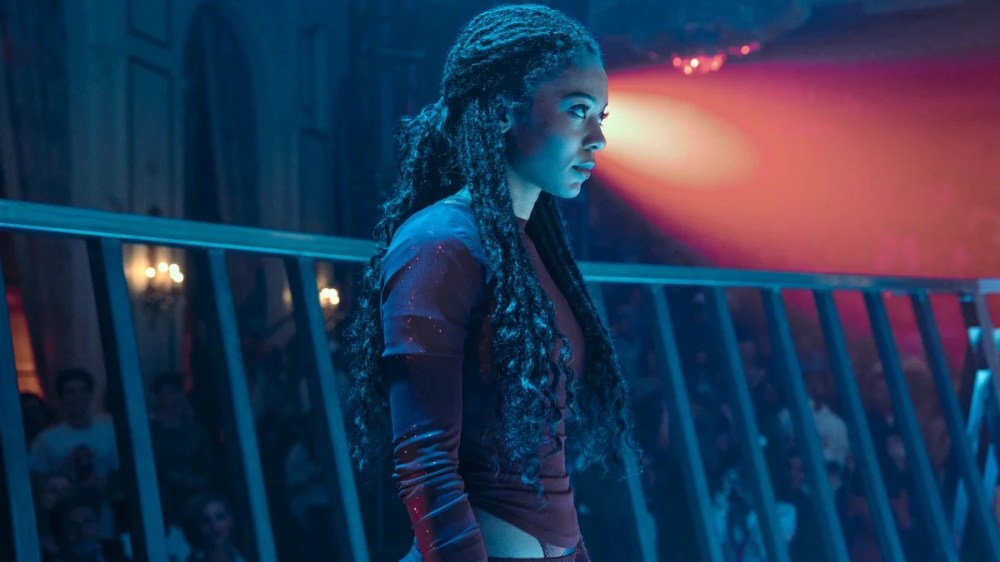
On the technical side, Season 2 keeps pace with the franchise standard. The practical gore is inventive without feeling like it is chasing viral moments, and the visual effects sell both big swings and small, gross gags. The action is staged with clarity, especially in the finale’s many moving parts, and the series continues to find visual jokes inside its violence that punch up the commentary rather than drown it out. Even the pep-rally sequences have menace baked into the lighting and blocking, which pays off once you understand who is pulling the strings.
The writing is at its best when it lets scenes run on discomfort. Therapy circles that sound like PR training, dorm gossip that turns into surveillance, office hours that feel like interrogations, all of it keeps the show’s targets in view. The humor helps the medicine go down, and the cast knows how to ride a punchline into a moral complication.
The Verdict, and What I Want Next
Season 2 proves Gen V is not just a companion piece. It is a vital artery in The Boys’ body, delivering character work and institutional skewering that the flagship show does not have time to do. The late-season twist is a winner, Linklater is an excellent addition, and the finale leaves everyone in a more dangerous, more interesting place. It is also the rare spinoff that elevates the parent series by setting a clean runway into the next phase.
My score is 8 out of 10. The dip in the middle is the reason it is not higher. Keeping the action and intrigue concentrated at Godolkin would have maintained the pressure cooker that the premiere built and made the season feel tighter. Even with that caveat, this is a strong sophomore outing that earns its shocks and its heart. When the dust settles, what lingers is not the blood but the question the show keeps asking: who gets to decide what you become, and how much of yourself are you willing to spend to fight back?
Score
8/10




 gfpods.com
Leave a comment