
California just put serious fuel behind film production. The state selected 52 feature projects for its latest round of film tax credits, part of a larger push to bring big shoots back home. State officials say the slate is expected to drive roughly $1.4 billion in economic activity, create about 8,900 cast and crew jobs, and book more than 1,600 filming days across the state.
The headline grabber is Sony’s next “Jumanji,” which received a record $43.9 million in credits, the largest single-film allocation in program history. Michael Mann’s “Heat 2” landed $37.2 million, positioning the sequel to film in Los Angeles. The Daniels’ next feature was awarded $38.4 million.
There’s a little discrepancy on the overall pot. Variety pegs the total at $342 million, while multiple outlets including TheWrap and the Los Angeles Times report about $335 million. Regardless of which tally you use, this is the biggest round the program has seen and a clear signal that California wants tentpoles and prestige features rolling cameras in the state.
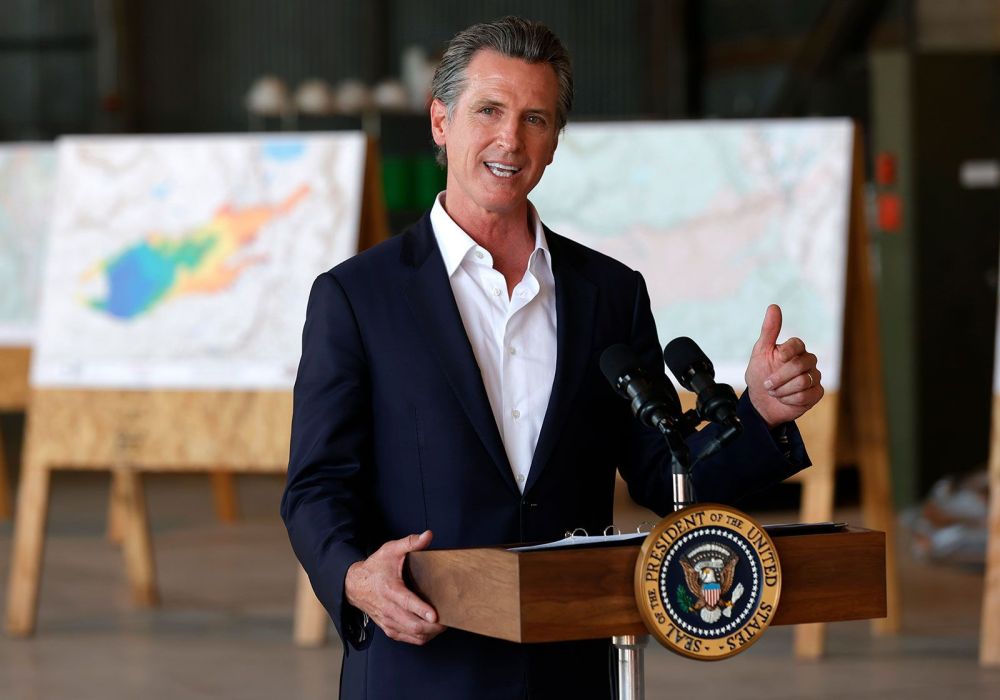
Officials are also emphasizing where productions will actually shoot. The Governor’s office says this round includes a record 511 “out-of-zone” filming days outside the Los Angeles 30-mile zone, with projects scheduled in counties like Alameda, Contra Costa, Imperial, Inyo, Marin, San Bernardino, San Diego, and Santa Clara. That spread means hotels, hardware stores, caterers, and local permit offices far from Hollywood should see a lift.
The expanded program is the backdrop. In June, lawmakers and Governor Gavin Newsom boosted California’s film and TV tax credits from $330 million to $750 million per year through 2030. The move came after a prolonged production slump and increased competition from states like Georgia and New York, which offer massive or uncapped incentives. Today’s feature slate is the first real proof point of that bigger budget at work.
Major studio titles beyond “Jumanji” and “Heat 2” are part of the mix: Netflix’s “The Fifth Wheel,” directed by Eva Longoria, a Blumhouse adaptation of the novel “Sunday,” and untitled projects at several studios. On the indie side, the California Film Commission highlights dozens of films, many under the $10 million budget mark, which collectively account for the majority of selected projects this round.
Why it matters for crews and communities: state data forecasts 8,900 cast and crew jobs plus 46,400 background workdays from this single round. The production calendar adds 1,664 days of filming, including that record haul outside the LA zone. For a local industry still normalizing after strikes and a content pullback, that is welcome calendar density.
Creative voices are already weighing in. “Jumanji” director Jake Kasdan praised the expanded incentive for making it possible to bring a large scale crowd-pleaser back to California, and Sony’s Tom Rothman framed the decision as both an artistic and economic win. The specifics may read like standard studio statements, but paired with the money on the table they point to a simple reality: California just became competitive again for projects that would otherwise chase richer deals elsewhere.
There is still healthy skepticism about film subsidies in general, and the final measure of success will be what actually shoots here and what sticks. But for now the state has lined up a slate that blends major franchises and smaller features, spread across more communities, with jobs and spend estimates to match. If “Jumanji,” “Heat 2,” and the rest of this cohort roll cameras on schedule, California’s new era of incentives will have its first marquee test.
Sources: TheWrap, Governor of California, Reuters, Variety








 gfpods.com
Leave a comment