
In a world that constantly “begs us to compromise,” what is the best thing a person can be? That is the central question posed by the Fandom Portals Podcast in the introduction to their episode on the 1994 film Forrest Gump. The hosts assert that the movie’s ultimate lesson is that “staying true to your core values in a changing world is worth more than fitting in as someone that you’re not”.
Twenty-five years after its release, this enduring theme—the power of unwavering authenticity—is precisely what makes Forrest Gump a timeless masterpiece. The movie offers a simple, yet profound, anchor in a sea of complexity by championing a set of core values that remain essential today.
1. The Power of Unwavering Sincerity
Forrest Gump’s defining trait is his “unwavering sincerity”. While the world around him, spanning three decades of American history, is defined by cynicism, political upheaval, and shifting social norms, Forrest uses his “integrity and his authenticity as an anchor”.
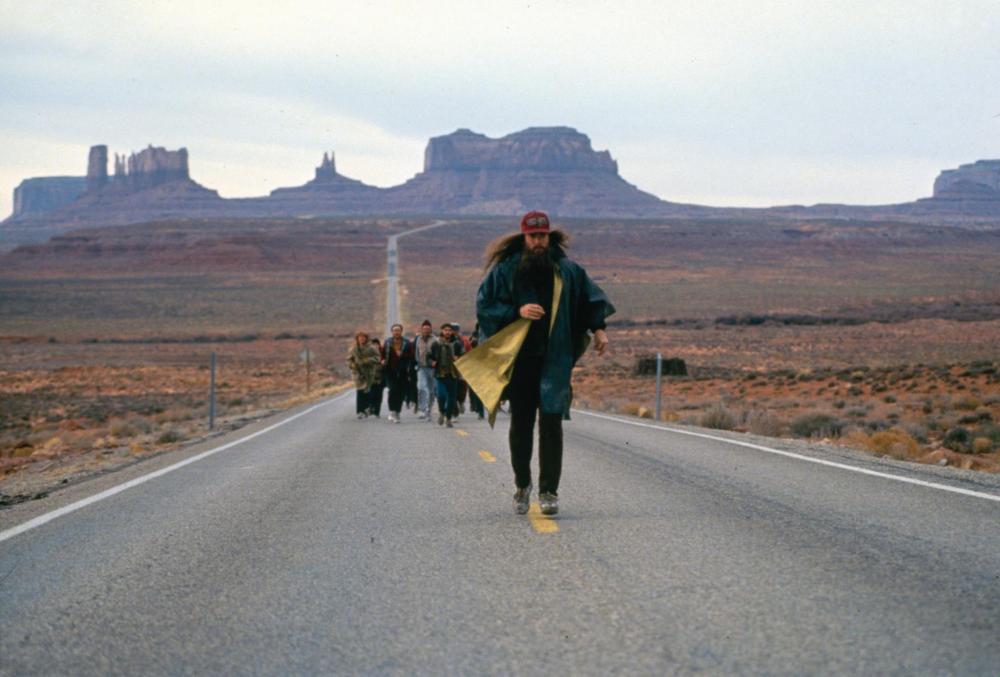
He approaches life without calculation , following his heart and what he feels is right. His success in life, from college football to a lucrative shrimp business, stems not from strategic genius, but from this single-minded dedication to a task and a person. His growth is not intellectual, but “emotional and moral,” proving that true wisdom is found in simple kindness and resilience, rather than intellect.

2. Unconditional Loyalty and Love
The most celebrated value in the film is Forrest’s profound capacity for loyalty and love, which serves as a grounding force for everyone he meets.
- Love as a Constant: His devotion to his mother and his lifelong, steadfast love for Jenny provide the emotional core of the film. He simply and powerfully states, “I may not be a smart man, but I know what love is”.
- The Weight of a Promise: Forrest’s decision to establish a shrimping business is a direct result of his promise to his fallen friend, Bubba. He honors his word and later gives Bubba’s family half of the business’s massive fortune, believing that “a promise is a promise”.
- The Grounding Friend: His presence transforms Lieutenant Dan, a man weighed down by the expectation of a soldier’s “destiny”. Forrest acts as a “grounding point” for the cynical Dan, ultimately helping him “make his peace with God” and embrace a new, meaningful life. Every character Forrest is introduced to is “changed through meeting him”.
3. Seeing People as People
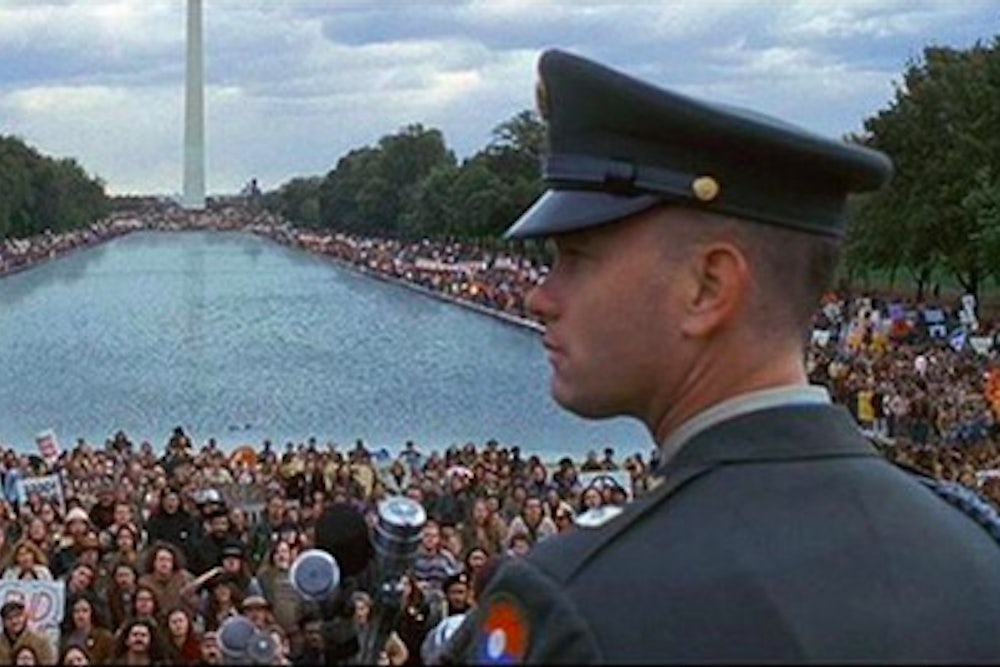
In an era of deep social conflict and division, Forrest’s simple view of people is remarkably powerful. He navigates conflicts like the Vietnam War, political protests, and racial tensions, remaining oblivious to the social context. He “just sees people as people”.
He doesn’t judge a person’s value on “what they are or what they do,” but “who they were as a person”. This is demonstrated in his equal treatment of Bubba, Lieutenant Dan (before and after his injury), and Jenny, treating them “just as nicely as he treats anybody else” despite their differences or backgrounds. Forrest’s mother instilled this value early, telling him never to let anyone think they are better than him, and that if God “intended everyone to be the same, he’d put braces on everybody’s legs”.
In the end, Forrest Gump reminds us that the best thing any of us can be is ourselves. Forrest’s “emotional and moral” journey illustrates that the true measure of a life is found not in cleverness or ambition, but in the steadfast courage to live with kindness, loyalty, and resilience.









 gfpods.com
Leave a comment