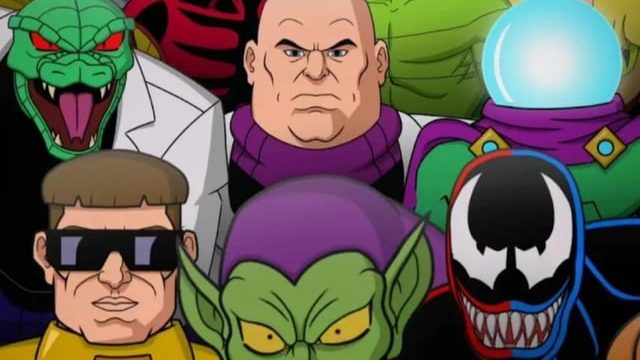
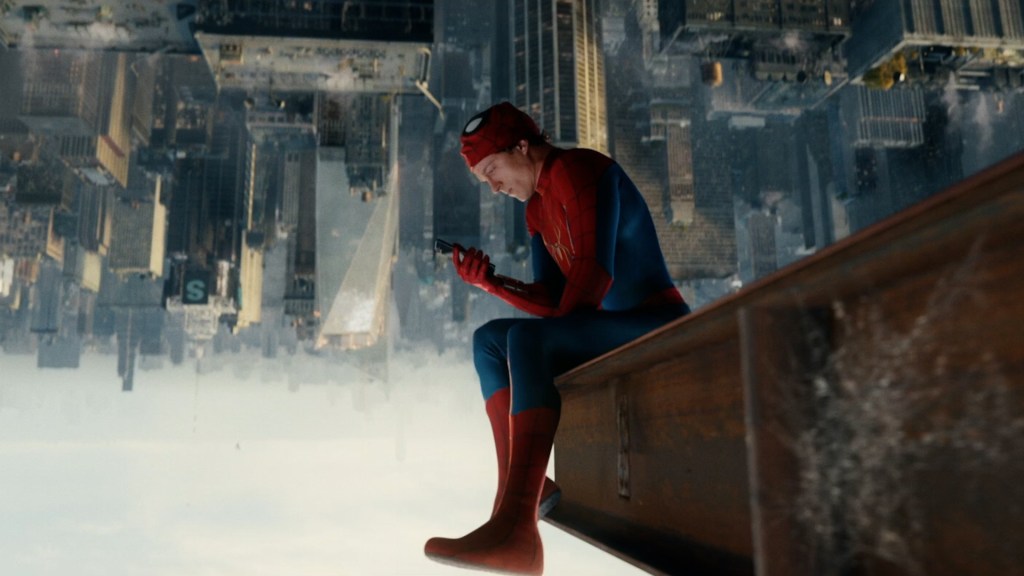
On the latest Distance Nerding episode, the crew kicked around a bold idea for Spider-Man 4, reportedly titled Spider-Man: Brand New Day: start the movie with a quick-hit montage of street-level villains. Think Tom Holland’s Peter swinging through a series of bite-size encounters as a way to show how he has grown since No Way Home and to set the tone for a grounded New York story.
Here’s why the montage could work, where it could backfire, and how to make it land.
Why a montage is a smart move
A fast run of rogues is a clean reset for this next era of Peter Parker. He is anonymous again, broke, and back to basics. Showing him handle smaller threats in rapid succession would signal a return to neighborhood stakes without needing a long origin ramp. It also gives the film a chance to introduce multiple faces from the comics, from Scorpion and Tombstone to deeper cuts like Tarantula or Boomerang, without having to build full arcs for each. If done well, the sequence doubles as a character check-in and a mission statement: this Peter is competent, creative, and relentless.
The montage also opens doors for the larger trilogy. Even brief villain beats can plant seeds for future payoffs. A ten-second clash at a loading dock becomes a grudge match in the sequel. A blink-and-you-miss-it gadget upgrade foreshadows a bigger suit evolution later. You prime the audience’s memory without dragging the first act.
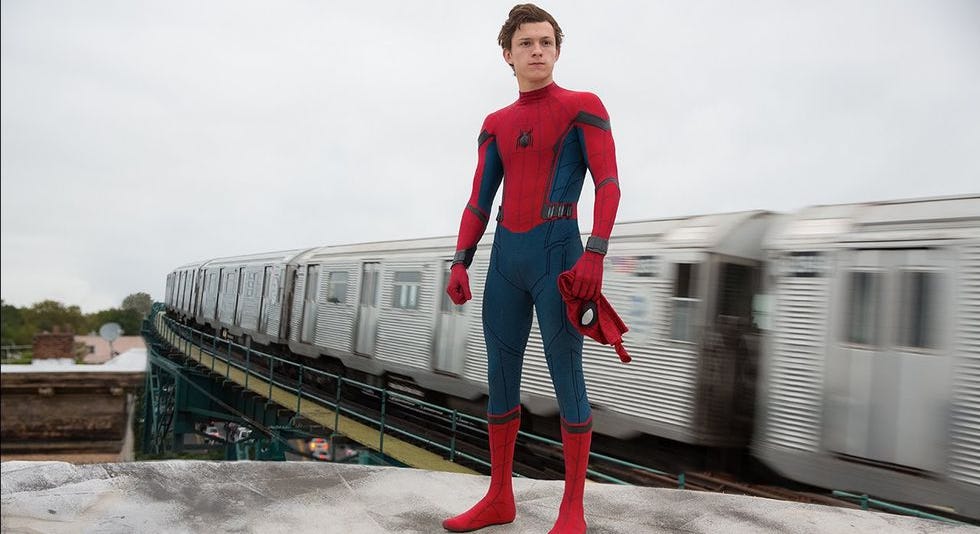
The risks to watch
Pacing can turn on you. Too fast and it feels like a clip reel. Too shallow and the villains read as throwaways. Spider-Man’s rogues gallery is a big part of the appeal, so if the movie treats them as jokes, you burn capital for a cheap laugh. Another risk is tonal whiplash. If the montage is quippy chaos and the story immediately pivots to a darker main plot, the shift can feel jarring.
There’s also the continuity question. Recent reporting and set chatter point to a street-level vibe with practical action and on-location shooting. That tone calls for bruises and consequences. If the montage shows Peter mowing through hitters with no pushback, it undercuts the “grounded” promise.
How to make it land
Keep it story-first. Each beat in the montage should reveal something about Peter: his DIY fixes, the way he reads a room, how he protects bystanders. Give every mini-villain a distinct texture. Tombstone should feel like organized pressure. Scorpion is raw power. Boomerang is chaos you have to outthink. Tarantula forces Peter to adapt mid-swing. Two or three quick wins followed by one that costs him would give the sequence weight and lead naturally into the main conflict.
Use the city as a co-star. Practical stunts on real streets, day and night cuts across neighborhoods, small visual rules that track where Peter stashes gear or where police tolerate him. Let the montage earn the title card, then breathe. After the fireworks, slow down with a quiet scene that locks in the film’s emotional spine.
Finally, leave a breadcrumb. One villain watches Peter escape and makes a call. A symbol spray-painted near a crime scene shows up again in act two. The audience should feel like the montage mattered because it did.
The bigger picture
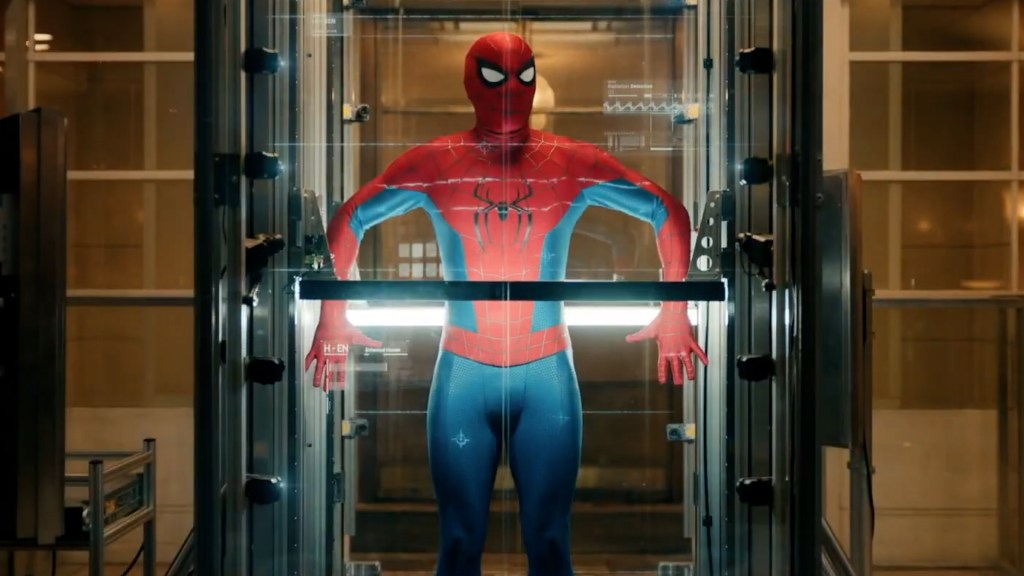
A well-executed villain montage is more than fan service. It’s a craft choice that can unify tone, theme, and character while honoring decades of comics history. Distance Nerding’s take frames it the right way: not as a gimmick, but as a storytelling tool that supports a street-level Spider-Man who learns fast, cares deeply, and keeps showing up. If Brand New Day wants to plant the flag for a new trilogy, opening with Peter versus New York’s worst in a tight, purposeful sprint could be the perfect first step.






 gfpods.com
Leave a comment