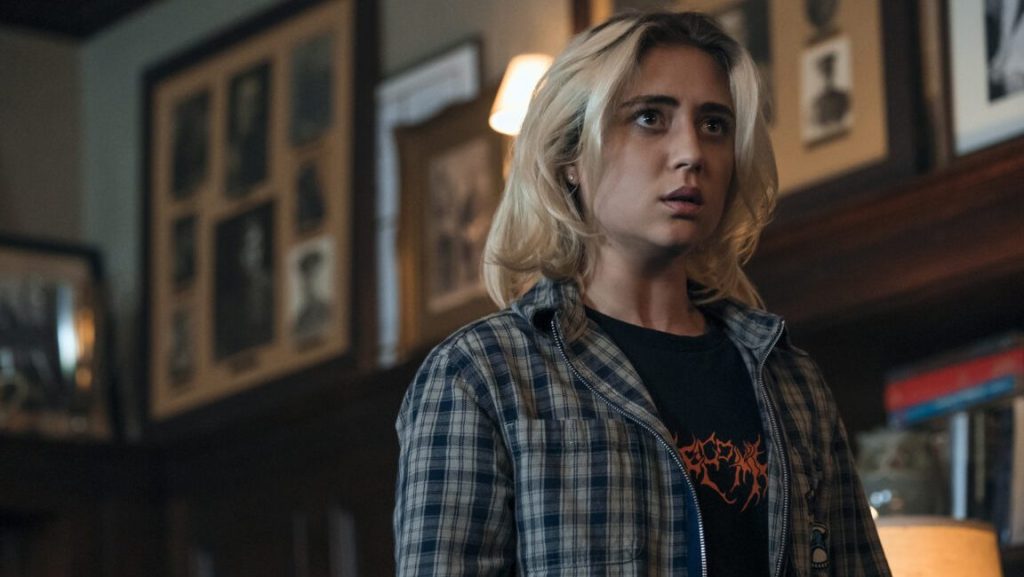
Gen V comes back sharp and messy in the right ways. The premiere weaves a tight reset around Andre’s absence, handling Chance Perdomo’s death with a simple, respectful tribute and a story choice that feels true to the character. It avoids recasting, honors the loss, and gives the team new emotional weight to carry.
The bigger swing is the new order at Godolkin. Hamish Linklater’s Dean Cipher is instantly detestable and oddly magnetic, steering campus toward militarization while smiling for the cameras. The show leans into propaganda and culture-war optics with a nasty sense of humor, and it mostly lands. The opening flashback to the late-60s labs sets the tone: this season wants to talk about institutions as much as individuals, and it does so with the franchise’s usual mix of splatter and satire.

Episodes 2 and 3 sharpen the arc. Project Odessa gives the mystery real stakes, Starlight’s brief involvement threads the spinoff back to The Boys without hijacking the story, and the campus “optimization” track turns training into indoctrination. Emma’s digging with Polarity, Jordan’s choice to tell the truth on stage, and Marie’s search for her sister keep the plot moving while the show needles influencer culture and performative “healing” content. It is bleak, funny, and uncomfortably current.
What works: Cipher as an antagonist, the way social media frames every beat, and the willingness to let characters make ugly choices. The writing finds small, human moments inside the chaos, like Marie and Jordan’s intimacy landing as tender rather than sensational, and Cate’s altered state re-centering Sam’s volatility. The tone is confident, and the production scale looks better than Season 1 without losing the grimy college feel.
What drags: the occasional contrivance to shuffle pieces back onto campus, a few info-dump scenes that overexplain the mystery, and some whiplash as the show balances grief, romance, and plot mechanics. The satire is pointed, but a couple of targets are so on-the-nose they dull the edge instead of sharpening it.
A strong, bruised return that builds a credible new threat, deepens the ensemble, and keeps the blood-slicked satire intact. If the back half tightens the mystery around Project Odessa and gives Cipher a payoff worthy of the setup, this could finish stronger than it starts. For now, solid 7/10 and I’m in for the weekly rollout.






 gfpods.com
Leave a comment