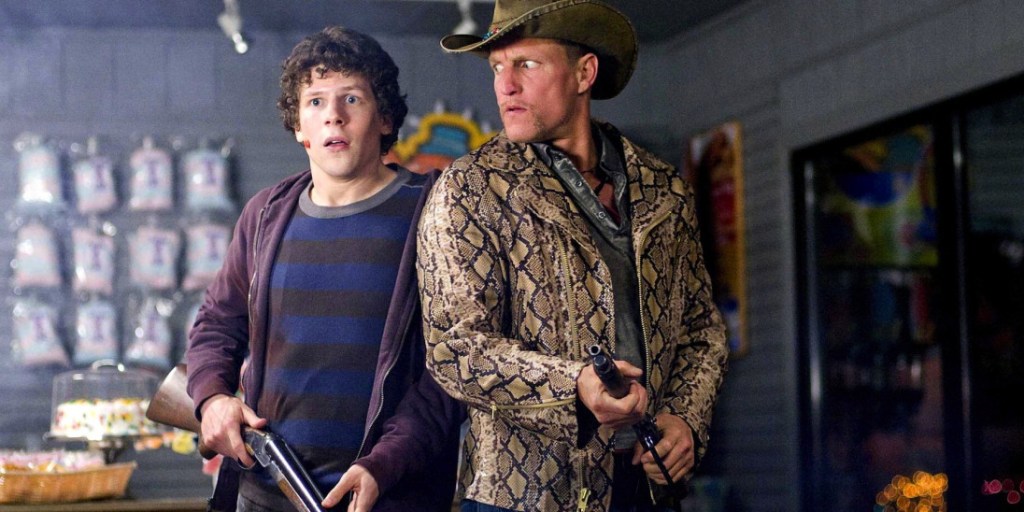
On Distance Nerding, the hosts pointed out something a lot of us felt at the time. The late 2000s were a perfect storm for zombie stories. Post-9/11 unease and the recession had people thinking about worst-case scenarios, and the genre gave audiences a way to process those fears in a safer, more playful space. Survival anxiety, trust issues, and the question of what people do under pressure were suddenly mainstream talking points, and zombie movies made those ideas entertaining instead of overwhelming.
The wave did not look just one way either. It spread because the genre flexed. Comedies like Shaun of the Dead showed there was room to laugh while the world fell apart. Rom-zom hybrids like Warm Bodies tried a different emotion entirely. And action tentpoles like World War Z pushed zombies into glossy, global blockbusters. That variety helped the trend reach people who never would have touched a straight horror film.
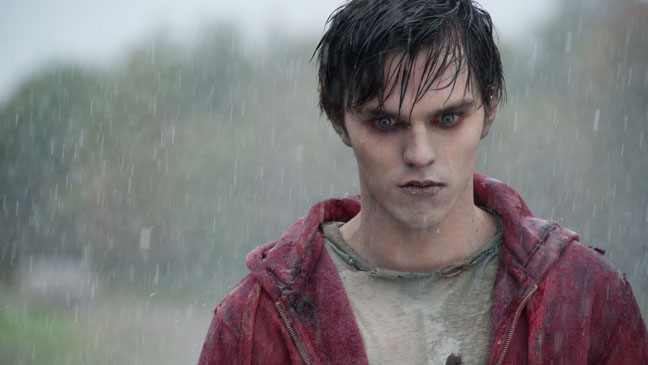
Zombieland landed right in the middle of that run and clicked because it blended sharp, quotable humor with memorable “rules” that fans still reference. Even folks who debated its place among the greats agreed those survival rules became part of zombie conversations going forward. The movie’s found family angle also gave audiences something to root for beyond the gore.
The box office backed it up. Zombieland is often cited as one of the highest-grossing zombie movies, sitting behind World War Z and, depending on how you score it, Hotel Transylvania. That last one is basically a family monster comedy, which shows how far the trend reached into pop culture at its peak.
Put together, the surge happened because zombies became a flexible frame. Filmmakers could talk about fear, grief, and connection while keeping things fun, and audiences could try those ideas on without feeling crushed by the news cycle. That is why those movies from the late 2000s still feel familiar. They mirrored the world and gave us a way to laugh at it, care through it, and imagine surviving it.




 gfpods.com
Leave a comment