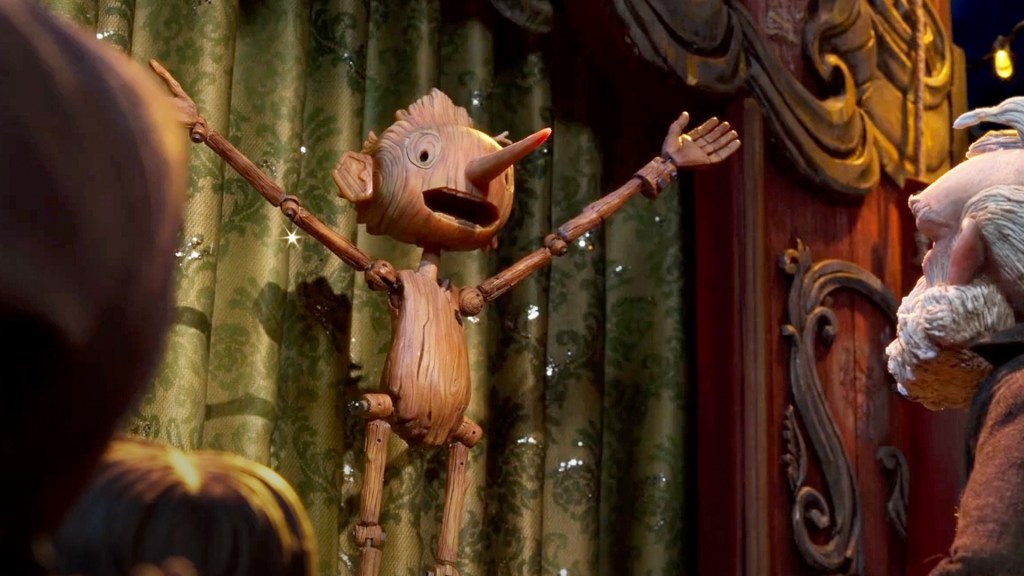
On Fandom Portals we unpacked why Guillermo del Toro’s Pinocchio resonates so strongly with neurodivergent viewers. The conversation kept circling one idea. Pinocchio feels like an outsider not because he is bad, but because he is built different. If you live with ADHD or you are on the spectrum, that framing feels honest.
The Alien Effect
The hosts called it the “Alien Effect.” You enter a room and everyone else seems to have the manual. You are loud when the room is quiet, curious when the room wants silence, literal when people expect subtext. Pinocchio walks into a church and asks the sort of blunt questions that make adults shift in their seats. The point is not that he is rude. It is that the rules were never designed with him in mind. The world treats him as a problem to fix rather than a person to meet.
Masking And Conditional Love
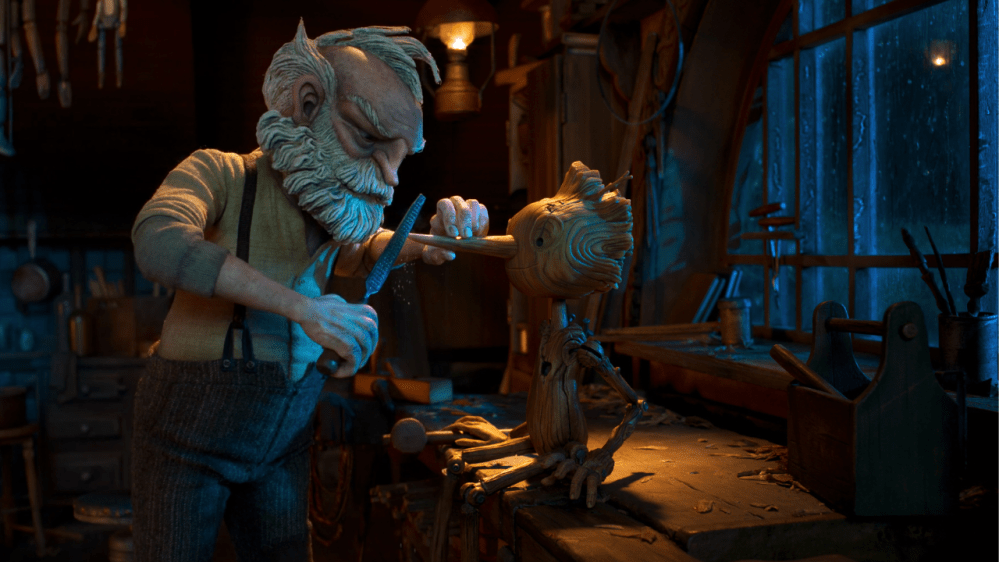
Early on, Geppetto wants the perfect son he lost, not the real boy in front of him. That is conditional love. Neurodivergent folks know this bargain well. You can stay if you perform a version of yourself that looks easy to manage. Pinocchio tries. He promises to be “good.” He studies what earns praise and what triggers scolding. That is masking. It works until it does not, because masking trades away joy for approval. The film pushes back by letting love grow only after Geppetto learns to value Pinocchio’s natural energy, not his compliance.
Curiosity Versus Obedience In A Punishing World
Set in fascist Italy, the story makes obedience a literal policy. Podestà rewards silence and sameness. Candlewick learns to salute before he learns to think. Pinocchio refuses to play along. He asks why. He tries a new path. Candlewick’s small act of defiance later matters because the film links courage with curiosity, not with following orders. For neurodivergent viewers, that shift is powerful. The trait that gets labeled disruptive in school is the very trait that protects your conscience when the crowd goes quiet.
A Better Conscience
Sebastian J. Cricket is not Jiminy telling you to behave. He is a conscience that grows with you. The running gag where his songs keep getting cut off is funny, but it also says something real. Advice is not always available on cue. Sometimes you find your moral footing after you make the mess. Sebastian moves from smug scholar to present friend, and that upgrade mirrors what supportive care looks like in life. You do not need a warden. You need a witness who helps you hear yourself.
Borrowed Time And Self Acceptance
The afterlife sequences with the sand timer bring mortality into focus, but they also reframe the pressure to be perfect. If time is finite, the cost of pretending climbs fast. Pinocchio’s growth is not a turn toward normal. It is a turn toward whole. He chooses relationships and meaning over fitting a mold. The film is gentle about it, which is why it lands. Acceptance shows up as everyday choices. Sit with the odd kid at school. Ask the question others are afraid to ask. Tell the truth even if it is messy.
Why It Sticks
Pinocchio works as a parable for anyone who has been told they are too much or not enough. It does not preach. It just shows a boy whose curiosity refuses to die and a father who learns to cherish it. That is the arc many neurodivergent folks hope for in their own families. Not a cure. Not a fix. Just room to be fully themselves.







 gfpods.com
Leave a comment