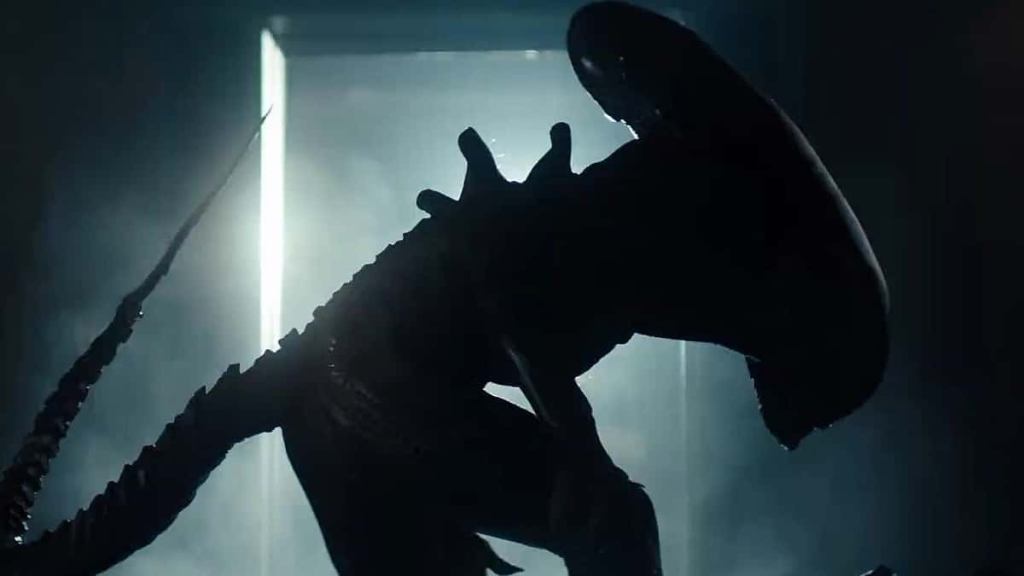
“In Space, No One…” is the season’s cleanest shot of pure Alien. Noah Hawley steps away from corporate chess moves and Earthside intrigue for an hour that traps us on the USCSS Maginot, rolls out a slow fuse of dread, and then lets it burn. The result feels like a small, self-contained film with all the franchise’s pressure-cooker essentials: flickering corridors, bad decisions, and something awful just around the corner.

What makes the episode click is its framing as a prequel to the series. We jump back to the Maginot’s final hours and watch the chain of mistakes and sabotage that ultimately set the season in motion. Knowing where the ship ends up only sharpens the suspense. The story answers the “how did this begin” question without turning into homework, and it never loses sight of character while it fills in the timeline.
Babou Ceesay’s Morrow anchors the hour. He’s flinty and pragmatic, but the episode gives him a bruise of grief that keeps the character from reading as a one-note enforcer. You see it in the quiet beats with his daughter’s letters, and you feel it when he’s forced to triage a crew that can’t stop getting in its own way. Around him, the Maginot ensemble is drawn fast and sharp, from the fearful professionals trying to hold the line to the saboteur who thinks he’s playing a bigger game than he is.
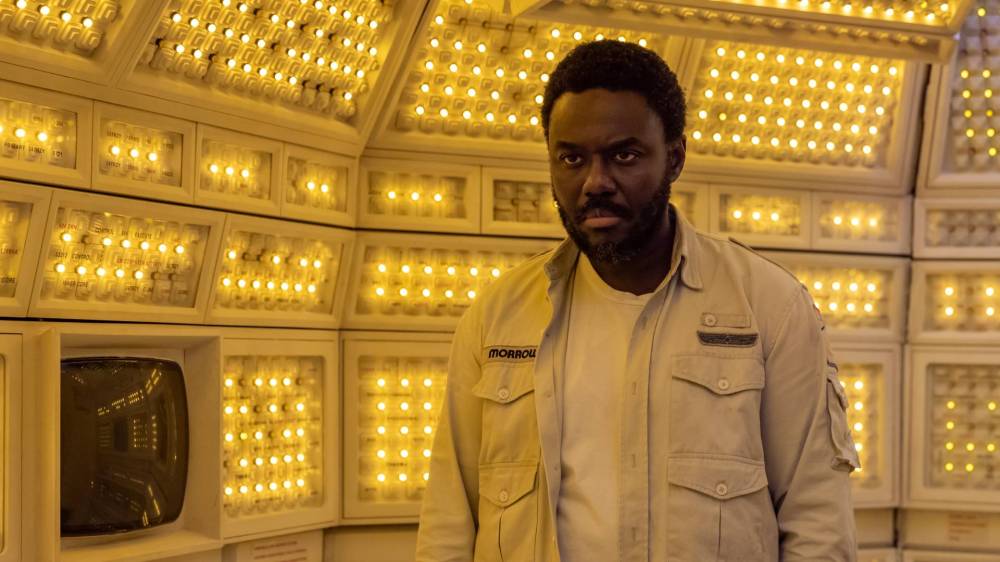
Hawley leans into tactile, retro-industrial staging that echoes the original film without becoming a museum tour. The sets breathe. The alarms feel heavy. When the lights strobe and the cameras tighten, you can practically smell the coolant. The sound work is brutal too, turning every hiss, drip, and squelch into a threat. It’s not just the xenomorph either. The show’s new organisms keep things unpredictable, and a late, nasty gag involving a puppet-like “Eye” parasite and a xeno fight is as audacious as anything this franchise has tried on TV.
The hour also lands the series’ thematic throughline with more force than earlier episodes. Competence fails. Protocols are only as strong as the people following them. And above it all, corporate ambition keeps nudging humanity toward catastrophe. The sabotage thread ties directly into that critique without robbing the crew’s deaths of their tragic, human messiness.

It isn’t flawless. A couple of characters are sketched so quickly that their choices feel more symbolic than lived-in, and a needle-drop near the end may split viewers. But the pacing, the scares, and the clarity of purpose more than compensate. As a miniature Alien movie nested inside the season, it’s tense, grisly, and focused. As a prequel chapter, it meaningfully reframes what we’ve been watching on Earth and raises the ceiling for what this series can be.
Episode 5 delivers the franchise goods and strengthens the show’s core ideas. If you’ve been waiting for Alien: Earth to feel like Alien, this is the one.







 gfpods.com
Leave a comment