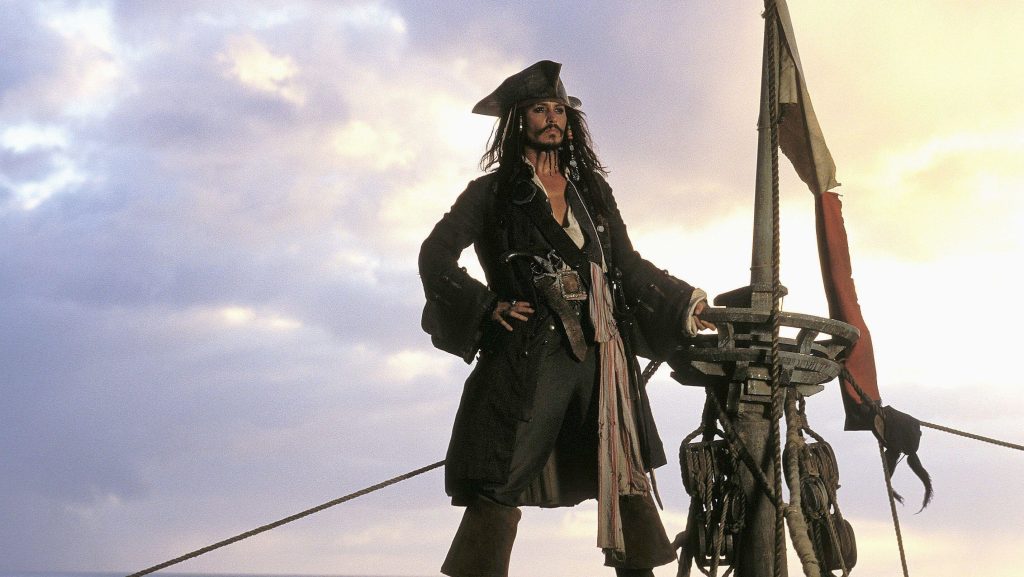
On the latest Challenge Accepted episode, we asked a simple question about Pirates of the Caribbean: The Curse of the Black Pearl: does it still land today, or is it just nostalgia talking. We kept coming back to the same answer. Jack Sparrow is the reason it endures. As we said on the show, “Jack is our Bugs Bunny in this world.”
Jack fits a timeless mold. He is the trickster who survives through nerve and timing more than force. The swagger, the slurred music of his voice, the side-door logic that somehow gets results, none of it depends on references that age out. That gives him a long shelf life. It also means you can drop him into almost any setup, from a jail cell to a governor’s gala, and he will find a way to turn the scene into a little puzzle he can solve.
What keeps the character fresh is the way the comedy sits right next to real danger. The movie never tells you to relax. Swords still flash. Cannons still tear into wood. Jack is funny because he is always one step from disaster. You laugh at the audacity, not because the story takes a break from the stakes. That is a big reason rewatching still feels tense. The jokes do not drain the moment.
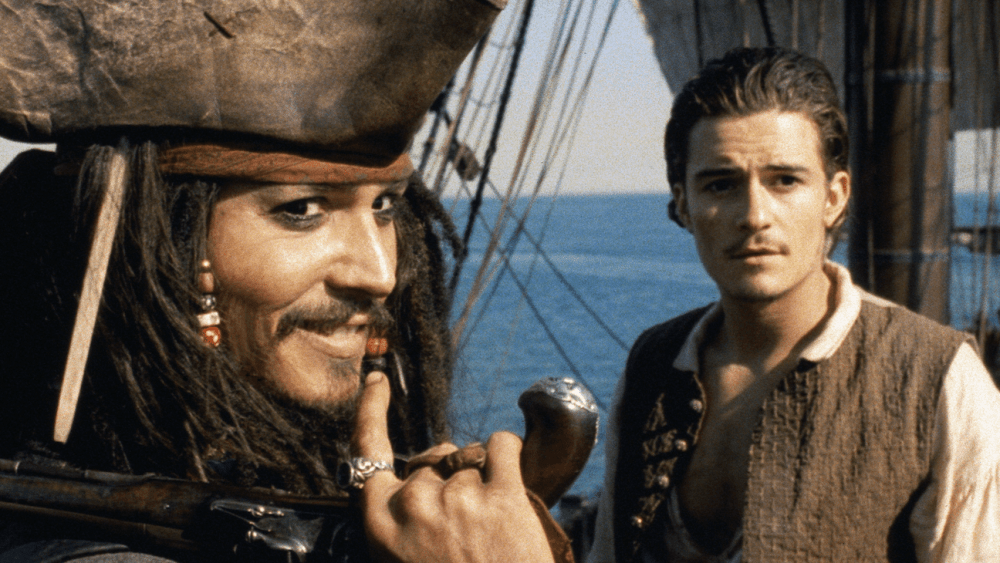
The other half of the equation is Will Turner. Will is the straight man and the moral center. He carries the growth. Jack orbits and agitates. That contrast makes both of them clearer, and it gives viewers two clean paths into the story. If you want earnest heroism, Will is there. If you want chaos that somehow sticks the landing, Jack delivers. Their fight in the smithy tells you everything about who they are without a speech.
Jack also benefits from a world that feels like it can hold him. Sets look used. Ships groan. The nods to the Disneyland ride anchor the fantasy in a language a lot of us already understand. Inside that tactile world, his cartoon energy feels like spice rather than fluff. When he grabs a rope, you can almost feel the fibers. That texture helps jokes land and helps action read cleanly.
Icons last when you can read them from across the street. The hat, the beads, the eyes, the swagger that wobbles but never falls, you can sketch Jack from memory in three strokes. That makes him a costume, a meme, a shorthand, and a character all at once. Recognition leads to repetition, and repetition becomes staying power.
There is also a layer of ambiguity that invites another watch. The film plays with lies, bargains, and shifting loyalties. Jack lives in that fog. You are never fully sure whether he is helping or hedging. On a second viewing you start to catch little tells and sidelong looks. Characters that reward another pass tend to stick around in culture.
Finally, this is a rare family adventure lane that still feels open. The movie gives you swashbuckling action and real peril with almost no gore. Kids can watch and adults do not feel talked down to. Jack thrives in that space because his humor is active. He is busy getting out of a jam, not commenting from the couch. That energy plays well across ages and still feels fresh.
If modern blockbusters want a lesson here, it is simple. Lead with character. Let a steady protagonist anchor the chaos. Build what you can, then add CG to help, not to replace. Keep humor close to the edge so the edge stays sharp. Give your hero a silhouette someone can draw from memory. Stick the finale by making every main character matter.
Jack Sparrow is a trickster with heart in a world that feels real. That mix is hard to date, which is why he still works. For more on the pacing debate, the ride callouts, and our favorite ship battles, check out the Challenge Accepted episode here:



 gfpods.com
Leave a comment