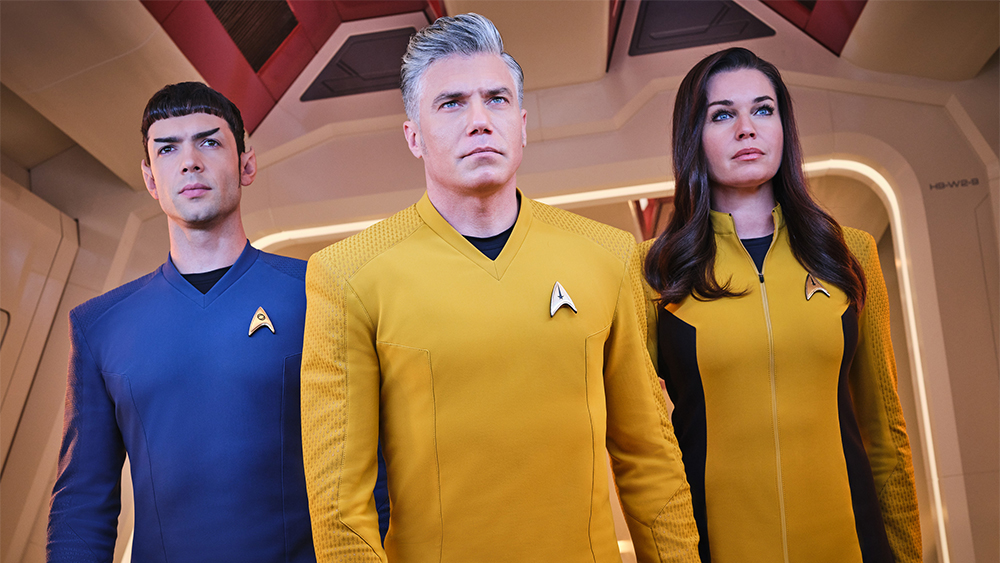
Star Trek has shape shifted a lot in the last decade. Strange New Worlds steps in and says remember the core. Curiosity. Compassion. Big ideas told through weekly adventures. The Season 1 opener is a clear proof of concept that Star Trek can feel classic and modern at the same time.
A return to optimism and curiosity
The episode plants its flag with a simple idea. Exploration has value. Enterprise meets a young world that has stumbled into warp age turmoil, and the crew chooses empathy over firepower. That choice sets the tone for the series. The show remembers that Starfleet is at its best when it solves problems with understanding, negotiation, and clever science rather than brute force. It feels hopeful without feeling naive.
Episodic storytelling with modern polish
On this week’s Challenge Accepted, we revisited the Star Trek Strange New Worlds pilot and talked through why it feels like the franchise finally remembered its sweet spot. Curiosity. Compassion. Big ideas told through weekly adventures. The Season 1 opener is a clear proof of concept that Star Trek can feel classic and modern at the same time.
Captain Pike as a true north
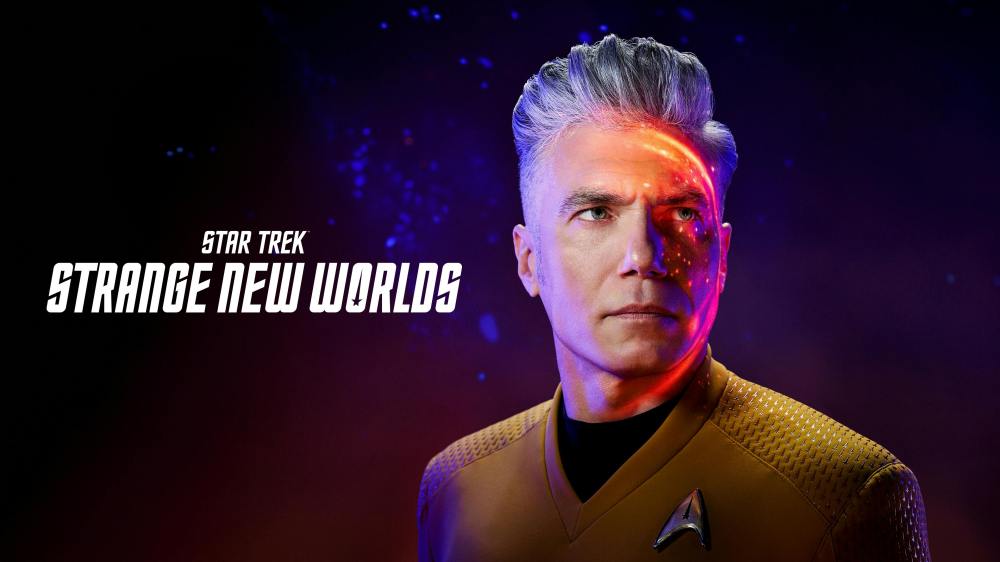
Anson Mount’s Pike is the heart of this revival. He leads with empathy, reads the room, and trusts his crew. The character carries real weight from what he has seen, yet he never lets fatalism define him. That balance gives the show a clear moral compass. When Pike explains humanity’s hard lessons to a world on the brink, it feels like Star Trek speaking with a steady voice. Leadership here is calm, curious, and accountable.
The Prime Directive with fresh urgency
Many series talk about the Prime Directive. This one shows why it exists. The episode ties a prior Starfleet conflict to unintended consequences on a pre warp society, then asks what responsibility looks like after a mistake. That is classic Trek thinking. Rules matter, but they matter most when they guide better choices in messy situations. The lesson lands without a lecture.
Canon as springboard, not anchor
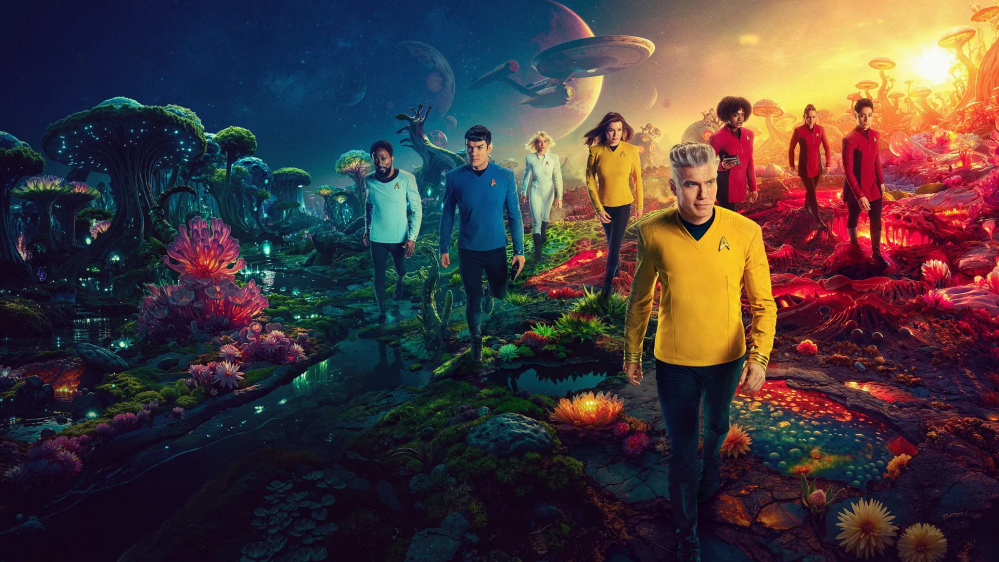
Strange New Worlds respects the timeline without getting stuck in it. The pilot nods to threads that stretch from the Eugenics Wars to Wrath of Khan while staying focused on this crew’s present tense mission. La An Noonien Singh arrives with a loaded last name, yet the episode frames her as a person first. Spock is familiar and still surprising. The show uses history to add texture rather than to lock the story in place.
A crew that already feels like a crew
The chemistry clicks fast. Uhura’s curiosity, Ortegas’ wit, Chapel’s nerve, M Benga’s warmth, and Number One’s steel all read in a few efficient scenes. Dialogue is clean and character forward. You understand why these people choose to serve together, and you want to spend more time with them. That is the secret recipe for any great Trek ensemble.
Cinematic visuals that serve character
Strange New Worlds looks expensive in the right ways. Bridge lighting supports performance instead of washing it out. Ship shots are cinematic, but they never linger so long that the story loses momentum. The mix of practical sets and virtual production sells scale and keeps scenes intimate when they need to be. The design language honors the original series while feeling built for today.
Humor that never undercuts the stakes
The show lets characters be witty and human without turning serious moments into a bit. Banter feels earned because it comes from relationships, not from punchline hunting. That tone control keeps the episode light on its feet and still able to land the heavier beats.
Science as problem solving
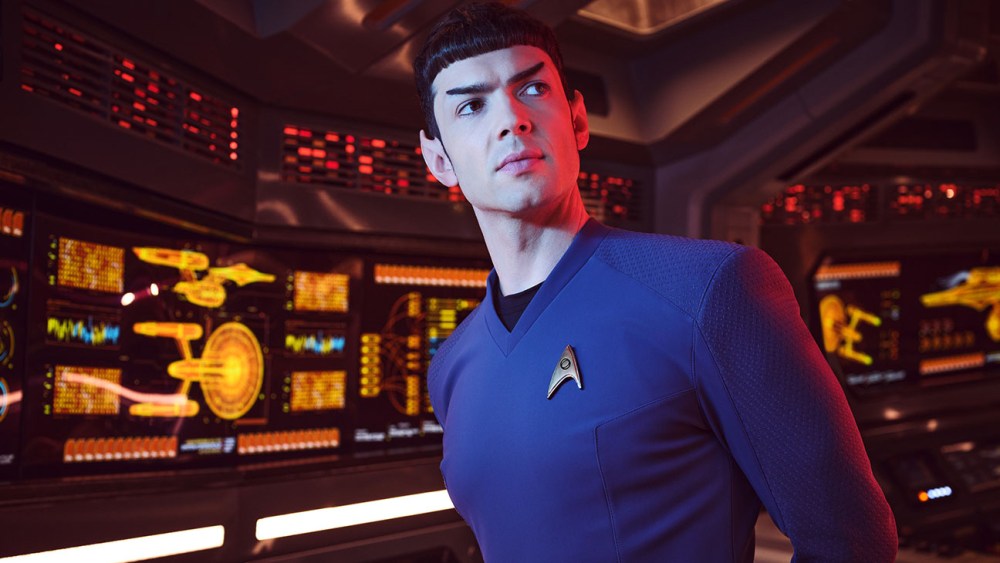
From first contact ethics to the nuts and bolts of warp technology, the episode treats science as a tool for understanding, not just a backdrop of invented words. Explanations are clear enough for newcomers and respectful enough for fans who love the tech. The payoff is a resolution that feels logical and character driven.
Why this is the right on ramp
If someone asks where to start with modern Trek, this is an easy recommendation. You get a complete adventure, a captain you can root for, a crew you want to know, and a statement of purpose that aligns with the franchise’s best years. Strange New Worlds understands that Star Trek works when it shows people trying to be better tomorrow than they were yesterday. The pilot delivers that promise and sets up a season that keeps it.
Verdict
Strange New Worlds does not reinvent Star Trek. It remembers it. Optimism with a spine. Adventure with ideas. Characters who choose empathy when fear would be easier. If you have been waiting for a series that captures that blend, this is the one.







 gfpods.com
Leave a comment