
A Retro Futuristic Sci Fi Family That Makes You Care
Fantastic Four: First Steps is a vibrant reboot that finally leans into what made Reed, Sue, Ben, and Johnny special in the comics. From the stylized 1960s setting to the core theme of family, the movie doesn’t just check boxes. It understands the assignment. You felt the retro design, the emotional center, and the love for these characters in almost every scene.
Visual Style and World Building
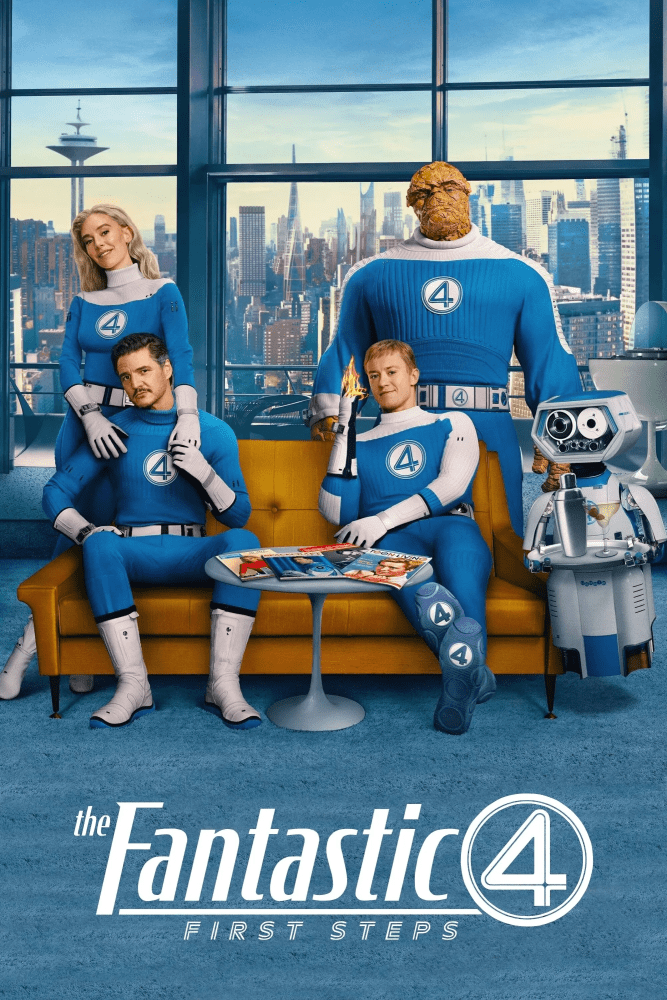
This film is soaked in retro futuristic charm. The design of Earth 828 takes cues from mid-century optimism, with pastel colors, angular architecture, and functional sci fi tech that wouldn’t look out of place in an old NASA ad. It is bright and inviting, a clear contrast to the more sterile look of Marvel’s recent Phase 4 entries. When the action jumps into Galactus’s domain, the color palette tightens and shifts to deep purples and harsh blacks. These changes carry weight and reflect how disoriented the characters feel.
The Baxter Building is filled with practical props of retro tech. It makes the sci fi feel tactile. The movie felt like an old-school Star Trek episode. That’s because it wants to feel grounded in the past, even while reaching for cosmic-scale storytelling.
Cast Chemistry and Performances
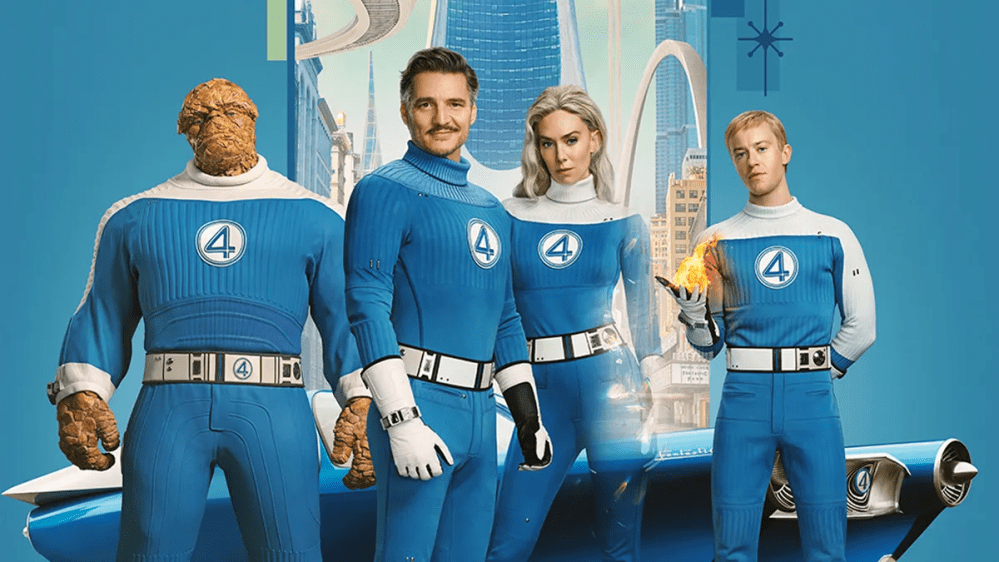
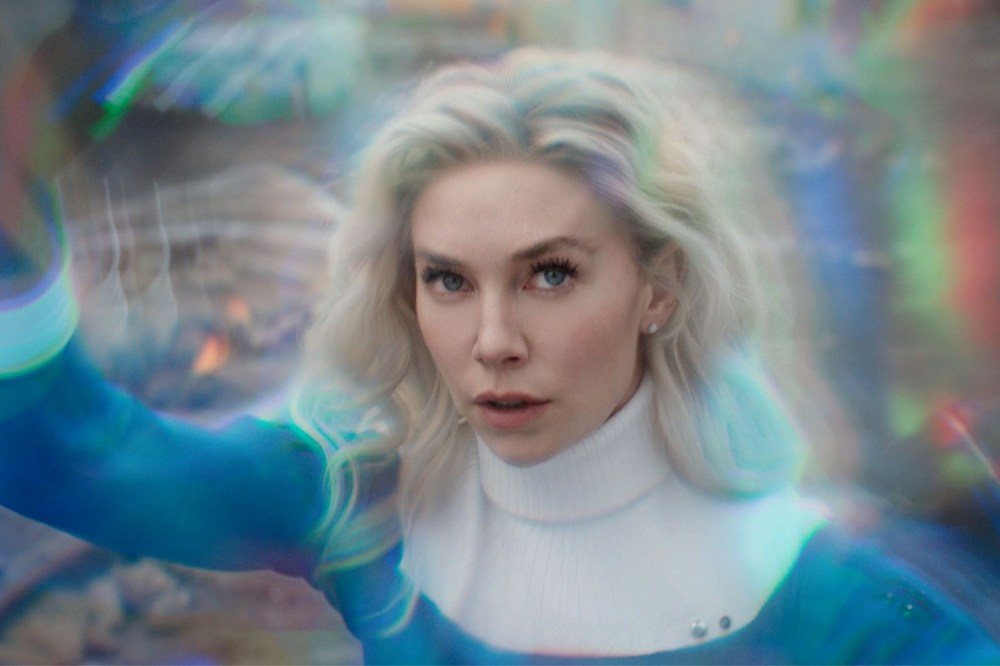
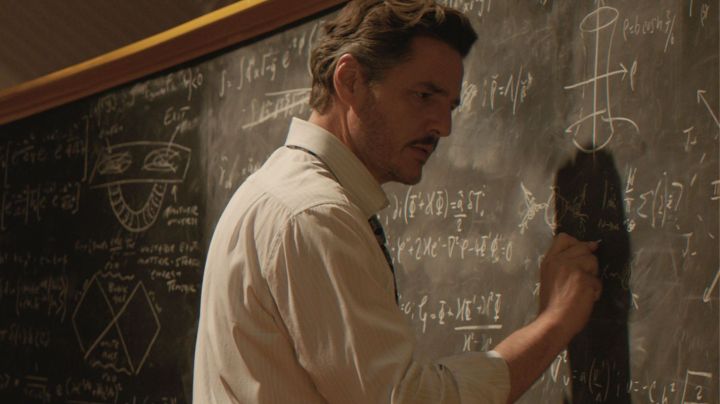
Pedro Pascal brings a cerebral quality to Reed Richards that makes his moments of hesitation feel honest rather than weak. Vanessa Kirby’s Sue Storm is the clear standout. Her scene in front of the Baxter Building, where she delivers a rallying speech to the citizens of New York, is the emotional heart of the film. She balances emotional range and leadership without falling into tired tropes.
Joseph Quinn as Johnny Storm is charismatic and funny without being obnoxious. He brings the right level of reckless energy to scenes, especially when clashing with the Surfer. And Ebon Moss-Bachrach’s Ben Grimm carries quiet strength, especially when supporting the rest of the family.
Story and Pacing
The film avoids a drawn out origin story and instead drops viewers in with a brief flashback montage. The pacing benefits. We’re off Earth and into cosmic trouble quickly. At 118 minutes, this is one of the shortest Marvel films in recent years, but it doesn’t feel slight. It’s more focused.
One of the best examples is the teleportation scene. The team tries to banish Galactus using unstable tech, and when it fails, they each improvise. It’s thrilling, practical, and showcases the team’s synergy.
The Villains and Stakes
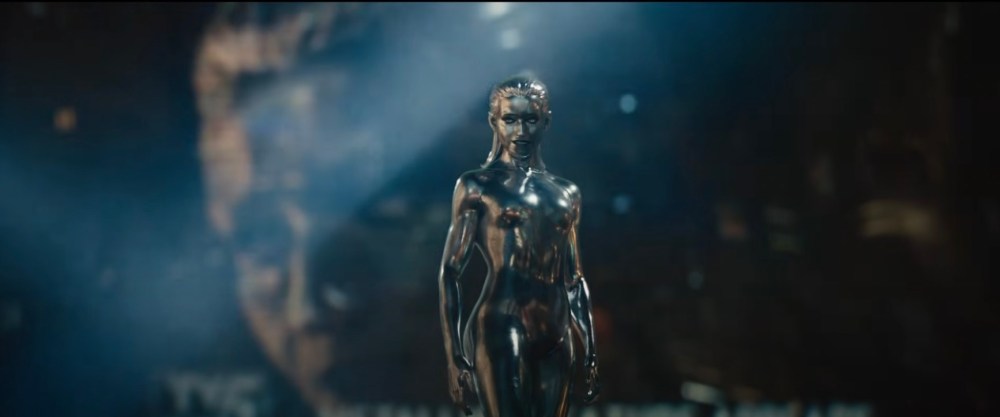
Julia Garner’s Silver Surfer, reimagined as Shalla Bal, brings a mix of gravitas and sorrow. She isn’t a villain in the traditional sense. When she is forced to recognize the planets she condemned to Galactus you feel her anguish.
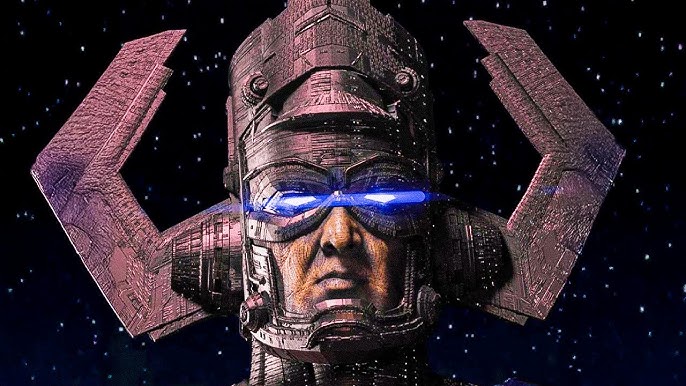
Then there is Ralph Ineson’s Galactus. Visually, he’s imposing. He wears a faithful adaptation of the Kirby-inspired armor and moves like a cosmic force of nature. Most of his impact is atmospheric. He felt more like a looming threat than a character. That’s by design, but it might not satisfy everyone.
Music and Atmosphere
Michael Giacchino’s score helps shape the tone of the film. The main Fantastic Four theme, first played as they emerge from the crashed spacecraft, is sweeping and hopeful. The score carries an emotional impact during Sue’s speech and the final fight. That’s Giacchino doing what he does best. It doesn’t just underline the moment. It elevates it.
Themes That Land
Family is more than a tagline here. The film makes time for the team to argue, support each other, and even fail together. They save people not because they’re superheroes, but because they care. It’s more powerful than any multiverse twist or CGI battle Marvel has done in a while.
Fantastic Four felt like a hopeful sci fi story from the 70s. It’s less about who punches the hardest and more about who can hold things together under pressure.
MCU Connections and Easter Eggs
There are some clever nods. A small reference to Latveria at the Future Foundation. The biggest tease comes in the mid credits scene. Four years later, we see a cloaked figure, Victor Von Doom, sitting in the Richards home with young Franklin. It’s subtle, but it sets up Avengers: Doomsday and clearly positions Doom as a future centerpiece.
Final Thoughts
Fantastic Four: First Steps is the best take on these characters yet. It doesn’t reinvent the genre, but it doesn’t have to. It just remembers what these characters are for; exploring, learning, and sticking together. It feels sincere and grounded even when it goes cosmic.
There are flaws. The CGI is spotty in some places. Reed and Ben sometimes feel unfinished. Galactus’s role may leave some wanting more. But the heart is there. And it’s earned.
My Score: 8 out of 10
A heartfelt, well-made reboot that brings Marvel’s First Family back with care and craft. Hopefully, it’s only the first step.

 gfpods.com
Leave a comment