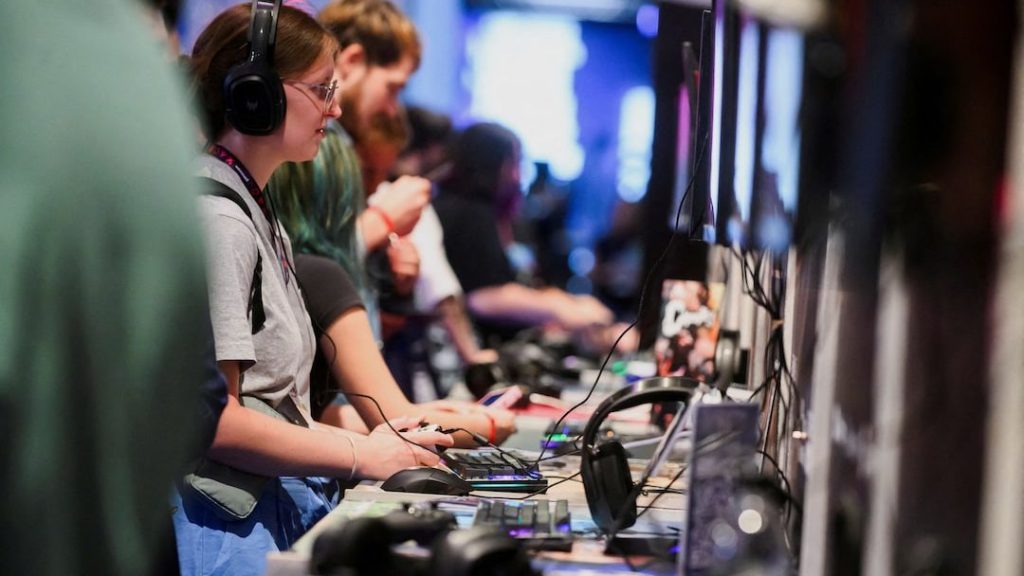
In an age where movies, books, and music are increasingly safeguarded through preservation efforts, video games—despite being a billion dollar art form—remain startlingly disposable. That reality has sparked one of the most important consumer led movements in gaming history: Stop Killing Games
Launched in 2024 by YouTuber and gaming preservationist Ross Scott, the initiative is a response to an alarming trend. Publishers have increasingly shut down online services for games, even single player ones, leaving paying customers with little more than a broken shortcut on their desktop. With digital purchases becoming the default and ownership rights remaining unclear, Scott’s initiative is pushing for something bold: a law that makes sure games remain playable even after publishers move on
What Is Stop Killing Games
At its core, Stop Killing Games is a campaign built around a single idea—if you buy a game, you should be able to play it forever. It was born out of frustration with Ubisoft’s decision to shut down servers for The Crew, a racing game that, while playable solo, required an internet connection. Once the servers went offline, the game became completely inaccessible.

This was not the first time this happened, but it was a breaking point. The Crew wasn’t an online only shooter or a multiplayer only experience. It was a racing game. Its removal wasn’t just an inconvenience. It was, to many, theft.
Ross Scott, known for his work on the YouTube channel Accursed Farms, decided it was time to act. Rather than just raise awareness, he built the initiative around a legal avenue available to European citizens: the European Citizens’ Initiative (ECI)
Why the European Citizens’ Initiative Matters
The ECI is a formal process that allows EU citizens to propose legislation. If an initiative gathers 1 million valid signatures from at least seven EU countries, the European Commission must formally review it. Stop Killing Games uses this process to push for laws that would:
- Require publishers to provide offline modes or open access to game code once servers go offline
- Preserve the functionality of games that rely on online features
- Protect consumer rights by ensuring access to purchased titles regardless of publisher support
This is not a Change.org petition. It is a legally binding request with real consequences if it hits its mark.

The 1 Million Milestone and Why It’s Not Enough
On July 3, 2025, the initiative crossed 1.07 million signatures, a historic milestone. However, Scott was quick to clarify that this was no time to celebrate.
Due to the strict rules around ECI signature validation, many entries are likely to be disqualified. Errors like missing information, incorrect country selections, or fabricated entries all lead to disqualifications. Worse, some users appear to have submitted fraudulent signatures, which could result in legal consequences, as falsifying an ECI petition is a crime in the EU.
To account for these issues, Scott raised the internal goal to 1.4 million signatures, hoping this cushion ensures at least 1 million are validated by the European Commission.
A Grassroots Movement with Big Allies
For months, Stop Killing Games hovered below its target. But in late June, Scott released a video titled “The End of Stop Killing Games”, explaining the initiative’s struggles with visibility. It was a plea for help and the gaming community responded.
Major content creators like Jacksepticeye, Cr1TiKaL, Ludwig, and others rallied their audiences. Within days, the signature count surged by hundreds of thousands. What once looked like a failed campaign suddenly seemed within reach.
Industry Pushback and Preservation Realities

Not everyone is on board. The EU trade group Video Games Europe, which represents many publishers, has pushed back on the proposal. They argue that mandatory preservation could hurt developers, compromise intellectual property, and lead to unmoderated private servers. Their stance is that while preservation is important, developers and publishers must retain control over how and when games are retired.
Scott acknowledges that preservation isn’t simple. Many games are built with complex server infrastructures, making offline versions difficult. But the Stop Killing Games movement doesn’t demand perfection. It demands effort. If a game cannot be supported, it should at least be documented, and ideally, code should be made available for preservationists to step in.
What Happens If It Works
If the ECI threshold is met, the European Commission must review the proposal. While this doesn’t guarantee a law will be passed, it opens the door for serious policy discussions.
If successful, the EU could implement laws that require:
- Continued functionality for purchased games
- Developer obligations to offer post support access options
- Transparency at the point of sale about a game’s planned lifespan
This would be a landmark shift not just for European gamers but for the global gaming industry. A successful law in the EU would set a precedent that could ripple across markets in the US, UK, and beyond.
The Broader Fight for Game Preservation
The issues raised by Stop Killing Games go far beyond The Crew. Games like Anthem, Battleborn, and even certain Dark Souls entries rely on online services that could disappear without warning. Single player experiences with DRM or cloud based authentication are just as vulnerable.
Other organizations like GOG.com have taken steps to offer DRM free versions of classic games. Preservation groups and museums continue to archive game data and source code where possible. But without legal support, these efforts remain limited.
Scott and his supporters believe that laws, not just goodwill, are necessary to preserve this art form.
A Ticking Clock
The deadline to sign the Stop Killing Games petition is July 31, 2025. As of early July, the campaign still needs hundreds of thousands more verified signatures to safely pass the 1 million validated threshold.
For Scott, this is more than a protest. It is a last ditch attempt to protect a generation’s art and ensure that future gamers can revisit the worlds and stories that shaped them.
Whether it succeeds or not, Stop Killing Games has already made history. It is the largest coordinated preservation effort in the gaming world and a symbol of what players can accomplish when they fight back.




 gfpods.com
Leave a comment