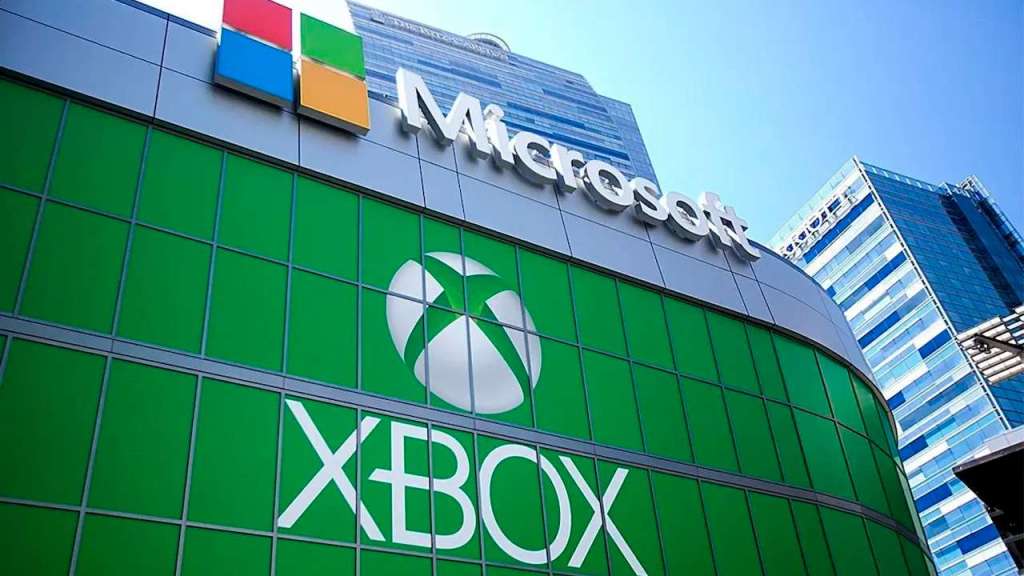
Microsoft is once again making major cuts to its gaming division, signaling a continued shake-up within Xbox and its sprawling network of game studios. According to an internal memo sent to staff by Xbox chief Phil Spencer and reviewed by IGN, the layoffs are part of a broader corporate downsizing that affects 4% of Microsoft’s global workforce — about 9,100 jobs.
The latest round hits some key studios under Microsoft Gaming’s umbrella. Candy Crush maker King was reportedly affected heavily. Multiple sources have confirmed that teams at Bethesda, including its London office, were impacted. One of the most notable casualties: Everwild, the long-awaited and often quietly developed title from Rare, which has now been canceled altogether.
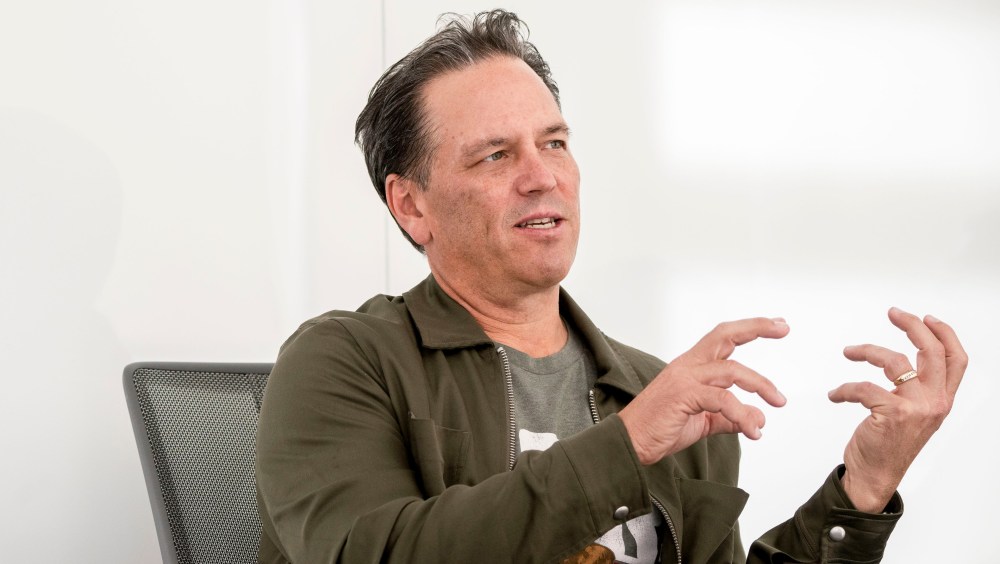
Spencer’s internal message focused on future strategy, emphasizing the need to prioritize areas with the strongest growth potential. “We must make choices now for continued success in future years,” he wrote. “We will protect what is thriving and concentrate effort on areas with the greatest potential.” But for many in the industry, it’s another reminder of how fragile things are—even at the top.
Since Microsoft acquired Activision Blizzard in 2023 for $69 billion, its gaming division has faced repeated waves of layoffs. January 2024 saw nearly 1,900 staff cut. Redfall developer Arkane Austin and Hi-Fi Rush developer Tango Gameworks were shuttered shortly after. Another 650 jobs were cut that September. In May of this year, Microsoft axed 6,000 more positions. Now, with this latest round, the total number of job losses in Microsoft Gaming over the last 18 months is staggering.
Despite those numbers, the company continues to expand its gaming portfolio. Xbox now owns some of the biggest franchises in the industry, from Call of Duty and Diablo to Halo and World of Warcraft. And with talk of next-gen Xbox consoles and a strong showing planned for gamescom, Microsoft clearly isn’t backing down from its ambitions. But those ambitions are coming at a steep human cost.
Spencer concluded his memo by thanking those impacted, calling their contributions vital and encouraging them to explore other opportunities within Microsoft Gaming. But for many, today’s news is another blow in what’s become an increasingly uncertain industry—where even the biggest brands aren’t immune to sweeping change.




 gfpods.com
Leave a comment