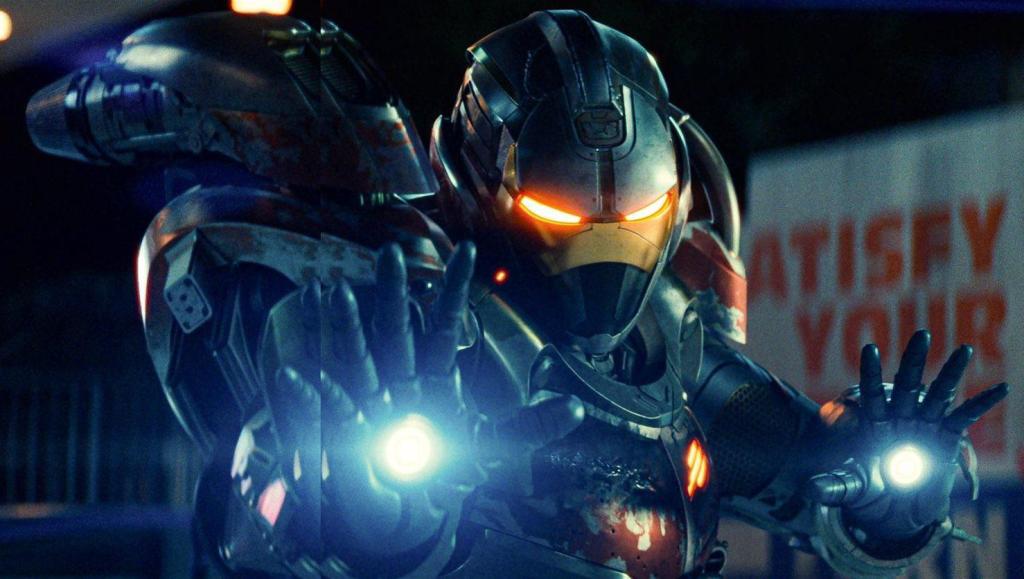
Marvel’s Ironheart is finally here, giving Riri Williams her own spotlight after her introduction in Wakanda Forever. The studio dropped the first three episodes all at once on Disney+, which usually sets off alarms. In this case, the concern is justified. These opening episodes show real potential, but they’re weighed down by clunky writing, uneven pacing, and a supporting cast that doesn’t quite feel alive.
Let’s break it down.
A Rocky But Necessary Start
The show kicks off right after Wakanda Forever, with Riri getting booted from MIT and returning home to Chicago. From the jump, the tone is mixed. We get flashes of cool Iron Man–inspired tech and some meaningful nods to her trauma and family history, but a lot of it is glossed over. Episode 1, “Take Me Home,” does a decent job connecting the dots, but feels more functional than emotional.
The show assumes you’ve seen Wakanda Forever. Without it, you’d be completely lost on who Riri is and why she matters.
Episode 2 Loses Momentum
“Will the Real Natalie Please Stand Up?” spends a lot of time with Riri’s AI companion Natalie—a digital reconstruction of her late friend. The idea is solid: grief given form, memory driving action. But the writing makes Natalie feel like a robot trying to act human, instead of an echo of a real person. It’s not until Episode 3 that their relationship finally clicks.
Also in Episode 2, we meet Zeke, a new character who feels awkwardly written and miscast. The dialogue is clunky, his motivations are unclear, and his connection to the larger story doesn’t land. There’s a hint of his dark side early on, but it’s broadcast so obviously that the eventual “twist” won’t surprise anyone. It’s Marvel by numbers.
Episode 3 Finally Finds a Pulse
By Episode 3, “We In Danger, Girl,” things finally start to come together. The stakes get higher, the heist format works, and the Hood (Parker Robbins) becomes the standout character. Anthony Ramos brings a ton of charisma to the role, and his scenes are easily the most compelling of the series so far.
The episode leans into Parker’s demonic contract with Mephisto—yes, that Mephisto—and sets the stage for what could become a huge piece of Phase 5 or 6. Every time Parker uses his powers, his body changes. Tattoos, darkened eyes, whispers in the dark—it’s all there. The MCU has been teasing Mephisto for years. This is the clearest sign yet.
And unlike other characters, Parker feels grounded. When he says “no, we want the contracts, not the cash,” you can feel the deal with the devil behind it. It’s smart, creepy, and opens up a lot of doors for Marvel’s hell-based stories—Ghost Rider, Midnight Sons, Doctor Doom’s origin. Take your pick.
What Works and What Doesn’t
The Good:
- Anthony Ramos is the MVP. He owns every scene he’s in.
- Dominique Thorne brings depth to Riri, even when the material doesn’t fully support her.
- The visual effects, especially for Riri’s suit, are top-tier.
- Chicago as a setting is a welcome change from the usual MCU locations.
- Episode 3’s heist structure is clean and entertaining.
The Bad:
- Too many characters feel like NPCs—flat and forgettable.
- Dialogue often sounds artificial, especially in quieter scenes.
- Episode 2 is slow, awkward, and hard to follow.
- CGI for the Hood’s invisibility sequences is rough.
- Stark references feel forced and unearned.
Final Thoughts
This feels like a project caught between two visions. It was likely planned as a film, then chopped up into a series during Marvel’s “throw everything at Disney+” phase. You can tell. The pacing is off, some scenes drag, and character arcs feel half-baked.
That said, the core of the show—Riri’s grief, her intelligence, and her fight for identity—is strong. The addition of Mephisto raises the stakes in a big way, and if Marvel leans into that supernatural arc, Ironheart could become one of the more meaningful entries in this new era.
Score So Far: 3 out of 5
There’s enough here to keep watching. Let’s just hope the next three episodes stick the landing.


 gfpods.com
Leave a comment