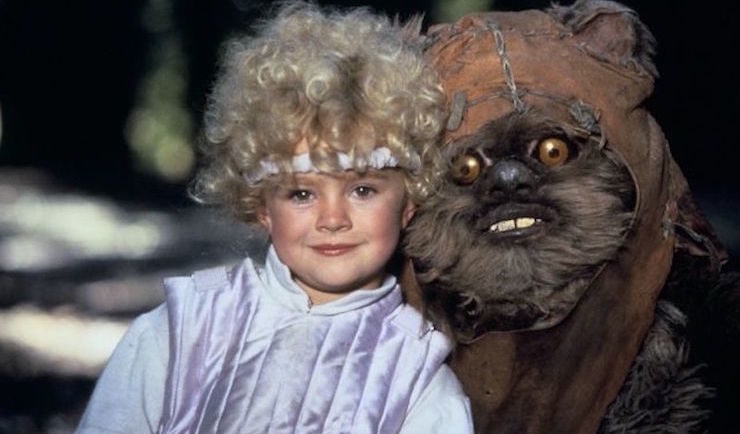
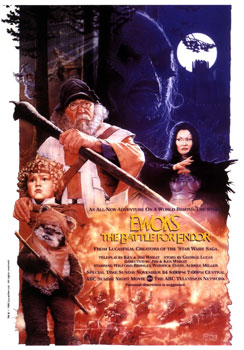
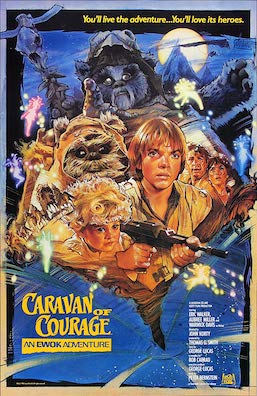
When most fans think of Star Wars visual innovation, they picture lightsaber duels or the Death Star trench run. But tucked between the original trilogy and the prequels are two made-for-TV Ewok movies, Caravan of Courage (1984) and Battle for Endor (1985), that quietly pushed the boundaries of what special effects could do on a television budget.
On the latest episode of Fandom Portals, hosts Aaron and Brasher revisited these often-overlooked entries in the Star Wars universe, praising not just their nostalgic charm but also the technical ambition behind them. And surprisingly, they’re right. These films helped plant the seeds for visual effects techniques that are still used today.
A Lucasfilm Testing Ground
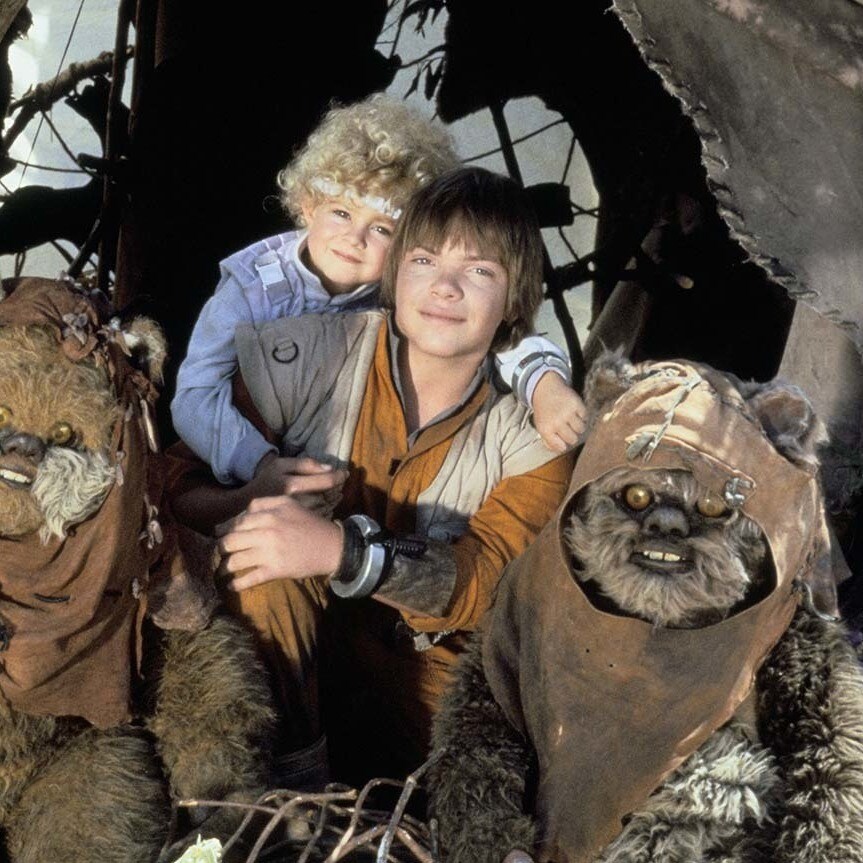
George Lucas did not just hand off these Ewok adventures to someone else. He helped shape the story himself, viewing the projects as experiments. As Fandom Portals points out, these films were created to see if Star Wars could succeed without lightsabers or the Force. But there was another layer to the experiment, testing how Industrial Light & Magic (ILM), Lucas’ own VFX studio, could achieve cinematic visuals on a television budget.
ILM had to get creative. Without blockbuster-level funding, the team employed old-school techniques like forced perspective to portray towering monsters and miniature Ewoks in the same shot. This technique, placing actors and props at carefully calculated distances from the camera, would later become a signature of The Lord of the Rings trilogy, where it was used to convincingly depict the size difference between Hobbits and humans.
Pioneering Practical Effects and Stop-Motion
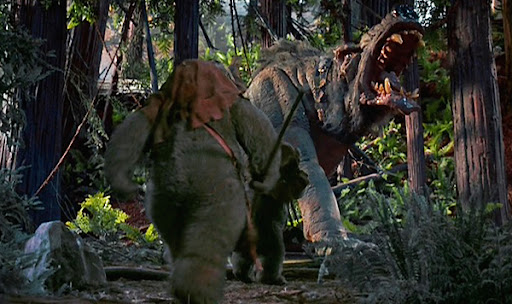
Another standout from the Ewok movies is the use of practical creature effects and early stop-motion animation. The towering Gorax from Caravan of Courage was brought to life using a combination of scale models and camera tricks, a feat that is impressive even by today’s standards.
While the stop-motion movements may seem rough now, as the podcast hosts humorously admit, they were part of a broader legacy. These techniques bridged the gap between Ray Harryhausen-style fantasy films and the smoother digital animations we now take for granted.
Matte Paintings and Miniatures That Rival the Originals
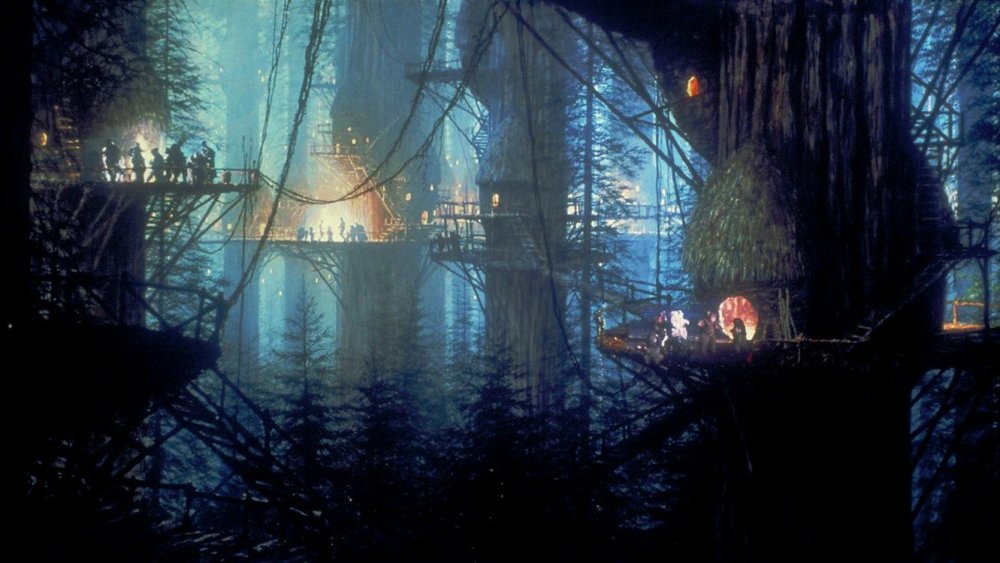
Despite being TV movies, Caravan of Courage and Battle for Endor used techniques seen in the Star Wars theatrical releases, including matte paintings to create alien landscapes and miniatures for vehicles and structures. These were executed with enough quality to earn both films Emmy Awards for Outstanding Visual Effects in 1985 and 1986, respectively.
It is easy to forget just how revolutionary these methods were in the early 80s, especially when deployed for a home audience. But as Aaron and Brasher highlight, ILM’s ability to stretch a small budget showed how far visual storytelling could go, even outside the theater.
A Legacy That Echoes Through Hollywood
While Caravan of Courage and Battle for Endor may not be considered canon by Disney, their influence still echoes. ILM, founded by George Lucas, went on to work on Jurassic Park, Pirates of the Caribbean, Iron Man, and many more. The same studio that used forced perspective for Ewoks refined the technique to make Frodo and Gandalf share a believable scene.
So while Ewok movies might not make most people’s essential Star Wars watchlists, their contribution to the evolution of special effects is undeniable. As Fandom Portals reminds us, sometimes the most forgotten stories hide the biggest innovations.
Sources:
- https://www.starwars.com/databank/ewoks-the-battle-for-endor
- https://www.ilm.com/about/
- https://www.syfy.com/syfy-wire/star-wars-ewok-movies-vfx-impact
- https://screenrant.com/star-wars-ewok-movies-canon-impact-explained/
- https://www.imdb.com/title/tt0087225/
- https://www.emmys.com/awards/nominations/award-search?search_api_views_fulltext=Caravan%20of%20Courage
Want to hear more about how forgotten films shaped your favorite fandoms? Check out the full episode of Fandom Portals where Aaron and Brasher take a nostalgic and insightful journey through the forests of Endor.




 gfpods.com
Leave a comment