
YouTube is taking a firm stance against misleading AI-generated movie trailers by suspending monetization on several high-profile channels. The platform has removed Screen Trailers and Royal Trailer from its partner program. Both are alternative accounts connected to the creators of Screen Culture and KH Studio, two of the biggest names in fake trailer content on YouTube.
This decision follows a growing concern over the rise of concept trailers that use AI to create convincing yet completely fictional previews for upcoming films. These trailers often mimic real movie marketing and trick fans into believing that new blockbusters are on the way. With titles like The Fantastic Four: First Steps or fantasy casts like Henry Cavill and Margot Robbie starring in a James Bond film, these channels regularly stir excitement around projects that do not exist.
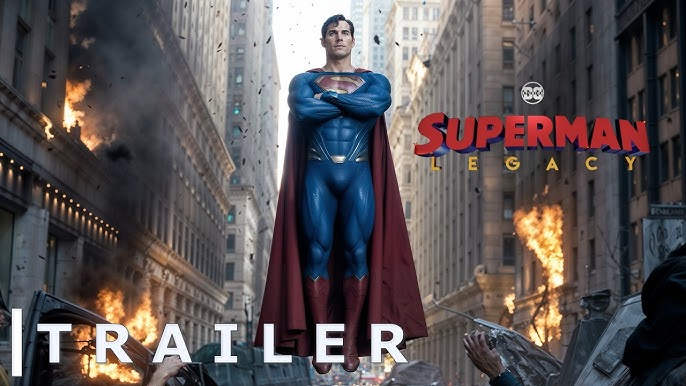



Screen Culture and KH Studio were already removed from the partner program earlier this year. Together, their networks reach millions of subscribers. Screen Culture alone has 1.4 million followers. KH Studio is not far behind with over 700,000. Their spin-off channels, which still had significant followings, were quietly earning ad revenue until YouTube took action.
In a statement, YouTube said it applies enforcement to all accounts associated with a creator if a violation occurs. That includes suspension from monetization if content breaks guidelines related to originality and manipulation. YouTube’s policy clearly states that reused content must be significantly transformed. Content that is misleading or designed solely to chase views is not allowed.
What makes this issue even more complex is that some studios were claiming ad revenue from the videos rather than removing them. Warner Bros. Discovery and Sony were among those reportedly collecting income from trailers featuring their properties. Neither studio commented on the decision. However, the move did not sit well with SAG-AFTRA, the union representing actors and performers. In a public response, they criticized studios for profiting from manipulated content that uses AI and real human likenesses.
“This kind of monetization is a race to the bottom,” said SAG-AFTRA. “It prioritizes short-term profits over real creative work and the people behind it.”
YouTube’s crackdown comes at a critical moment. AI tools are evolving rapidly, and their misuse in media can erode trust. While fans love speculating on future films, the growing realism of fake trailers makes it hard to separate fun concepts from genuine announcements. By targeting the monetization structure, YouTube is sending a message that misleading content will not be rewarded.
For creators, it is a reminder to focus on transparency and originality. For viewers, it is a step toward a more honest and trustworthy platform.
Sources: Deadline








 gfpods.com
Leave a comment