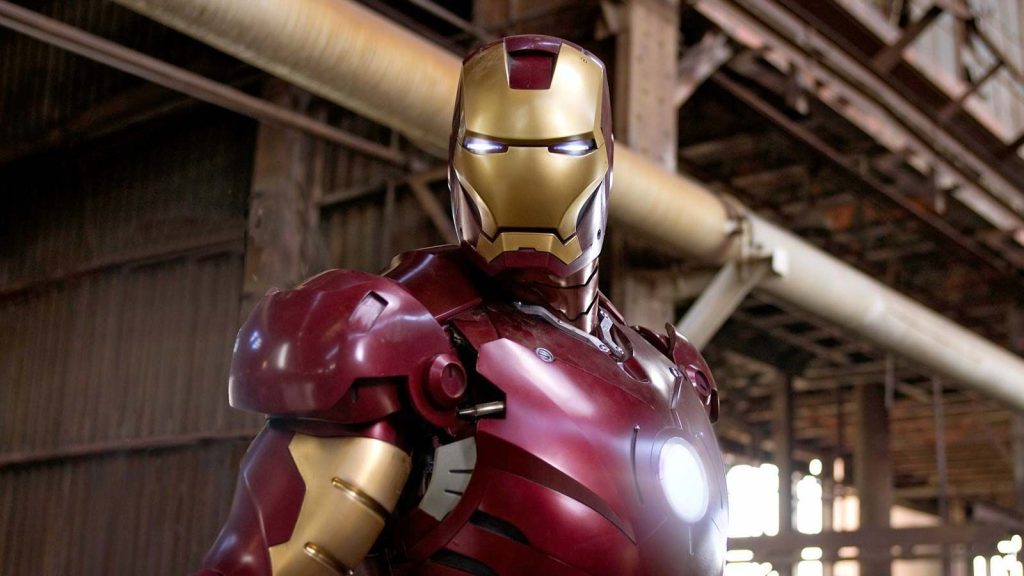
Before Iron Man took off in 2008, Marvel Studios was teetering on the edge of collapse. Most of their iconic characters — Spider-Man, the X-Men, and the Fantastic Four — were owned by other studios. Their comic sales were struggling. Their future as a major entertainment force was anything but guaranteed.
So, Marvel bet everything on a character few outside comic book circles knew: Tony Stark. And, as discussed on The Fandom Portals Podcast, it wasn’t just a creative leap — it was a financial one that could have ended Marvel permanently.
The Risk of a Lifetime
In 2005, Marvel secured a $525 million loan from Merrill Lynch. But the deal came with a catch: if the movies failed, the studio would forfeit the film rights to its remaining heroes — including Thor, Captain America, and Iron Man. That meant Iron Man had to succeed, or there would be no MCU as we know it today.
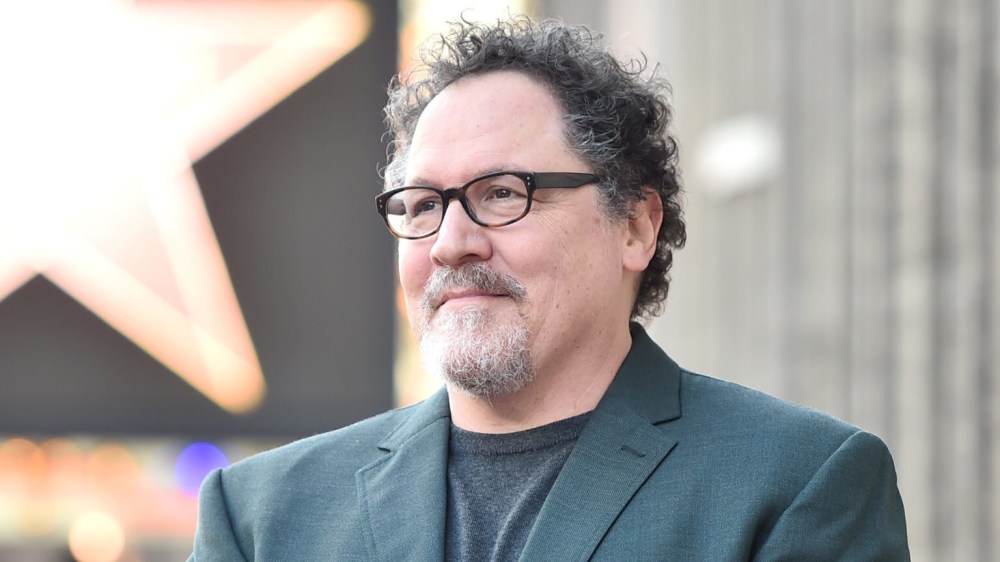
Even more shocking was who Marvel cast as the lead. Robert Downey Jr., at the time, was still seen as a risky choice due to his well-publicized struggles with addiction. According to the Fandom Portals hosts, Jon Favreau fought for Downey precisely because his real-life redemption story mirrored Tony Stark’s arc. “The best and worst moments of Robert’s life have been on display in the public eye,” they quoted Favreau saying, noting the depth he could bring to the role.
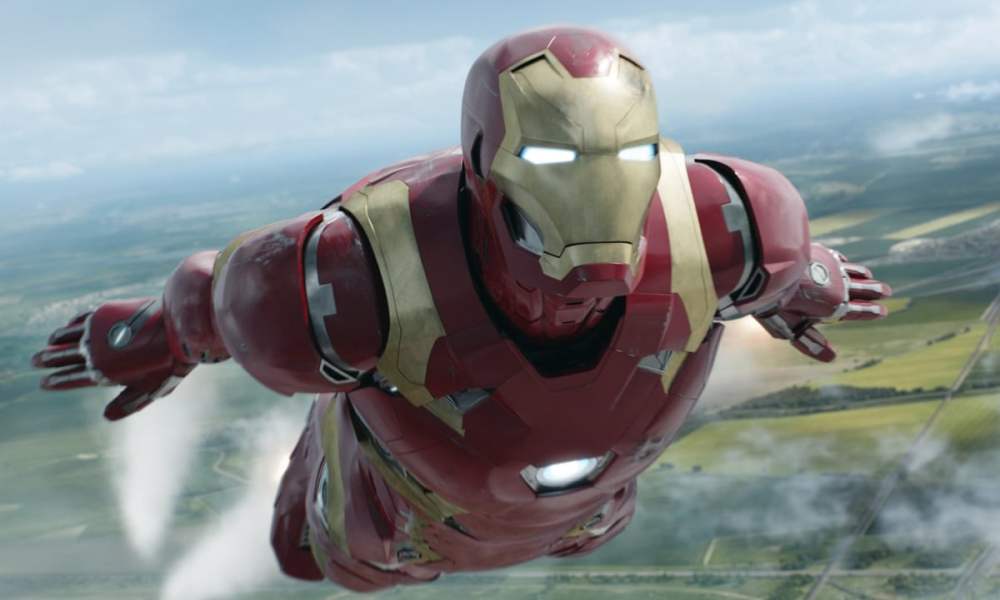
From Underdog to Icon
The podcast episode also highlights how Iron Man‘s success was far from guaranteed. The character was a B-lister, the studio was new, and the production leaned heavily on improvisation, something veteran actors like Jeff Bridges initially found uncomfortable. But that creative looseness helped the film feel fresh — and it worked.
Opening to $98 million and eventually grossing over $585 million worldwide, Iron Man was more than a hit. It was a phenomenon that redefined superhero cinema.
A New Blueprint
The Fandom Portals Podcast emphasizes that what made Iron Man so successful wasn’t just the effects or action — it was the grounded approach. The U.S. military’s cooperation gave the film real-world weight, and the internal character conflict gave it heart. As the hosts note, this wasn’t just about a guy in a suit. It was about a broken man building something better — both metaphorically and literally.
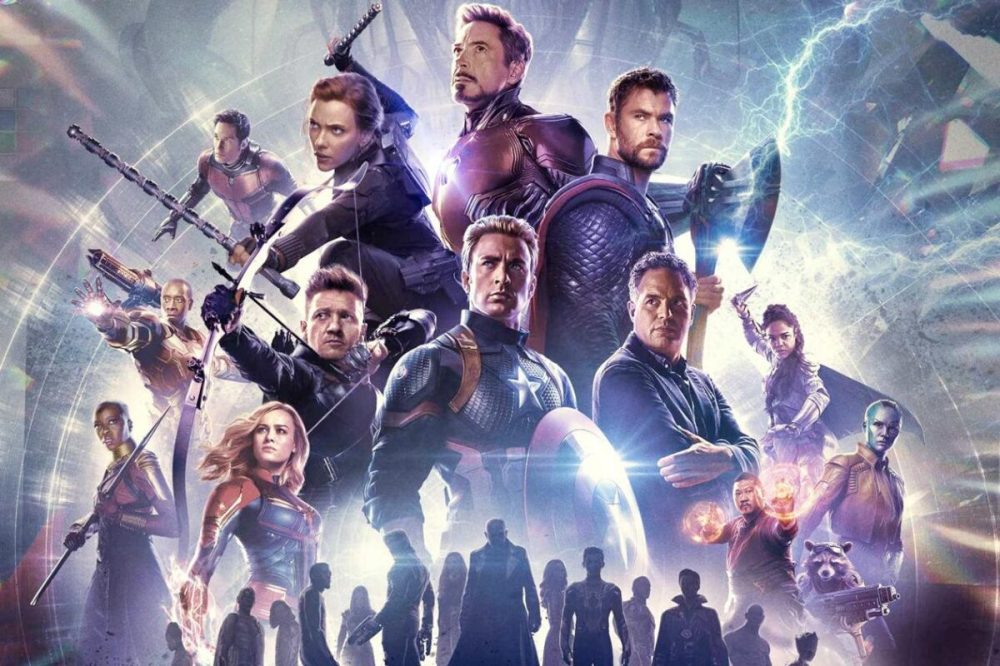
If Iron Man had flopped, Marvel might have lost the rights to its last major characters. Instead, it became the cornerstone of the MCU, now a multibillion-dollar franchise spanning dozens of interconnected stories.
Iron Man wasn’t just a good movie — it was a hail mary that scored.

 gfpods.com
Leave a comment