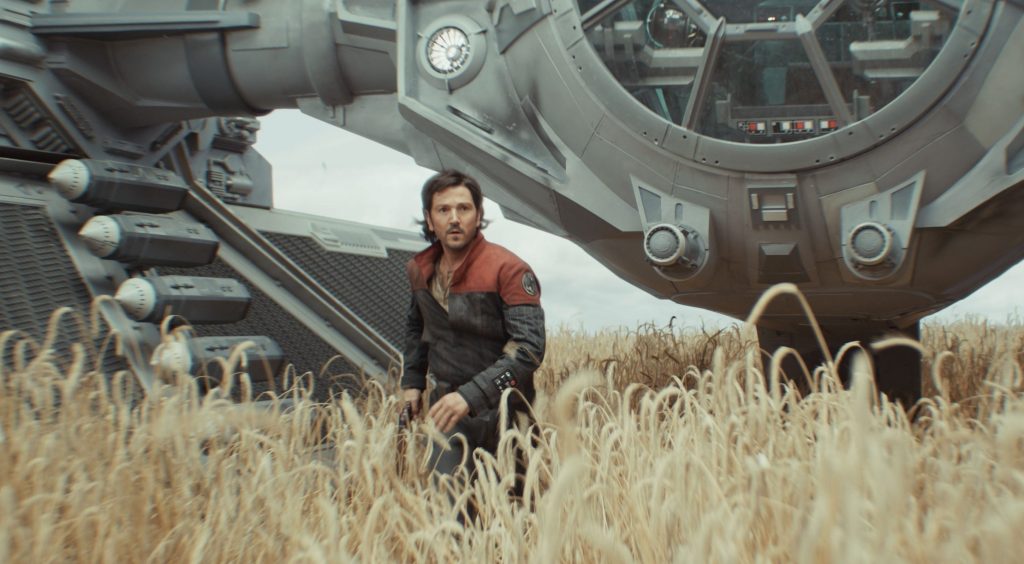
Andor Season 2 wastes no time plunging back into the morally complex world it built in Season 1. The first three episodes pick up with the same rich atmosphere, sharp writing, and emotionally grounded performances that made the show a standout in the Star Wars universe. Rather than big set pieces or lightsaber duels, Andor leans into political intrigue, quiet intensity, and personal stakes, and once again, it works.
Let’s break down what’s happening across these first three chapters and why this return to the rebellion hits so hard.
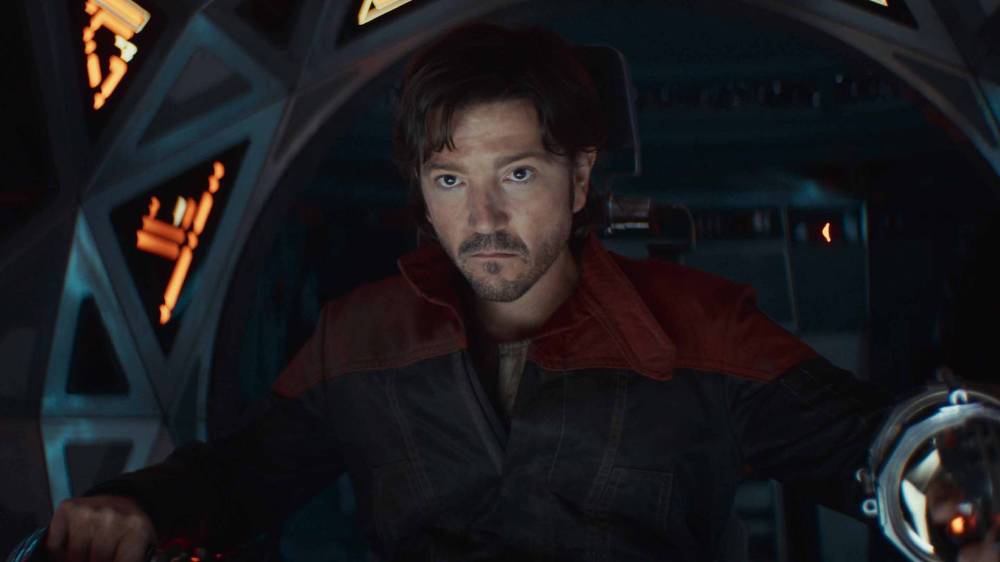
Cassian Andor Still the Reluctant Hero, Now with More Heart
Cassian Andor has always been a character who acts out of necessity, not glory, and these episodes reinforce that. We find him trying to navigate the dangers of a covert mission while carrying the emotional weight of past decisions. What stands out is how his interactions show a side of Cassian we didn’t see much in the first season: empathy.
In the middle of an infiltration at an Imperial base, Cassian forms a connection with a younger, nervous rebel contact. It’s a small thing, encouraging him, keeping him steady, but it reminds us that Cassian’s strength lies not just in survival, but in his ability to lead with a sense of humanity. That’s something his mentor Luthen lacks. Luthen is ruthless, willing to let others fall for the bigger picture, while Cassian still holds onto the importance of individual lives. Their dynamic feels like two sides of the same revolutionary coin.
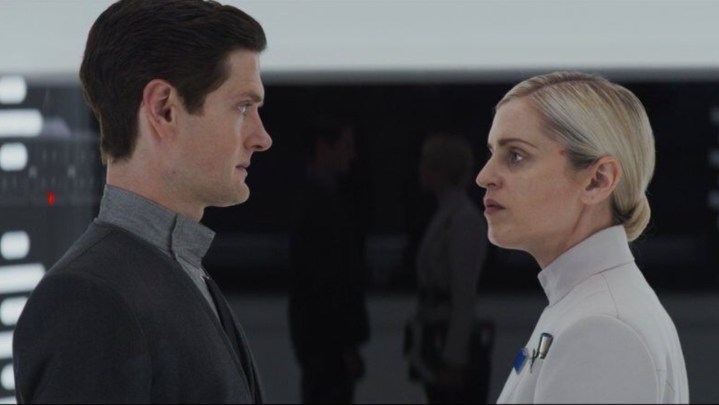
Dedra and Syril The Empire’s Most Uncomfortable Duo
One of the most unexpected highlights so far is the strange partnership between Dedra Meero and Syril Karn. Separately, they were already unsettling, each obsessed with climbing the ranks in an unforgiving system. But together, it’s awkward, eerie, and kind of fascinating.
Their scenes often play out like office drama from hell, two people clinging to ambition in a system that doesn’t care about them. And yet, there’s something deeply human beneath their harsh exterior. When Dedra subtly defends Syril to his overbearing mother, it hints at a bond between them that’s hard to define. It’s not romance in the traditional sense, but there’s definitely something brewing, something that adds a layer of unpredictability to their roles in the Imperial machine.
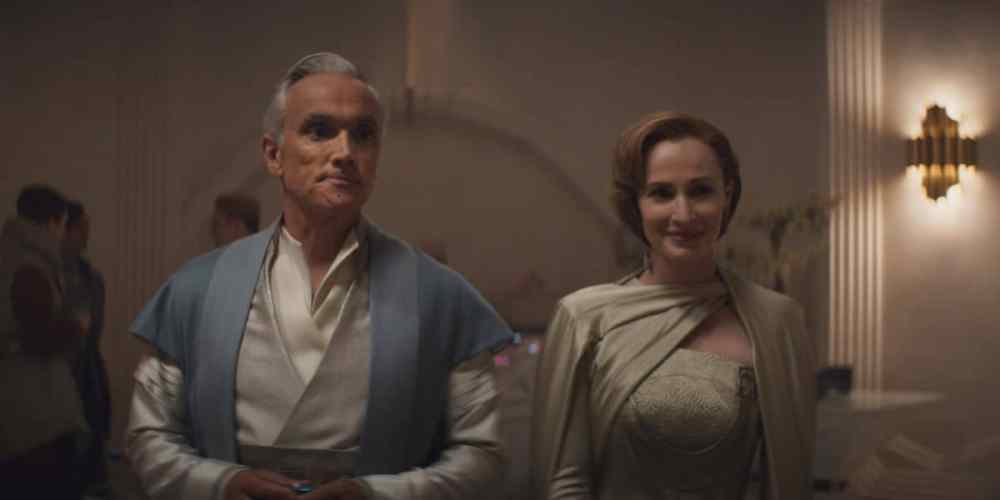
Mon Mothma Living on a Razor’s Edge
If there’s one character who quietly steals every scene she’s in, it’s Mon Mothma. Her storyline feels like it belongs in a high-stakes political thriller, full of subtle tension and impossible decisions.
Mon is doing her best to maintain her Senate position while secretly funding and organizing a rebellion. She’s constantly playing both sides, smiling in public, sweating in private, and you can see the toll it’s taking. Her latest dilemma involves a close friend who pressures her into a morally questionable political alliance. It’s essentially blackmail, and it shakes Mon’s already fragile sense of control.
What’s powerful here is how the show paints her struggle not as dramatic outbursts, but in small, careful moments. The way her eyes shift during a conversation, the pauses in her dialogue, everything about her performance says this is a woman waiting for the moment when she can’t stay hidden anymore.
The Pacing Yes, It’s a Slow Burn and That’s Intentional
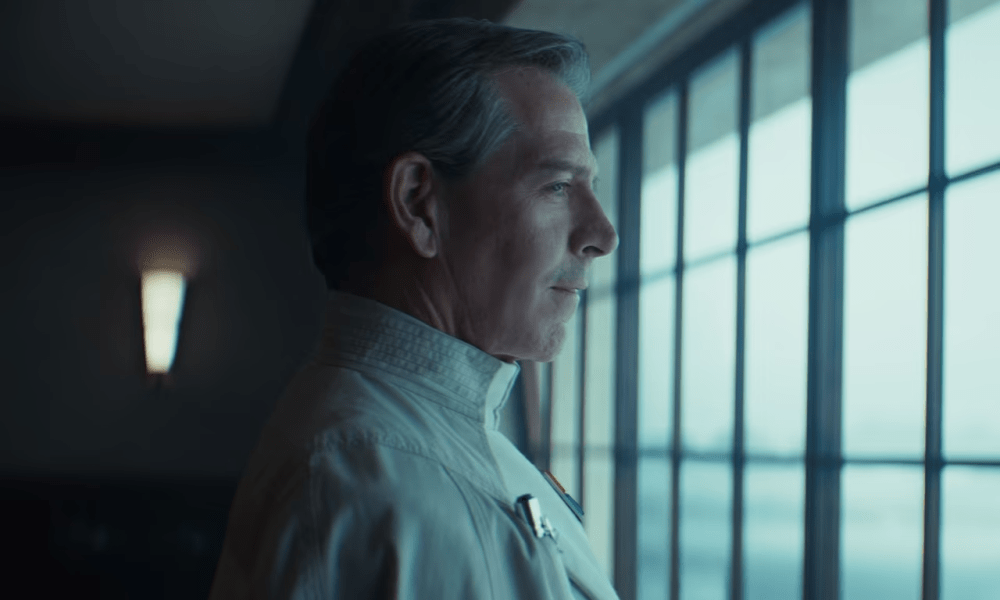
Let’s talk structure. Andor is not a show that rushes to explosions or twists. It plays the long game, and these first three episodes make that clear. The second episode, in particular, feels more like a bridge than a destination. Some might find it slow, but when viewed in a three-episode block, the pacing starts to make sense.
That said, not every storyline lands the same. Cassian’s time as a reluctant prisoner felt stretched, and it could’ve moved a little faster without losing the emotional beats. Still, this is a show built for streaming marathons, not weekly watercooler moments. Watching in clusters gives the full effect of the tension, the payoff, and the emotional layering.

What Makes Andor Stand Out Depth, Not Spectacle
Where most Star Wars stories draw clear lines between heroes and villains, Andor lives in the gray. It’s not about Jedi or Sith. It’s about ordinary people stuck in the gears of a fascist machine, trying to find meaning, hope, or just survival.
What makes it so compelling is how it handles these perspectives with care. We meet people on both sides of the conflict, Imperials, Rebels, bystanders, and the show allows them space to breathe. It doesn’t glorify the rebellion or demonize every officer. It shows a galaxy where everyone is just trying to make it through the day, and some choose to fight back.
That level of detail and emotional honesty is rare in this genre. It gives weight to every conversation, every decision, every sacrifice. And it makes the stakes feel real in a way that’s grounded, not just grand.
Final Thoughts
The first three episodes of Andor Season 2 don’t just continue the story, they deepen it. This series remains one of the most thoughtful and mature entries in the Star Wars universe. It respects the intelligence of its audience, trusts its characters to carry the drama, and continues to explore rebellion not as a fantasy, but as a messy, painful, necessary fight.
For anyone looking for big lightsaber battles, this isn’t the show. But if you want to see what rebellion really looks like, up close, with all its cracks and contradictions, Andor delivers.








 gfpods.com
Leave a comment