SPOILERS AHEAD
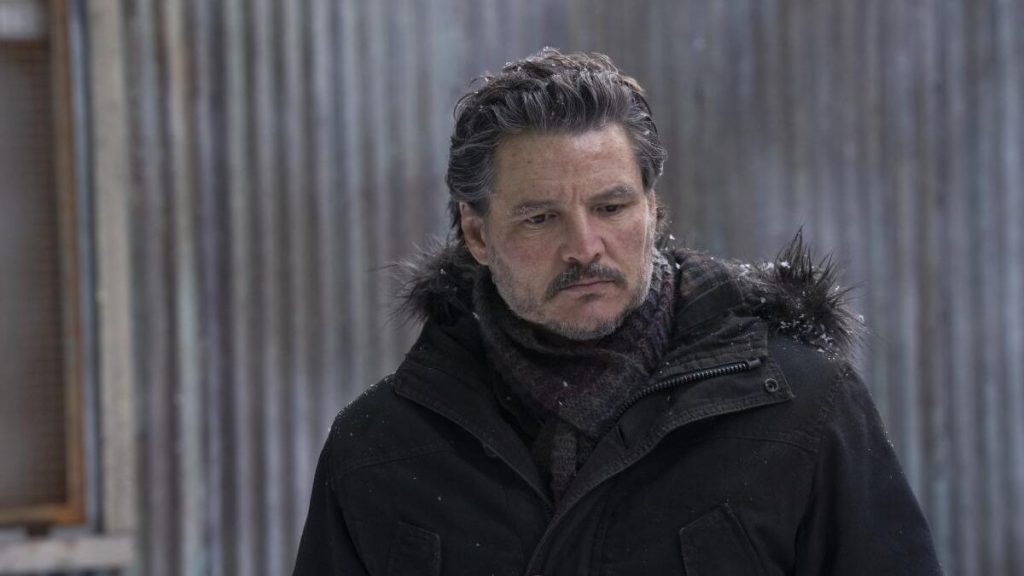
The Last of Us has never been shy about confronting its audience with pain. In Episode 2 of Season 2, titled “Through the Valley,” the series delivers what is arguably one of the most shocking moments in modern television: Joel’s brutal death. Even for longtime fans who played the game and knew it was coming, the impact was no less devastating. For newcomers in the room with me, disbelief hung in the air. This was the kind of moment you might expect as a midseason climax or even a finale, but instead, it arrives early, swift, and cold. That choice was intentional and effective.
A Painful Reflection
Joel’s death was abrupt, messy, and emotionally scarring. It felt wrong, which is exactly why it worked. The showrunners weren’t just trying to surprise us. They were forcing us to confront the same grief and rage Abby feels about the death of her father. That emotional symmetry is at the heart of this story, and this episode captures it with precision. Joel wasn’t a perfect man, and his past decisions cast long shadows. This moment, however painful, is the beginning of a narrative about the consequences of violence and the dangerous cycle of revenge.
Abby’s Perspective and the Dual Narrative
One of the major strengths of this episode is its commitment to presenting both sides. Abby isn’t a caricature or a simple villain. Her actions are monstrous, yes, but they come from a place of loss. The series is leaning hard into her grief and her motives. While not everyone will be ready to see her side right away, the foundation is being laid for a story that challenges the audience to see humanity in all its complexity.
It’s a bold choice to give Abby so much focus so early in the season. That decision works. The writing is starting to carve out a path that doesn’t just justify her actions but helps us empathize with them, even if we’re not ready to forgive her yet.
The Jackson Attack Raises the Stakes
Another standout moment in the episode is the infected assault on Jackson. This entire sequence felt like a season finale in terms of scope and execution. It was thrilling, terrifying, and brutally chaotic. More importantly, it served a narrative purpose. It wasn’t just an action set piece. It was a consequence. Abby’s decision to lure Joel into that trap sets off a chain reaction, and now the entire community pays the price. It was a reminder that in this world, revenge rarely ends where it begins.
Ellie’s Grief and Growing Darkness
Watching Ellie process Joel’s death was heartbreaking. Their relationship had only just begun to heal after years of tension, and that thread was cut before they could fully reconcile. What’s left is a raw, festering wound. Bella Ramsey captures that hurt with haunting precision. The shaky hands, the numb silence, the eventual breakdown all tell a story of loss. You can already see the seeds of vengeance taking root in her, mirroring Abby’s own rage from years earlier. The cycle is turning.
A Faithful Yet Evolving Adaptation
As someone who knows the game well, I was impressed with how the series balances faithfulness with thoughtful expansion. Joel’s death, the structure of Abby’s introduction, the intensity of Jackson’s attack—these choices all feel deliberate. And while some fans might have wanted more time before losing Joel, the pacing of the show makes a clear statement. This is not his story anymore. This is Ellie’s story. This is Abby’s story. And we’re being asked to sit with that discomfort.
As more time is spent with Abby, I expect that discomfort to shift toward understanding. That is the power of The Last of Us. It does not just ask you to watch. It asks you to feel, even when it hurts.








 gfpods.com
Leave a comment