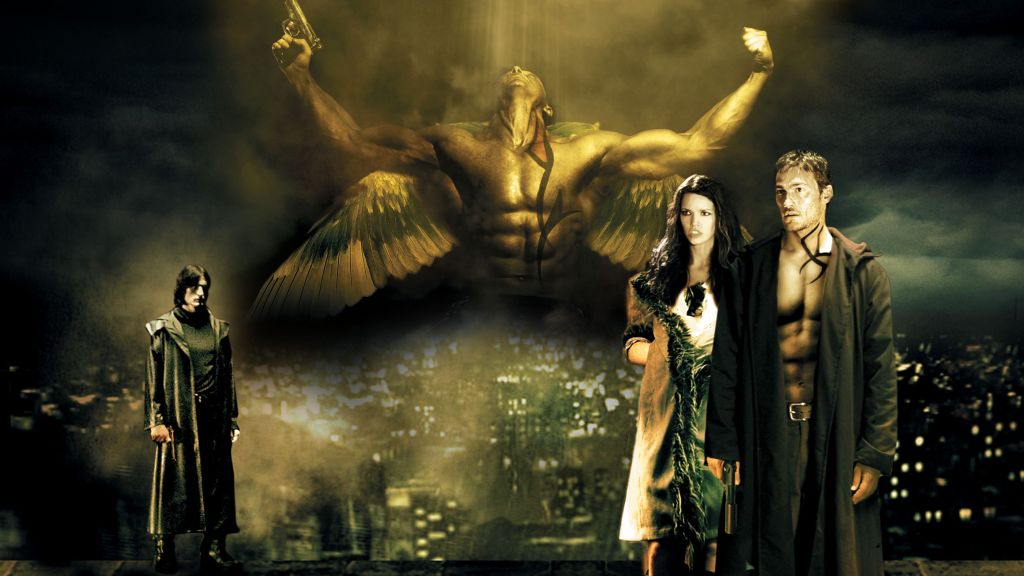
In the vast landscape of fantasy cinema, Gabriel (2007) stands out—not because of its Hollywood flair or mega-franchise status—but because it dared to defy the odds. Directed by Shane Abbess and starring the late Andy Whitfield, Gabriel is a bold Australian indie that turned a meager AUD $200,000 budget into a cult hit, blending gothic visuals, biblical warfare, and raw determination.
A Vision Beyond the Norm
Australian cinema isn’t typically known for supernatural thrillers. In the mid-2000s, the landscape leaned toward family dramas, cultural explorations, and wartime retrospectives. So when Gabriel emerged as a dark, stylized war between angels and fallen in purgatory, it was instantly distinct. As the hosts of the Fandom Portals podcast pointed out, it looked nothing like traditional Aussie fare—it had the visual tone of something closer to Underworld or The Crow.
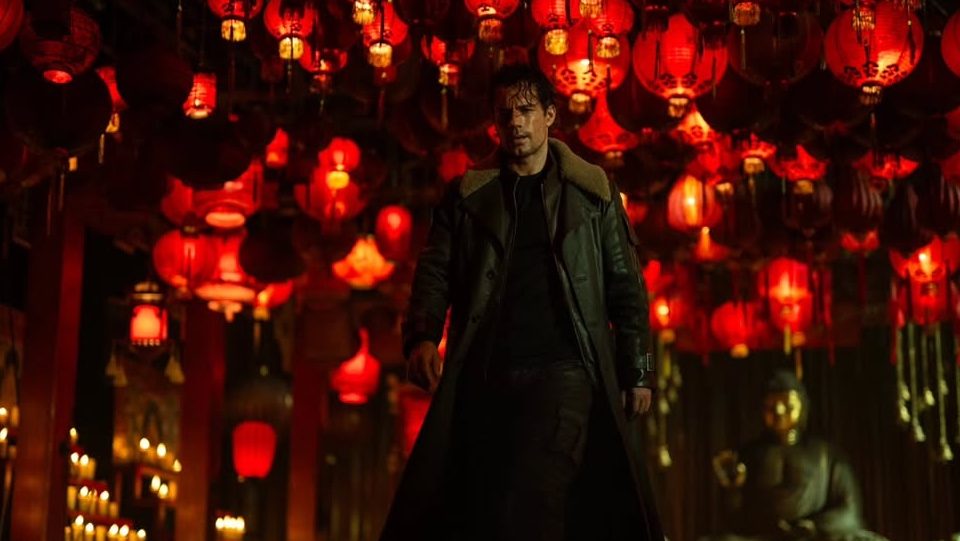
Shane Abbess, the film’s director and co-writer, envisioned a world of eternal dusk where light and darkness literally warred over the souls of the dead. His portrayal of purgatory—industrial, decayed, and claustrophobic—was filmed almost guerrilla-style around Sydney, utilizing abandoned buildings, tight camera angles, and minimalistic design to create the illusion of a sprawling, doomed city.
The Power of Passion
The road to completion wasn’t smooth. Just three days before filming, the production lost its insurance, nearly derailing the entire project. With limited options, the team scrambled, securing a new insurer at triple the original cost. Crew members worked on deferred pay, and even meals were handled creatively, with Australian bakery chain Bakers Delight providing end-of-day bread to feed the cast and crew.
Despite those hurdles, what shines through is passion. From the method acting of Dwayne Stevenson (who originally was meant to play Gabriel but ultimately portrayed the intense antagonist, Samael/Michael) to Harry Pavlidis’s immersive portrayal of the broken angel Uriel—who lived in a caravan in a national park to prepare for his role—the film thrived on its team’s commitment.
Visual Style on a Shoestring
While Gabriel lacks the polish of a big-budget blockbuster, it compensates with bold stylistic choices. A signature blue-gray palette casts a shadowy gloom over the entire film, enhancing the mythic atmosphere. The CGI, though clearly limited by budget, serves its purpose—especially in cityscapes and the climactic rain-soaked rooftop battle, which used literal garden hoses to simulate rainfall. That scene also led to Andy Whitfield contracting hypothermia, a testament to the cast’s endurance.
One digital effect that still draws discussion is the attempted “bullet time” scene, reminiscent of The Matrix. It’s rough around the edges, but the ambition behind it is undeniable. And in an industry where glossy CGI often overshadows storytelling, Gabriel’s grit is oddly refreshing.
The Legacy of Gabriel
Financially, the film punched above its weight, grossing over $1.4 million USD—nearly seven times its budget. But more importantly, it carved out a space for Australian genre filmmaking. It dared to be different, and in doing so, inspired fans and future creators alike.
The Fandom Portals podcast noted how Gabriel might have fared even better as a TV series. Its world is rich with mythology—the arcangels and fallen, the blurred lines of morality, the toll of spiritual warfare. These elements beg for deeper exploration, something a serialized format could provide.
But even as a standalone film, Gabriel is a triumph of passion over production value. It’s a story that reminds us how creativity, resilience, and belief in a vision can bring something powerful into the world.

 gfpods.com
Leave a comment