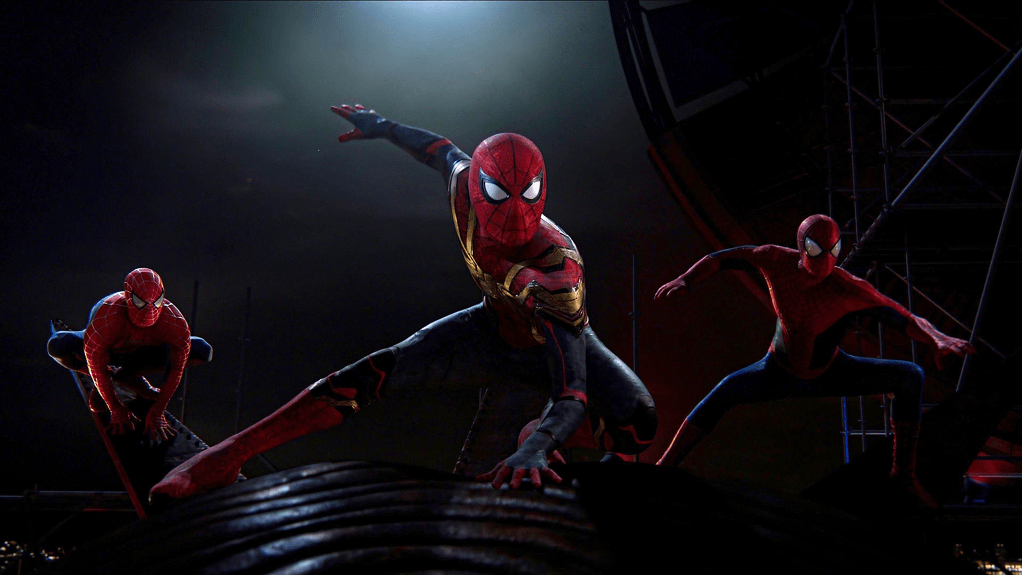
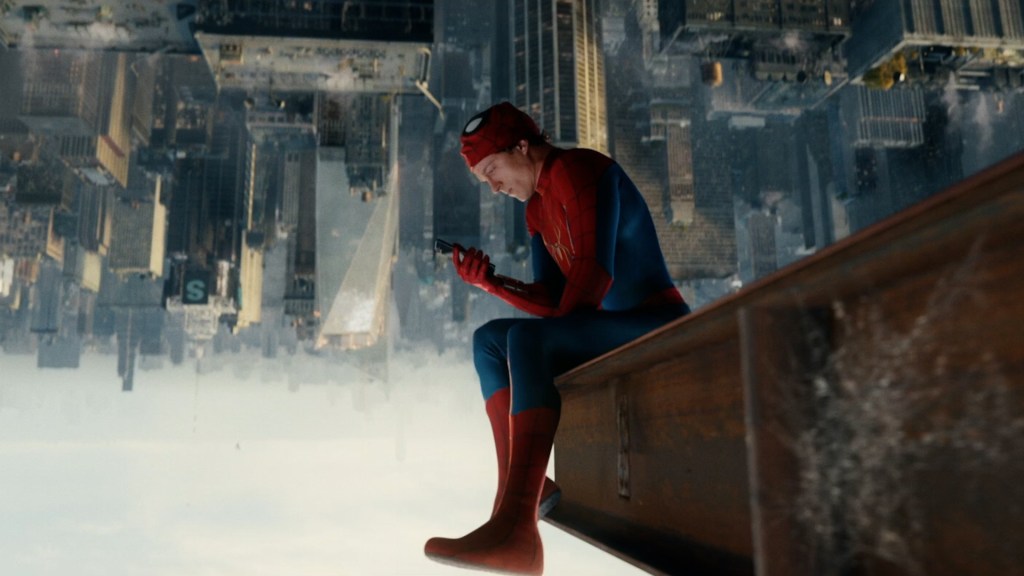
When Spider-Man: No Way Home hit theaters in 2021, it was more than just another entry in the Marvel Cinematic Universe (MCU). It was a love letter to Spider-Man fans across generations, a game-changer for the franchise, and a redefinition of Peter Parker’s cinematic journey. Through its use of the multiverse, the film not only paid tribute to past iterations of the character but also set the stage for a dramatically different future.
A Farewell to the MCU Safety Net
Before No Way Home, Tom Holland’s Peter Parker had largely been defined by his connections to the larger MCU. His journey was intertwined with Tony Stark’s mentorship, the Avengers’ battles, and Stark Industries tech. But by the end of the film, all of that is stripped away. Through the events of the story, Peter sacrifices his identity, his relationships, and his support system, leaving him more alone than ever before. This reset places him much closer to the classic depiction of Spider-Man—broke, struggling, and entirely reliant on his own wits and abilities.
In many ways, No Way Home acts as both a conclusion and a rebirth. It closes the chapter on the MCU Spider-Man who fought alongside Earth’s mightiest heroes and repositions him as a street-level vigilante, echoing the character’s roots in the comics. With the MCU now moving toward a multiverse-driven saga, Peter’s isolation could mean he’ll play a different kind of role—one less about cosmic stakes and more about personal redemption. It also allows for a return to smaller, emotionally charged storytelling rather than large-scale battles, something that many fans feel was missing from Holland’s earlier outings.
The Return of the Multiverse—But What Now?
By incorporating Tobey Maguire and Andrew Garfield’s Spider-Men, No Way Home shattered the boundaries between Spider-Man franchises, making it clear that the multiverse is here to stay. This move not only allowed for thrilling nostalgia but also introduced the idea that Spider-Man’s cinematic identity isn’t bound to one continuity.
This opens the door for future crossovers, unexpected team-ups, and even the return of past characters. Rumors already swirl about Garfield reprising his role in future projects, possibly in Venom 3 or Secret Wars. Maguire’s Peter Parker could also return in a mentor role akin to Into the Spider-Verse’s Peter B. Parker. The multiverse gives Marvel an unprecedented ability to mix and match elements from different eras, allowing Spider-Man’s future to be more flexible than ever.
Additionally, the introduction of the multiverse may lay the groundwork for live-action versions of Spider-Man 2099, Ben Reilly (Scarlet Spider), or even Superior Spider-Man. With Sony expanding its Spider-Man Universe through films like Madame Web and Kraven the Hunter, there’s potential for crossovers beyond what we’ve seen so far.
A More Grounded Future
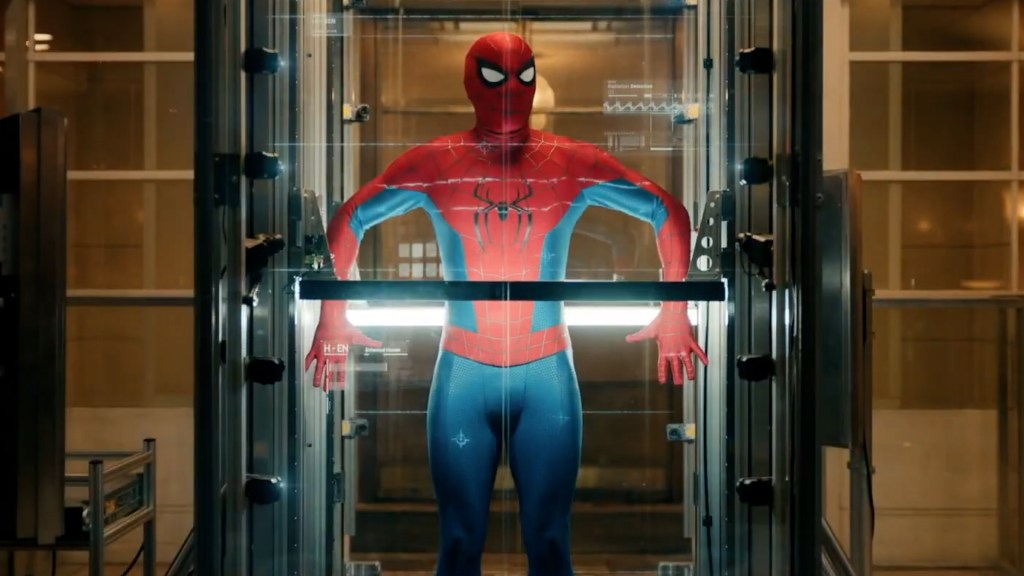
Despite the multiversal spectacle, No Way Home also sets up a more grounded trajectory for Holland’s Spider-Man. The final scenes show Peter in a run-down apartment, sewing his own suit, and operating outside of the Avengers’ influence. This suggests future Spider-Man stories will focus more on the classic “friendly neighborhood” side of the hero, rather than the world-saving antics seen in Far From Home and Endgame.
There’s also the matter of his rogues’ gallery. With Norman Osborn, Otto Octavius, and others now officially part of the MCU’s history, the doors are open for new interpretations of classic villains. The absence of Stark technology and high-tech gadgets could also mean a return to more old-school, personal battles—something fans have been eager to see. Villains like Kingpin, Scorpion, or even a proper MCU version of Green Goblin could make appearances. Additionally, with Daredevil re-entering the MCU, a street-level crossover seems almost inevitable.
Spider-Man’s Role in the MCU Moving Forward
The biggest question is: where does Peter Parker go from here? No Way Home essentially places him in a position similar to the Maguire and Garfield versions of the character—a solo hero facing everyday struggles. However, given that the MCU’s next phases revolve around multiversal chaos and the looming Secret Wars, it’s unlikely Peter will remain entirely disconnected.
One theory is that Spider-Man’s next major appearance could be in Avengers: Secret Wars, a film that may serve as a reunion for every major Marvel hero across different realities. However, given the deeply personal nature of his character arc, it’s just as likely that Spider-Man 4 will focus on street-level threats like Kingpin or the long-awaited MCU debut of Miles Morales.
Another intriguing possibility is Peter teaming up with grounded heroes like Daredevil or even the Young Avengers, filling the void left by his former allies. Marvel Studios could also introduce Black Cat as a romantic interest, adding a new dynamic that separates this version of Spider-Man from past iterations.
The Future of the Web-Slinger
Spider-Man: No Way Home didn’t just celebrate Spider-Man’s cinematic history—it fundamentally altered the trajectory of the character’s future. By stripping Peter Parker down to his essence, the film set the stage for a fresh and unpredictable new era. Whether he continues in the shadows or steps back into the multiversal chaos, one thing is certain: Spider-Man’s story is far from over.
With Holland reportedly signed on for more films and the multiverse expanding, the possibilities are endless. But no matter where he goes next, No Way Home ensures that Spider-Man’s legacy will never be the same again. As Marvel continues to evolve, one thing remains certain—wherever there’s trouble, wherever there’s injustice, Spider-Man will always find a way to rise to the occasion.





 gfpods.com
Leave a comment