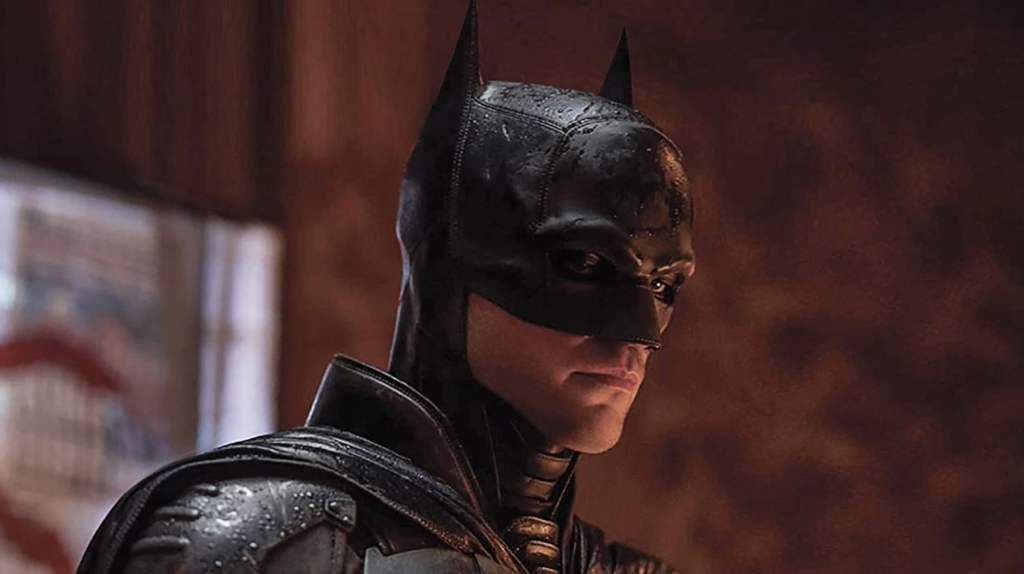
Ever since the acclaimed debut of Robert Pattinson’s gritty, noir-tinged Batman in director Matt Reeves’ The Batman, fans have speculated about how—if at all—this Dark Knight might fit into the new DC Universe (DCU). As it turns out, that possibility wasn’t just fandom chatter. According to DC Studios co-head James Gunn, he actually gave serious thought to weaving Pattinson’s Caped Crusader into the mainline DCU continuity.
In a revealing interview, Gunn acknowledged that he “contemplates everything.” This open-minded approach means every potential angle and crossover is on the table, including bringing Pattinson’s intensely focused vigilante under the same narrative umbrella as Superman, Peacemaker, and the forthcoming wave of DCU projects. “You’d be an idiot not to consider it,” Gunn admitted, expressing respect for what Reeves and Pattinson have accomplished—and the character’s natural draw.

However, the final decision to keep Pattinson’s Batman as part of the “Elseworlds” banner rather than integrating him into the DCU reflects a broader strategic vision. Elseworlds, a concept rooted in DC Comics tradition, allows creators to tell off-continuity stories that reimagine key heroes in innovative, often radically different scenarios. Gunn, who is shepherding a fresh start for DC alongside Peter Safran, sees immense value in maintaining these standalone timelines. Pattinson’s Batman universe, with its crime noir aesthetic and realistic tone, now sits alongside other unique projects—like the Ta-Nehisi Coates/J.J. Abrams Black Superman film—which exist outside the cohesive DCU continuity.
For Gunn, the choice isn’t about rejection; it’s about prioritization. The DCU’s new Batman, set to appear in The Brave and the Bold, will center on a seasoned Bruce Wayne, a fully formed Bat-Family, and the complex father-son dynamic with Damian Wayne. This well-established hero differs greatly from Pattinson’s younger, more isolated vigilante detective. By keeping them separate, DC preserves distinct storytelling flavors—one driven by hard-boiled crime realism, the other by the expansive, interlinked hero narratives familiar to comic book readers.

This dual approach harnesses the spirit of DC’s rich publishing history. Elseworlds have always been a proving ground for new ideas. From Soviet-era Supermen to vampiric Batmen, these stories show there’s no single “right way” to depict a beloved icon. Applying this principle to cinematic universes means fans can enjoy both the layered nuance of Pattinson’s Gotham and the unfolding grand tapestry of the DCU without forcing them together prematurely.
In a time when comic book adaptations often lean toward uniformity, Gunn and Safran’s strategy to keep Pattinson’s Batman separate underscores their commitment to creative diversity. By considering—and ultimately resisting—the urge to integrate Pattinson into the DCU, they’ve ensured that fans can savor multiple versions of the Dark Knight without compromising either interpretation.

For audiences, this means more choice and more stories. Pattinson’s Batman, overseen by Reeves, will continue to evolve in the shadows as an Elseworlds saga—unbound by the larger continuity’s demands—while Gunn’s DCU can confidently build a united narrative that includes more traditional superhero team-ups, a well-established Bat-Family, and a robust roster of characters who can intersect at will.
In the end, the fact that Gunn considered bringing Pattinson’s Batman into the DCU highlights DC’s new creative atmosphere. Everything is on the table, every possibility weighed. Yet the final outcome—Pattinson’s Batman standing proudly apart—signals a vote of confidence in the Elseworlds model and a dedication to letting each version of the Dark Knight stand on its own, exactly where it belongs.




 gfpods.com
Leave a comment