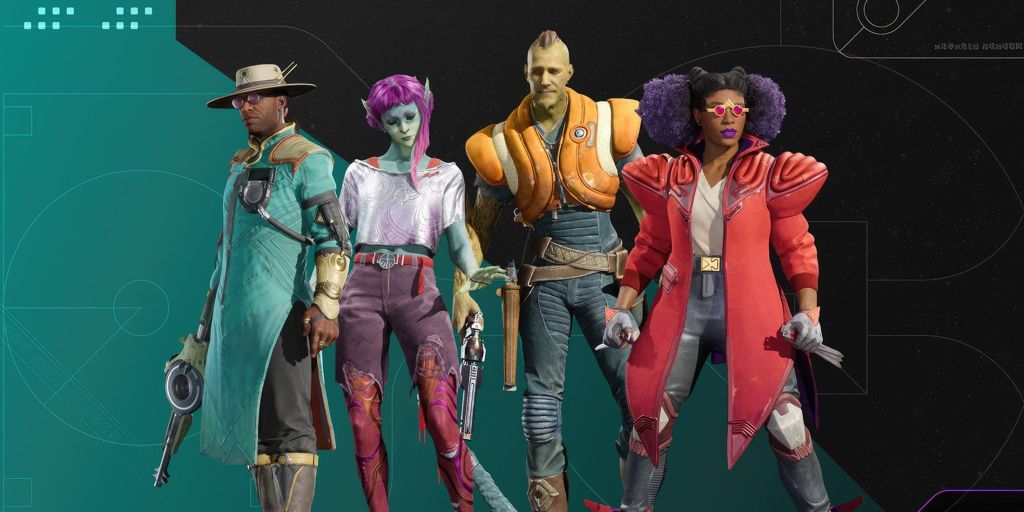
The recent closure of Concord is a striking example of the challenges live service games face in today’s gaming market. Developed by Firewalk Studios and published by PlayStation, Concord was a highly anticipated live-service hero shooter. However, it suffered a dramatic failure, being taken offline just two weeks after launch on September 6, 2024. This unexpected shutdown reflects not only the game’s struggles but also the broader issues plaguing live service games as a whole.
Why Concord Failed
Concord launched with ambitions to compete in the hero shooter genre, hoping to join the ranks of Overwatch and Valorant. Unfortunately, the game couldn’t capture enough attention, debuting with fewer than 700 concurrent players on Steam and failing to exceed 25,000 total sales across PlayStation and PC. One critical issue was its lack of free-to-play accessibility. With Overwatch 2 offering free content, charging $39.99 for Concord without generating sufficient interest or player retention was a gamble that did not pay off.
Another reason for Concord‘s failure was its inability to differentiate itself in an already oversaturated market. Despite showcasing colorful characters and a gameplay style reminiscent of popular shooters, the game struggled to stand out. The animated shorts and marketing efforts failed to build sufficient excitement, leading to poor engagement and player reviews.
The Challenges Facing Live Service Games
Concord‘s demise is just the latest in a series of live service game collapses, joining other titles like Knockout City and Blaseball. These failures raise concerns about the sustainability of the live service model. Many games rely heavily on continuous updates, monetization through microtransactions, and maintaining a dedicated player base. When a game fails to reach critical mass, the cost of server maintenance and new content development can quickly outweigh the revenue generated.
Additionally, live service games are increasingly becoming a risky venture due to market saturation. Players are often fatigued by repetitive gameplay loops and are not willing to invest in multiple games of similar genres. The pressure to constantly innovate and keep content fresh while maintaining a balance between free and paid content is a monumental task for developers.
Lessons for the Future
The failure of Concord and other live service games suggests that the industry might need to rethink its approach. For future titles to succeed, they must offer something truly unique and ensure they are accessible to a wide audience. Free-to-play models, coupled with fair and optional monetization, may become the standard to avoid alienating players from the start. Furthermore, developers need to invest in building strong communities and provide content that keeps players engaged without overwhelming them.
While Concord may attempt a future relaunch, much like Multiversus, the game’s initial failure serves as a cautionary tale. The live service model is not a guaranteed success, and developers must carefully balance player interest, innovation, and financial sustainability to thrive in today’s competitive gaming landscape.
Sources:
- Lords of Gaming, “Concord Shutting Down on September 6th”(Lords of Gaming)
- PC Gamer, “Concord’s Catastrophic Failure”(pcgamer)









 gfpods.com
Leave a comment