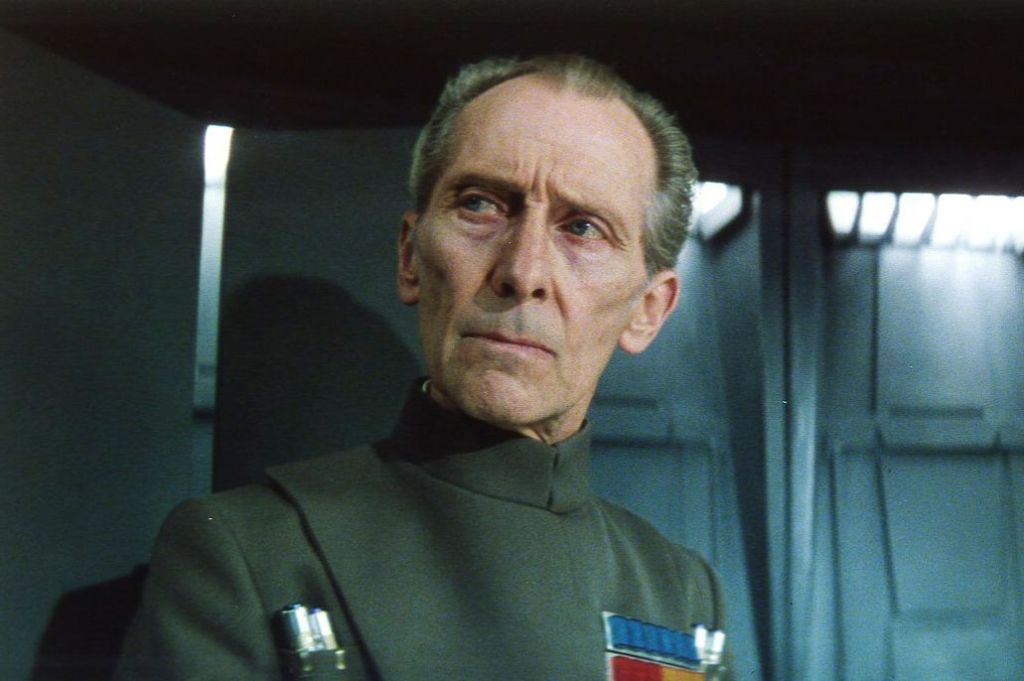
In a significant move that could reshape the landscape of digital entertainment, the California state Senate has passed AB 1836, a law that mandates explicit consent for the use of deceased performers’ likenesses in AI-generated digital replicas. This legislation, championed by SAG-AFTRA, aims to provide the estates of deceased performers with control over the use of AI-created fakes and replicas, ensuring that their legacy is preserved with dignity and respect.
Why This Law Matters
In an era where artificial intelligence is rapidly transforming the entertainment industry, the ethical use of AI has become a hotly debated topic. From digitally resurrecting late actors to creating lifelike performances, AI has opened new doors—but also raised critical questions about consent and control. AB 1836 is a direct response to these concerns, ensuring that the use of a deceased performer’s likeness in films, TV shows, video games, and other media requires the approval of their estate.

Key points of the legislation include:
- Consent Requirements: Producers must obtain explicit consent from the estate of the deceased performer before using their likeness in AI-created replicas.
- Broader Protections: AB 1836 builds on recent legislation, including AB 2602, which strengthens consent requirements for living performers as well.
- Industry Impact: The law is expected to set a precedent not just in California, but across the entertainment industry, influencing how AI is used in digital media globally.
The Role of SAG-AFTRA
SAG-AFTRA has been at the forefront of pushing for these protections. The union’s efforts have been driven by the belief that performers, both living and deceased, deserve control over their digital likenesses. The passage of AB 1836 marks another victory in SAG-AFTRA’s ongoing campaign to safeguard performer rights in a world increasingly dominated by generative AI.
In a statement following the Senate’s approval of the bill, SAG-AFTRA emphasized, “AB 1836 is another win in our ongoing strategy of enhancing performer protections. The passing of this bill, along with AB 2602 earlier this week, build on our mosaic of protections in law and contract.”

Examples of AI Use in the Industry
The debate over AI-created replicas isn’t just theoretical. We’ve already seen AI used to bring deceased performers back to the screen:
- Oliver Reed in “Gladiator” (2000): AI was used to complete his performance after his death during production.
- Paul Walker in “Furious 7” (2015): AI technology helped finish scenes after Walker’s untimely death.
- Peter Cushing in “Rogue One: A Star Wars Story” (2016): The late actor was digitally recreated using AI.
- Carrie Fisher in “Star Wars: The Rise of Skywalker” (2019): AI allowed Fisher to appear posthumously.
In all these cases, permission was sought and granted by the estates of the deceased performers, setting an ethical standard that AB 1836 now seeks to make law.
What’s Next?
AB 1836 now awaits the signature of Governor Gavin Newsom. If signed into law, it will not only protect the legacies of deceased performers but also set a new benchmark for how AI should be ethically integrated into the entertainment industry. As AI continues to evolve, laws like AB 1836 will be crucial in balancing innovation with respect for the individuals who have shaped our cultural landscape.
We’ll delve deeper into this topic in the next Geek Freaks podcast. Don’t miss it! Tune in here.







 gfpods.com
Leave a comment