Overview
“House of the Dragon” Season 2 delves deeper into the Targaryen civil war, known as the Dance of the Dragons, exploring the cost of war on both a personal and grand scale. The season showcases intense character development and spectacular action sequences, though it struggles with pacing and narrative balance.
Character Development
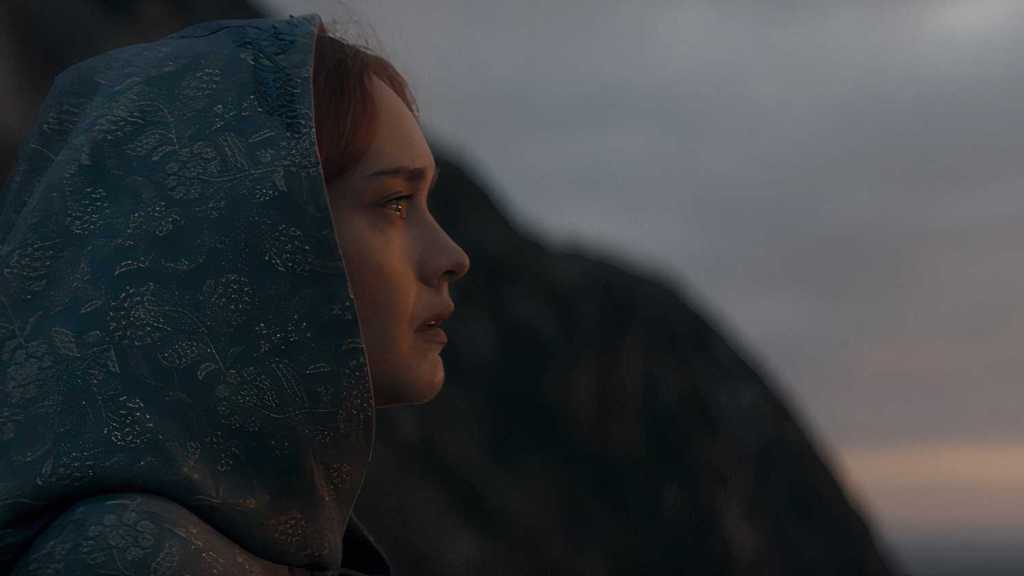
Emma D’Arcy’s portrayal of Rhaenyra Targaryen continues to be a highlight of the series. In Season 2, Rhaenyra faces overwhelming grief and political pressure, often disappearing from the narrative for long periods. This disappearance sometimes feels like the writers are unsure of who they want Rhaenyra to be. Still, when she is on screen, D’Arcy delivers a performance that balances intense sorrow and regal determination. A key moment is her confrontation with Alicent Hightower, where Rhaenyra’s sorrow and resolve are palpable.

Matt Smith remains a captivating presence as Daemon Targaryen. His character undergoes significant growth, shifting from a brash, arrogant prince to someone who realizes the importance of unity for the Targaryen cause. The argument between Daemon and Rhaenyra in episode two is a standout scene, showcasing their complex relationship and the joint trauma they endure.
The season also gives more depth to secondary characters like Jacaerys and Baela on Dragonstone, and Aegon in King’s Landing. Jacaerys and Baela come into their own, showcasing their talents and potential as future leaders. Aegon becomes more dynamic, with Glynn-Carney excellently portraying his multifaceted nature.
Pacing and Plot
The season’s pacing has been a point of contention. While the first season’s pacing was more measured, Season 2 often feels rushed, particularly in its latter episodes. For example, significant plot points such as the preparation for the ship battle involving Corliss and the Lannister army are crammed into the finale, leaving little room for narrative breathing.

The writers sometimes struggle with character motivations, leading to moments where the stakes feel low and the plot convoluted. For instance, Rhaenyra’s long absences from the narrative and the rapid developments in the final episodes make it difficult for viewers to fully grasp the unfolding events and their significance.
Spectacle and Action
Despite its pacing issues, “House of the Dragon” excels in its action sequences. The dragon fights are some of the best yet, rivaling the most epic battles from “Game of Thrones.” The aerial combat scenes, especially, are visually stunning and emotionally charged, showcasing the high production values and dramatic weight of the Targaryen conflict. The battle in episode eight, where dragons clash in the sky, is particularly noteworthy for its intensity and scale.

The season also doesn’t shy away from graphic depictions of violence and betrayal. The episode “A Son for a Son” ends with one of the most horrific acts in the series, executed off-camera to amplify its emotional impact. This restraint highlights the creators’ ability to convey horror through implication rather than explicit visuals.
Themes and Tone
Season 2 continues to explore themes of power, loyalty, and the devastating impact of civil war. The intimate character moments juxtaposed with large-scale battles provide a multifaceted view of the Targaryen dynasty’s internal strife. The show balances personal stakes with broader political implications, such as the tension between Daemon and Rhaenyra over their differing visions for the future of their house.

The series maintains a dark, gritty tone, consistent with the “Game of Thrones” universe, indulging in gory decapitations, deviant sexuality, and shocking deaths designed to thrill and unsettle viewers.
Conclusion
“House of the Dragon” Season 2, despite its pacing flaws, remains a compelling watch. Its strong character development, spectacular dragon battles, and deep thematic exploration keep viewers engaged. As the series sets the stage for what promises to be an explosive third season, fans are left eagerly anticipating how the Targaryen saga will continue to unfold.






 gfpods.com
Leave a comment