
In the second episode of House of the Dragon Season 2, the drama escalates following the death of Jaehaerys, Aegon’s son. The Red Keep is under lockdown as the Greens, led by Otto Hightower, search for the murderer, leading to a tense and suspicion-filled atmosphere. Aegon, overwhelmed with grief and rage, destroys his father’s cherished model of Valyria, symbolizing the fracturing of their family and legacy.
The Greens, eager to consolidate power, quickly blame Rhaenyra for Jaehaerys’ death. Otto’s manipulative nature is on full display as he uses this tragedy to galvanize support against Rhaenyra. Meanwhile, Aegon’s struggle with leadership is evident, highlighting his vulnerabilities as he grapples with his son’s death and the responsibilities of kingship.

Rhaenyra, upon learning of the accusations, realizes the depths of Daemon’s ruthlessness. This revelation strains their relationship, marking a pivotal moment where trust between them begins to erode. This internal conflict is further complicated by Daemon’s preparation for war, emphasizing the looming civil conflict.
The episode also explores Criston Cole’s failure to protect Jaehaerys due to his distractions with Alicent, adding layers to their complex relationship. Helena’s mental decline is poignantly depicted during Jaehaerys’ funeral, showcasing the emotional toll of the ongoing conflicts on the characters.
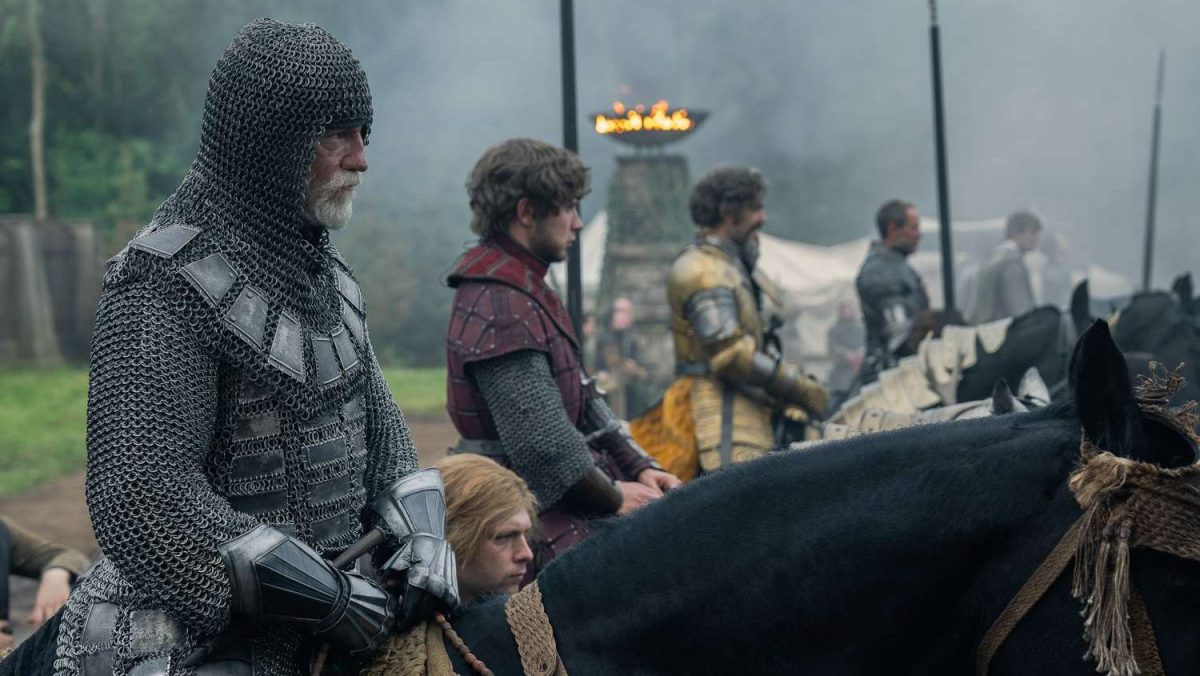
A significant and tragic event in this episode is the duel between the twin brothers, Arryk and Erryk. Both knights, who had previously served the realm with loyalty, find themselves on opposing sides due to the civil war. The intensity of their battle in Dragonstone culminates in a heart-wrenching scene where both brothers ultimately meet their demise. This moment underscores the personal and familial costs of the Targaryen conflict, highlighting the tragic consequences of the war.
Back at Dragonstone, Rhaenyra’s determination and grief are palpable as she deals with the news of her nephew’s death. The episode also introduces Aegon the Younger, hinting at his future importance in the Targaryen lineage.

Analysis:
The episode masterfully balances political maneuvering with personal grief, illustrating the multifaceted nature of the Targaryen civil war. Otto Hightower’s manipulations are particularly compelling, showcasing his ruthless ambition to secure power for the Greens. His confrontations with Aegon reveal a generational clash and differing approaches to leadership within the same faction.
Aegon’s internal struggle humanizes him, making his actions more relatable despite their moral ambiguity. His grief and anger add depth to his character, portraying the heavy burden of leadership and personal loss.
Rhaenyra’s character development is another highlight. Her reaction to Daemon’s betrayal and the escalating accusations from the Greens position her as a resilient yet tragic figure, reminiscent of the complex heroes in Game of Thrones. Her portrayal blends strength and vulnerability, making her a compelling protagonist.
The dialogue in this episode stands out as some of the best in the series, reminiscent of the intricate and emotionally charged conversations between the Lannisters in Game of Thrones. These dialogue-heavy scenes are filled with tension and subtlety, showcasing the complex dynamics and deep-seated conflicts within the Targaryen family. The interactions between characters like Otto and Aegon, Rhaenyra and Daemon, and the tragic confrontation between Arryk and Erryk, elevate the narrative and add a rich, layered texture to the storytelling.

Comparison to the Books:
In George R.R. Martin’s Fire & Blood, the events surrounding Jaehaerys’ death are portrayed with a broader perspective, focusing more on the political and military strategies rather than the personal relationships highlighted in the show. This episode takes creative liberties to deepen character development and enhance narrative tension.
One significant deviation is the portrayal of Alicent and Criston Cole’s relationship. The show suggests a deeper, more personal connection, while the book maintains a strictly political alliance. This change adds emotional complexity to their characters, enriching the narrative but diverging from the original text.
The show also accelerates the blame game against Rhaenyra, heightening the dramatic tension and immediacy of the conflict. In the book, the buildup to this conflict is more measured, offering a detailed political maneuvering that leads to the civil war known as the Dance of the Dragons.
Conclusion:
Episode 2 of House of the Dragon Season 2 expertly combines political intrigue, personal drama, and hints of future conflicts. While it takes creative liberties with the source material, these changes serve to deepen character development and maintain narrative tension, ensuring that both book readers and new viewers remain captivated by the unfolding Targaryen saga.




 gfpods.com
Leave a comment