
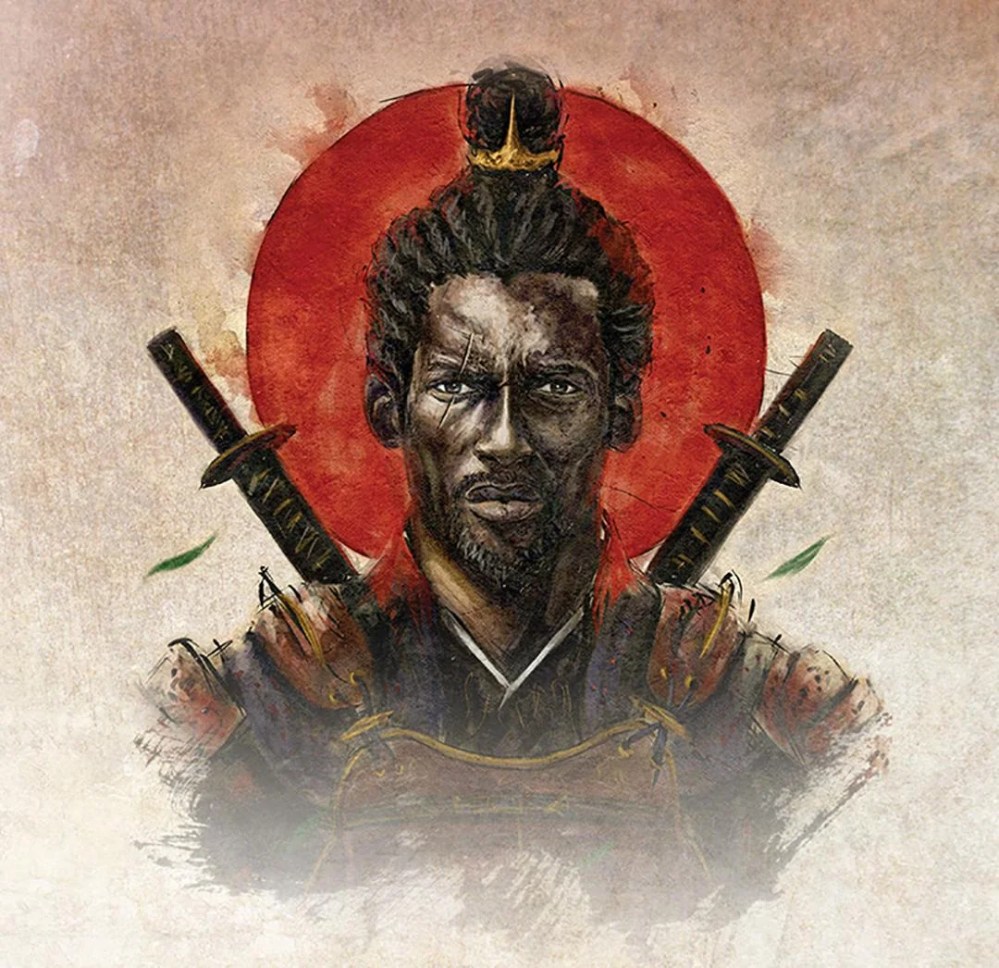
Yasuke’s story is one of the most intriguing and unique tales in the history of samurai culture. Born around 1555, Yasuke was likely from the region of present-day Mozambique or Sudan. He was brought to Japan in 1579 by the Jesuit missionary Alessandro Valignano. Initially, Yasuke served as Valignano’s bodyguard but was originally enslaved before taking on this role. The Indian Ocean slave trade was prevalent during this period, and Yasuke was trafficked through this route before ending up in the service of the Jesuits.
Upon his arrival in Japan, Yasuke’s striking appearance and impressive stature—standing over six feet tall—quickly caught the attention of the powerful daimyo, Oda Nobunaga. Nobunaga, known for his open-mindedness and interest in foreign cultures, was fascinated by Yasuke. He initially suspected that Yasuke’s dark skin was dyed, and after confirming its authenticity, he took Yasuke into his service. Yasuke’s strength and loyalty earned him the rare honor of becoming a samurai, a position typically reserved for native-born Japanese warriors who had undergone extensive training from a young age.
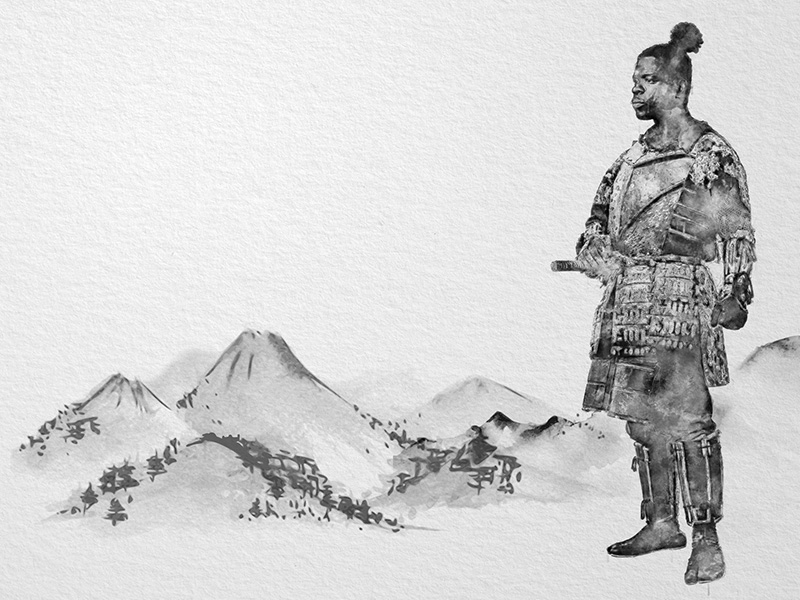
Yasuke’s rise to prominence in Nobunaga’s court is shrouded in both historical records and legend. He quickly became a trusted member of Nobunaga’s retinue, participating in significant battles such as the Battle of Tenmokuzan. His presence at Nobunaga’s side was a testament to his combat skills and a symbol of Nobunaga’s progressive and strategic mindset. Historical accounts suggest that Yasuke’s ability to adapt and learn the language was crucial in his acceptance and success within the samurai ranks. His linguistic adaptation signified his commitment and underscored Nobunaga’s progressive attitude towards integrating foreigners into his domain.
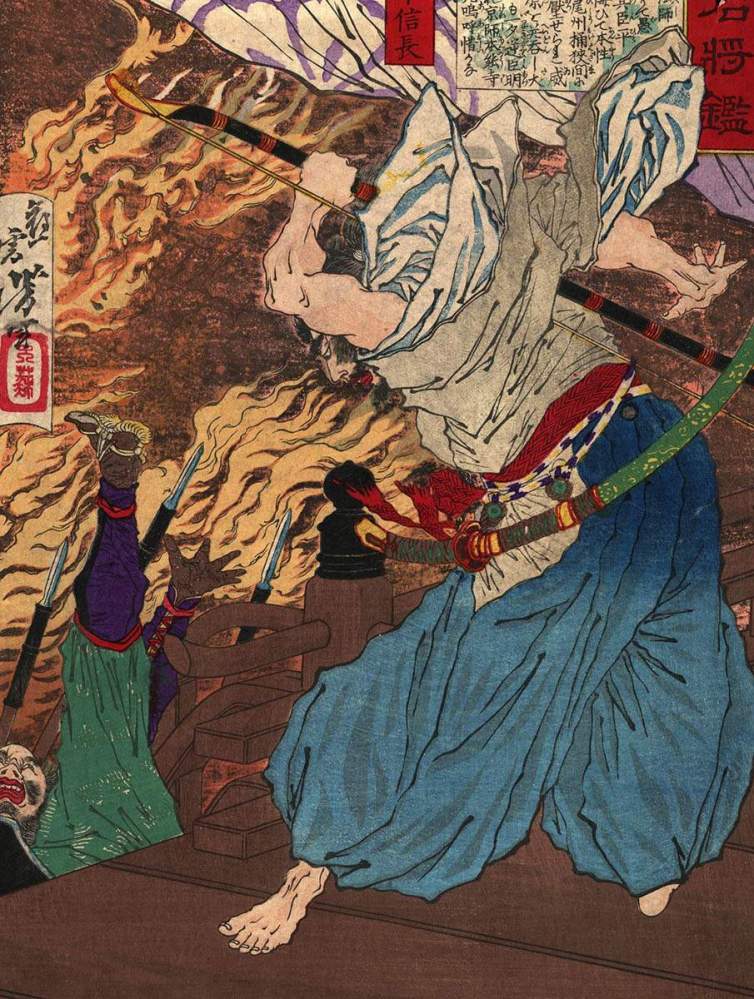
However, Yasuke’s time as a samurai was short-lived. In 1582, Nobunaga was betrayed by one of his generals, Akechi Mitsuhide, leading to the famous incident at Honnō-ji Temple. During the ambush, Nobunaga was forced to commit seppuku (a form of ritual suicide), and Yasuke fought bravely but was ultimately captured. Accounts of Yasuke’s fate vary—some suggest he was sent back to the Jesuits, while others believe he was executed or lived out his days in relative obscurity.
Despite the brevity of his samurai career, Yasuke’s legacy endures. He is celebrated in various forms of media, including books, anime, and films. Most recently, he is set to appear in the upcoming “Assassin’s Creed: Shadows,” where his story will be interwoven with the game’s historical and fantastical elements. This inclusion highlights Yasuke’s lasting impact as a symbol of bravery, honor, and the samurai spirit.
For more detailed accounts of Yasuke’s life, you can refer to sources such as Smithsonian Magazine, Britannica, and Tokyo Weekender.









 gfpods.com
Leave a comment