
In the realm of adult animation, the portrayal of mothers has undergone a significant evolution, reflecting broader shifts in societal attitudes towards motherhood and gender roles. From the early days of characters like Marge Simpson of “The Simpsons” to more contemporary figures like Linda Belcher of “Bob’s Burgers,” the journey of these maternal figures from background roles to complex main characters highlights both changes in the animation genre and its audience.
The Early Days: Maternal Figures as Foils
Initially, mothers in adult animated shows often served as foils to their more prominently featured, and often outrageously behaving, male counterparts. Marge Simpson, who debuted in “The Simpsons” in 1989, is a quintessential example of this trend. Marge’s character was primarily defined by her unending patience and her role as the voice of reason within the Simpson family, often countering Homer’s impulsive and irresponsible antics. Her character served as a stabilizing force, but this often relegated her to the sidelines of the narrative.
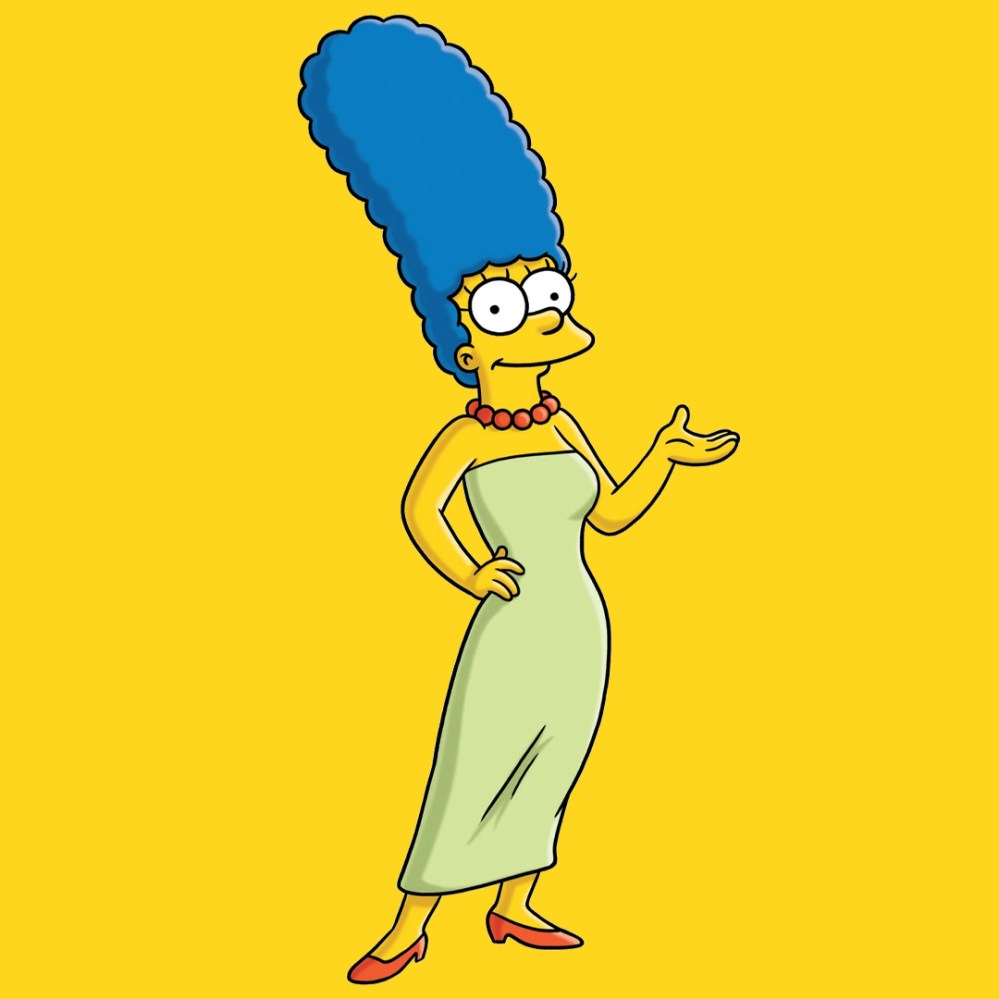
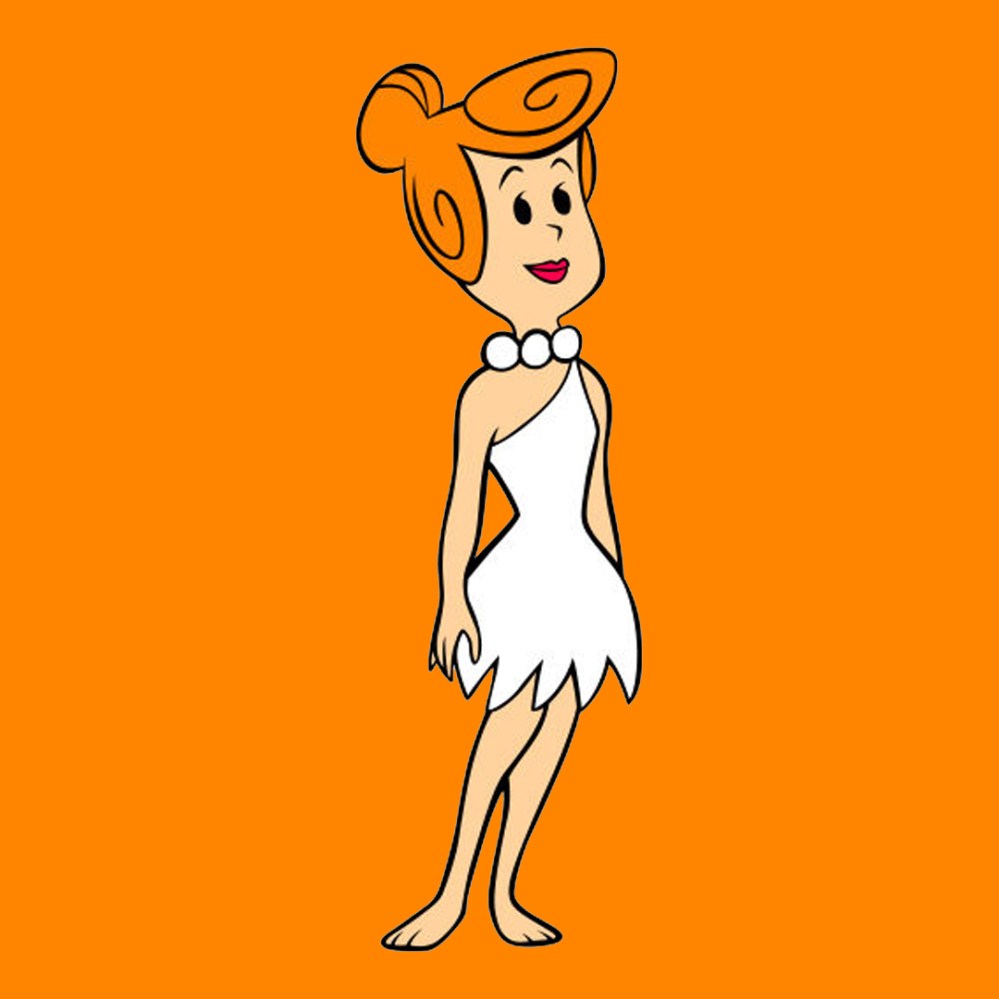
Besides Marge Simpson, another seminal example is Wilma Flintstone from “The Flintstones” (1960). Wilma, much like Marge, played the responsible and often more sensible counterpart to her bumbling husband, Fred. “The Flintstones” and its live-action counterpart “The Honeymooners” are often considered foundational to adult animation. Their portrayals of family units from the 1950s and 1960s influenced later adult animation creators, including Matt Groening of “The Simpsons.” These earlier shows depicted family dynamics where the wives often followed their husbands’ lead, a template that influenced the creation of characters like Marge Simpson, who initially was characterized largely by her reactions to her husband’s schemes.
The portrayal of these early maternal figures reflected the traditional expectations of mothers as caregivers and moral compasses, often at the expense of exploring their individuality or ambitions outside their roles within the family.
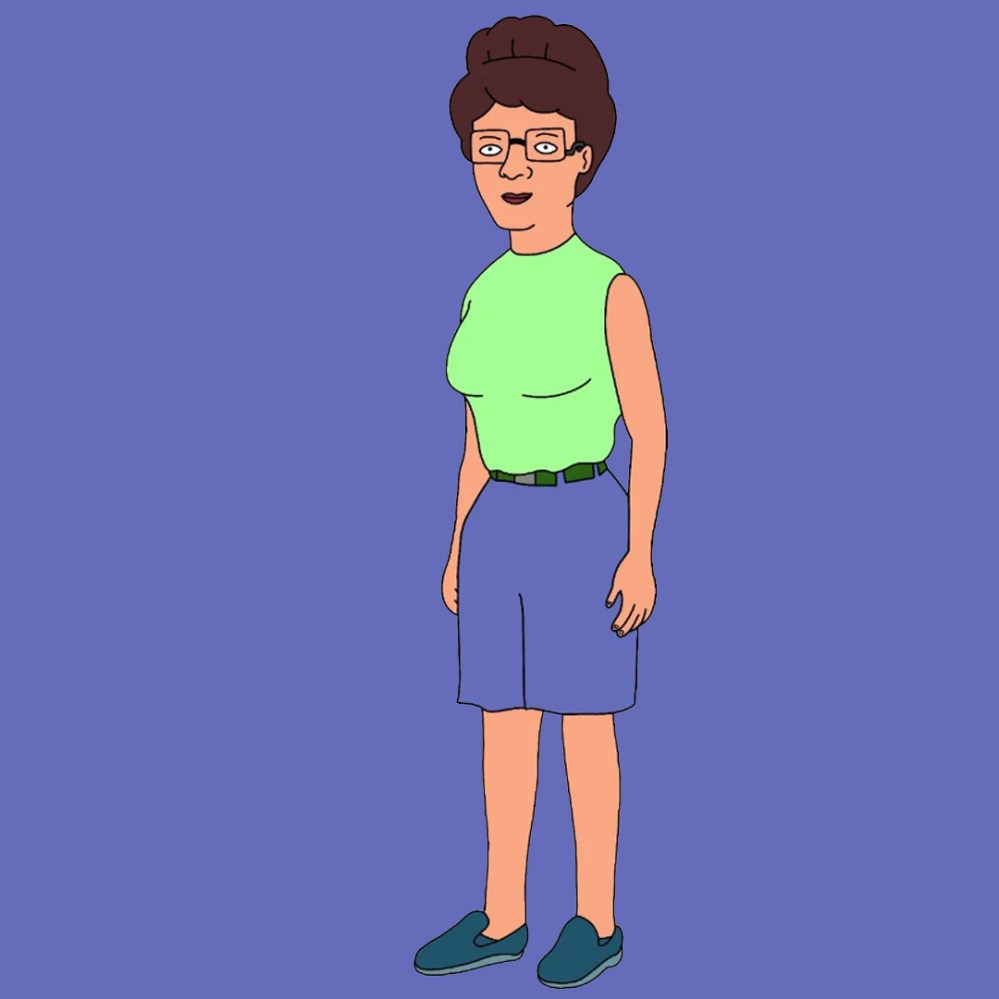
Peggy Hill: A Pioneer in Strong Maternal Characters
Peggy Hill, from Mike Judge’s “King of the Hill” (1997), stands out as a pioneering figure in the evolution of maternal characters in adult animation. Unlike her predecessors who often played more subdued, supportive roles, Peggy embodies a robust and multifaceted persona. She is fiercely independent, confident in her knowledge (often humorously overconfident), and involved in a variety of roles outside her family duties. As a substitute teacher, a boggle champion, and an aspiring entrepreneur, Peggy’s endeavors are central to many episodes, offering viewers a portrayal of a mother who is not only part of the family dynamic but also a driving force in her own right. Her character development included episodes that focused on her career ambitions, her identity crises, and her competitive nature, which were significant departures from the traditional maternal roles in animation. Peggy’s portrayal challenged and expanded the scope of what it meant to be a mother in adult animation, paving the way for more complex maternal characters in the genre.

Shift Towards Complexity: Mothers as Central Characters
As audiences evolved and demanded richer narratives, so too did the roles of mothers in adult animation. A pivotal change can be observed with characters like Linda Belcher from “Bob’s Burgers,” first aired in 2011. Linda is lively, supportive, and deeply individualistic, often pursuing her own hobbies and passions with as much screen time and enthusiasm as any other member of the Belcher family. Unlike Marge, who was initially crafted as a counterbalance to Homer, Linda is portrayed as an equal partner in the family business and an integral part of the show’s humor and heart.
In more recent years, adult animations have started to feature even more diverse and fully realized maternal figures:
- Lois Griffin from “Family Guy” (1999) – Lois Griffin started as the more sensible counterpart to her often nonsensical husband Peter, embodying the role of a traditional housewife. However, as the series progressed, Lois’s character developed significantly. She has been portrayed as having a complex personality, occasionally indulging in behavior as wild and outrageous as any of the show’s antics. This includes episodes highlighting her gambling addiction, martial arts prowess, and a brief career as a model. Her multifaceted personality makes her a far more dynamic character than initially portrayed, providing depth to the maternal archetype in animation.
- Francine Smith from “American Dad!” (2005) – Francine Smith exemplifies a distinct evolution from traditional animated mothers. While maintaining her role as the family’s stabilizer, Francine has her own quirky and sometimes dark backstory, including her wild youth and the complexities of her adoptive family. Francine’s character often takes center stage in episodes that explore her identity beyond just a wife and mother, including her bouts of extreme behavior and secret adventures. Her deep-seated desires and fears contribute significantly to the narrative, making her a fully realized character who is both a mother and an individual with her own life and stories.
- Nicole Watterson from “The Amazing World of Gumball” (2011) – Nicole is a strong-willed and occasionally aggressive character, who balances her professional career with her role as a mother. Her character is not only central to many storylines but also reflects the realities of modern-day stressors faced by working mothers.
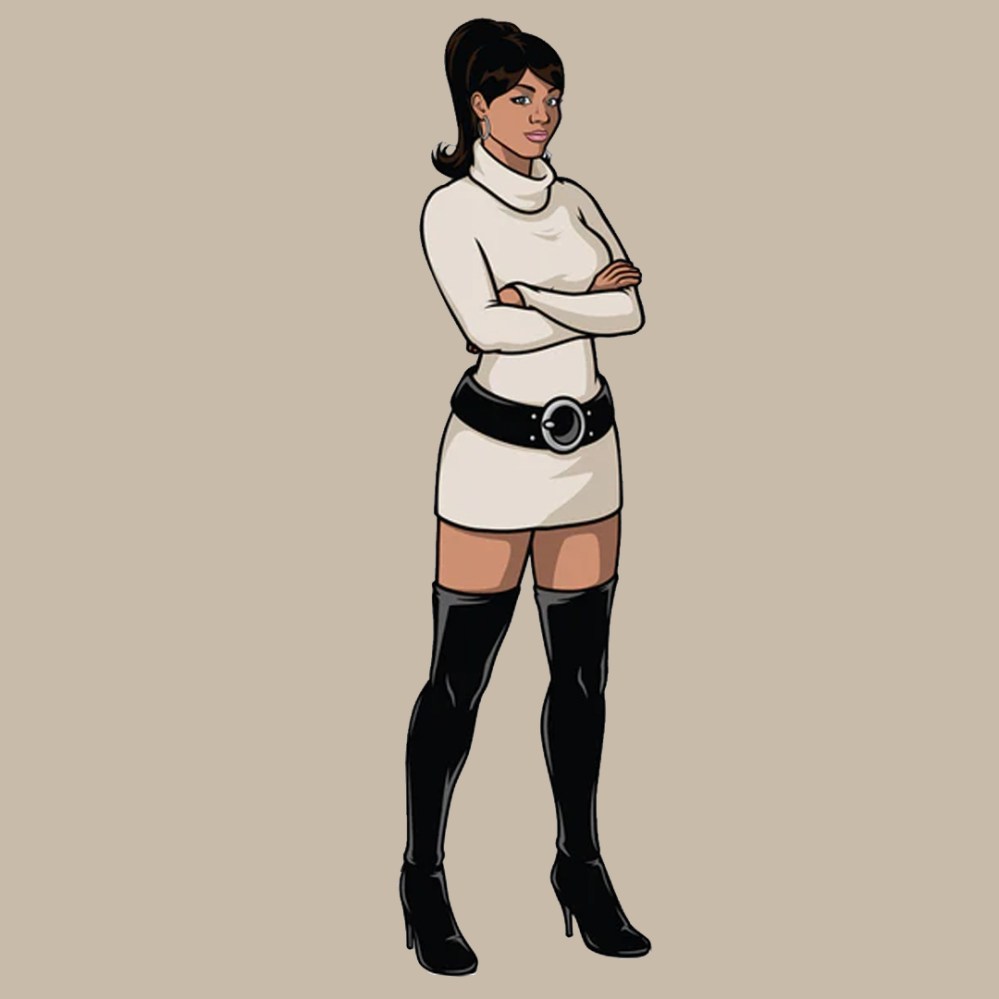
- Lana Kane from “Archer” (2009) – Lana Kane is a compelling example of a modern, empowered mother in adult animation. As a top agent at the spy agency ISIS, Lana is not only skilled and assertive in her professional life but also deeply complex in her personal relationships, particularly as she navigates motherhood. Her character challenges traditional maternal stereotypes through her assertiveness, intelligence, and independence. Lana’s journey into motherhood, which is central to later seasons, explores themes of work-life balance, co-parenting, and personal sacrifice, adding depth to her role beyond her professional persona. This depiction enhances the portrayal of mothers in the genre, showcasing them as capable and dynamic figures in high-stakes environments.


This shift reflects a broader trend in adult animation to explore the multifaceted identities of mothers, acknowledging their desires, flaws, and complexities beyond their roles in the family. Linda’s character, who joyfully engages in the family’s antics and has her own quirky adventures, represents a more holistic approach to character development in animation.
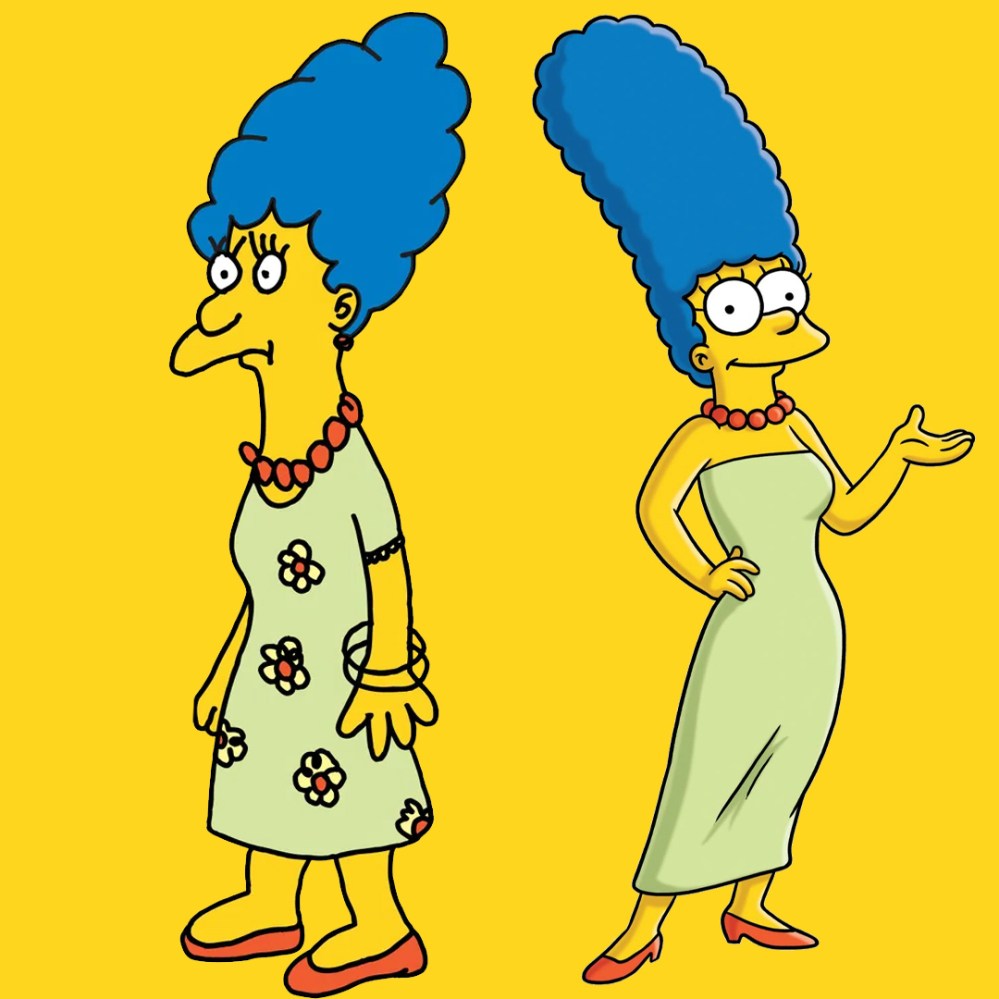
Marge Simpson: An Evolving Legacy
Interestingly, even long-standing characters like Marge Simpson have not remained static. Over the years, “The Simpsons” has deepened Marge’s character, providing her with personal growth arcs and episodes dedicated to her individual pursuits and internal conflicts.
Marge has been the central character in storylines that address serious issues such as her self-esteem, her marriage’s dynamics, and her individual identity outside her family roles. This shift is notably seen in episodes where Marge confronts her own dissatisfaction with her life choices, such as when she briefly joins the police force or invests herself in various business ventures, illustrating a more nuanced representation of motherhood and personal fulfillment.
These developments reflect a broader trend within the series and adult animation at large, aiming to provide more realistic and resonant depictions of mothers. Marge Simpson’s evolution from a mere foil for Homer’s antics to a well-rounded character with her own dreams and dilemmas portrays a significant shift in how maternal figures are viewed and valued in the genre.
Impact and Insights on the Evolution of Maternal Portrayals in Adult Animation
The evolving portrayal of maternal figures in adult animation, such as Marge Simpson, Peggy Hill, and others, has had a profound impact on both audience reception and societal perceptions of motherhood. These characters have transitioned from background roles to complex personalities, reflecting broader changes in societal views on gender roles and family dynamics.
Audience Reception
Audiences have increasingly embraced these multifaceted maternal portrayals, which offer a more relatable and realistic depiction of motherhood. This shift has not only increased viewer engagement but also sparked discussions about the roles of women both in the home and society at large. For example, Marge Simpson’s development over the years has resonated with viewers who see their own struggles, dreams, and challenges reflected in her character. Similarly, characters like Lana Kane from “Archer” provide a model of a working mother balancing career and family, resonating with contemporary viewers facing similar life situations.

Societal Perceptions
These animated mothers have played a role in challenging traditional stereotypes about motherhood and female roles in families. By showcasing mothers who are not only caretakers but also individuals with their own desires and flaws, these shows contribute to a broader acceptance of diverse maternal roles and capabilities in real life. The portrayal of someone like Francine Smith, who combines elements of traditional homemaking with unexpected and complex personal traits, helps normalize the idea that a woman’s identity can encompass a wide range of roles and characteristics.
Insights from Creators and Industry Professionals
Matt Groening has often spoken about the creation and evolution of characters in “The Simpsons,” particularly reflecting on how the show has tackled various themes and developed its characters to keep pace with changing audience expectations. While specific comments about Marge Simpson’s character evolution might not be directly quoted from recent interviews, Groening has consistently emphasized the importance of character development in keeping the series relevant and engaging.
In terms of character depth, Groening has highlighted how “The Simpsons” has grown to explore more complex themes and give characters like Marge more nuanced storylines. This evolution is part of what has made the show a longstanding success. According to Groening, the collaboration with other talented writers and animators has been crucial in bringing these characters to life in ever-more engaging ways (Toons Mag).
Conclusion
The evolution of mothers in adult animation is a testament to the genre’s growth and its responsiveness to changing societal norms. From mere foils to complex protagonists, these characters have become central to the appeal and success of their respective shows. This transformation not only enriches the narratives but also offers a more inclusive and realistic portrayal of motherhood, resonating with diverse audiences seeking authenticity and depth in storytelling.
As adult animation continues to develop, it will undoubtedly provide even more nuanced and engaging portrayals of mothers, reflecting ongoing shifts in societal roles and expectations. This evolution in storytelling not only entertains but also challenges and expands our understanding of what it means to be a mother in today’s world.






 gfpods.com
Leave a comment