
The video game industry has evolved remarkably over the decades, with two distinct categories emerging that cater to different player bases: indie games and AAA games. Each category offers unique experiences, storytelling techniques, and artistic expressions. In this article, we’ll dive into what sets these two types of games apart, highlighting their strengths and challenges, and provide examples to illustrate these differences.
What are Indie Games?
Indie games, short for independent video games, are typically developed by individuals or small teams without the financial support of a large publisher. These games are often celebrated for their innovation, creativity, and the risk-taking nature of their developers. Indie developers usually have creative freedom but face constraints like smaller budgets and limited resources.

Examples of Indie Games:
- “Hollow Knight” by Team Cherry – A critically acclaimed action-adventure game known for its intricate hand-drawn graphics and deep lore.
- “Stardew Valley” by ConcernedApe – A charming farming simulation game that was single-handedly developed by Eric Barone, offering players an escape to a pastoral, pixel-art world where they manage their farm and form relationships with the town’s residents.
What are AAA Games?
AAA (pronounced “Triple A”) games are those produced and distributed by large-scale publishers. These titles typically have high development and marketing budgets, high-quality graphics, and large teams involving hundreds of developers. AAA games are often designed to appeal to the broadest audience possible to maximize profit and often set trends in the gaming industry.
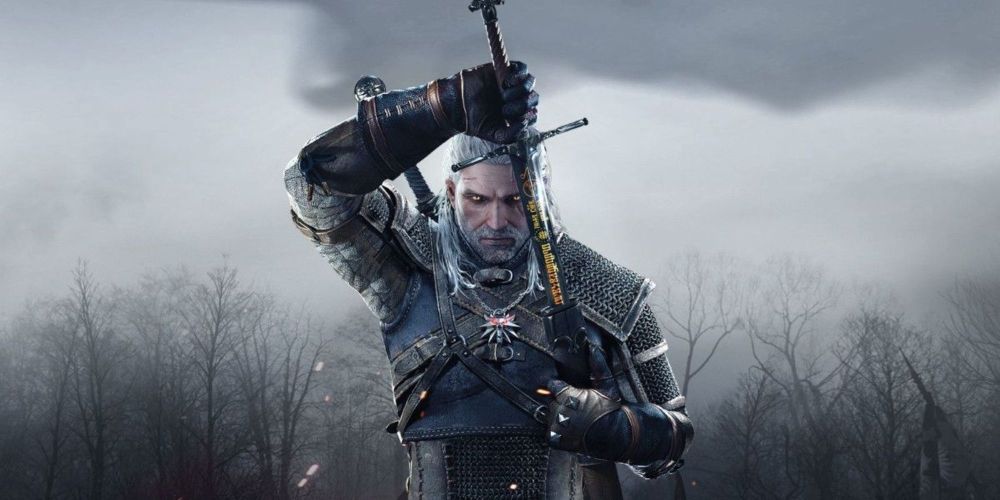
Examples of AAA Games:
- “The Witcher 3: Wild Hunt” by CD Projekt Red – Known for its vast open-world, rich narrative, and complex characters.
- “Call of Duty” series by Activision – A series of first-person shooters that exemplify high production values, including detailed graphics, robust multiplayer capabilities, and significant annual releases.
Key Differences
1. Budget and Scope:
- Indie Games: Operate on modest budgets, which often limits their scope in terms of graphics, world size, and features. However, this constraint has spurred innovation, with many indie games exploring novel gameplay mechanics and narrative styles.
- AAA Games: With their large budgets, these games showcase cutting-edge graphics, expansive worlds, and polished gameplay mechanics. They are often less risky in terms of themes and stick to proven formulas.
2. Creative Freedom vs. Market Appeal:
- Indie Games: Typically reflect the personal vision and passion of their creators. This can lead to more experimental and niche games that might not necessarily appeal to everyone but create deep, meaningful experiences for their audiences.
- AAA Games: While creative vision is still important, it often takes a backseat to marketability and profitability. This can lead to safer, more conventional games that follow successful trends but might lack in originality.
3. Development Process:
- Indie Games: Development teams are smaller, and the process can be more agile, allowing for quick pivots and changes based on feedback or creative insights. This flexibility can also lead to prolonged development times as teams are smaller.
- AAA Games: Have a structured development process with large teams divided into specialized departments. This means AAA games can be completed more quickly and efficiently but at the cost of a less personal touch in the creative process.
Conclusion
Both indie and AAA games have significant roles in the gaming world. Indie games push the boundaries of what games can be, often exploring uncharted territory in both story and gameplay. In contrast, AAA games continue to refine what we expect from high-quality video game experiences, offering immersive worlds and top-tier production values.
As the industry grows, the line between indie and AAA can blur, with more independents achieving higher quality with increasing resources, and large studios seeking to capture the innovative spirit of indie games. Ultimately, the diversity between indie and AAA titles enriches the gaming landscape, providing gamers with a broad spectrum of experiences to choose from. Whether you’re in the mood for a deeply personal story or a blockbuster entertainment experience, there’s a game out there for you.
We will meet and interview several indie game developers at the Capital Creative Showcase. Come by and hang out!









 gfpods.com
Leave a comment