
In the labyrinth of modern cinema, “Knox Goes Away” emerges as a beacon of noir, blending the grim with the graceful. Directed by and starring Michael Keaton, this film offers more than just high-octane action; it’s a poignant exploration of memory, morality, and the pursuit of redemption.
The Story Unfolds
“Knox Goes Away” follows John Knox, a contract killer grappling with a rapid onset of dementia. Determined to atone for his past before his memory fades, Knox embarks on a quest to save his estranged son, weaving through the moral complexities of his profession and the inexorable advance of his condition.
Keaton’s Directorial Mastery
In “Knox Goes Away,” Michael Keaton’s directorial prowess is unmistakably showcased through his handling of both the film’s pace and its visual storytelling. The film intentionally takes its time, allowing the gravity of Knox’s situation—his battle with dementia amidst his final quest for redemption—to deeply resonate with the audience. This deliberate pacing is complemented by Keaton’s use of lingering shots that not only highlight the tragedy of Knox’s decline but also humanize him, inviting viewers to mourn the downfall of a character who would traditionally be viewed as villainous due to his profession as an assassin.
Keaton’s directorial approach extends to the cinematography, particularly in scenes that contrast the warmth of his character’s thoughtful moments with the cold efficiency of his professional hits. These visual choices—such as the lighting that seemingly warms Keaton’s face during moments of introspection, juxtaposed with the brisk competence displayed in action sequences—underscore the dichotomy of a man caught between his past deeds and his present, deteriorating reality. This visual storytelling enriches the narrative, allowing the audience to feel Knox’s fleeting grasp on reality as his condition worsens.

Cinematic and Musical Harmony
Alex Heffes, the composer behind the film’s score, demonstrates a profound understanding of the story’s heart. By weaving the music so closely with Knox’s personal quest for redemption and his confrontation with an unforgiving disease, Heffes ensures that the score becomes a narrative force in its own right. It underscores the urgency of Knox’s mission to set his affairs in order before his cognitive decline erases his chance for redemption. This interplay between music and story elevates the emotional stakes, making Knox’s plight not just a narrative to follow but an experience to feel deeply.
Furthermore, the score’s role in enhancing the film’s exploration of memory, identity, and redemption cannot be overstated. Through its thoughtful composition, the music reflects Knox’s internal struggles, his fleeting moments of clarity, and his determination to leave behind a legacy that transcends his past misdeeds. The choice of instruments and musical themes convey a spectrum of emotions, from the desperation of a man battling against time to the somber acceptance of his fate.
A Nostalgic Echo
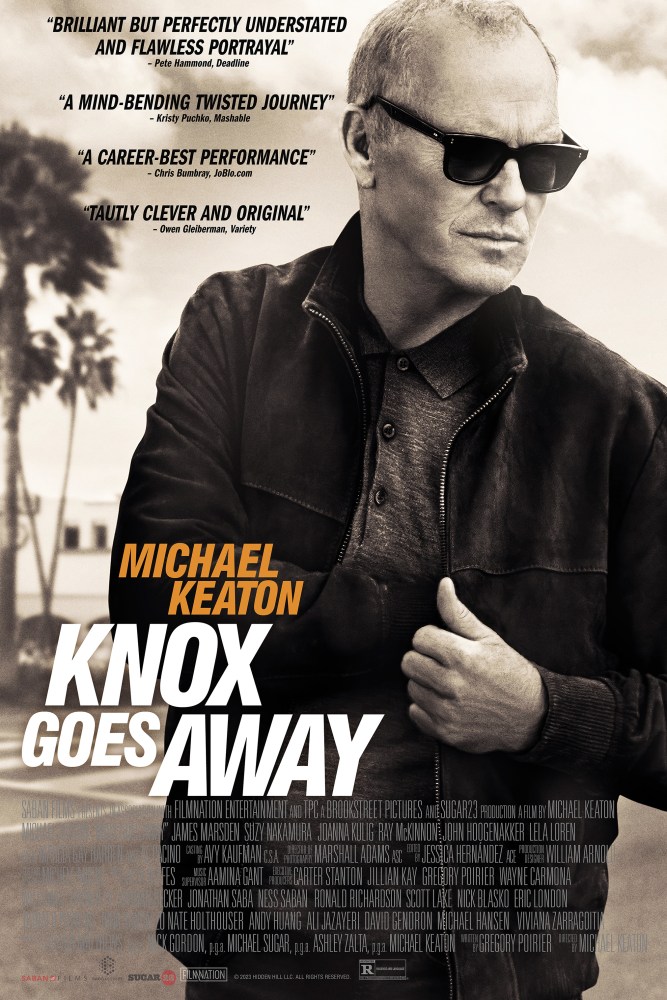
“Knox Goes Away” invokes a deliberate nostalgia, echoing the stylistic and thematic elements of action films from the late ’90s and early 2000s, reminiscent of titles like “Payback” and “Enemy of the State.” This stylistic choice is not merely aesthetic; it serves a dual purpose, both paying homage to a beloved era of cinema and enhancing the film’s exploration of deeper themes.
The subtle blue tones that permeate the film’s visual palette do more than set a mood—they encapsulate a sense of melancholy and introspection, reflecting the internal struggle of John Knox as he confronts the end of his career and, ultimately, his life. This visual strategy, characteristic of the gritty, neon-lit streets and shadowed faces of late 20th-century thrillers, draws the viewer into a world where moral ambiguities dominate, and the line between right and wrong is blurred by personal codes of honor and existential quandaries.
Furthermore, the bursts of intense action that punctuate the narrative not only serve to energize the story but also to underscore Knox’s professional prowess and the dichotomy of his existence. These sequences, executed with precision and flair, recall the visceral thrill of classic action films, where each confrontation is both a physical battle and a reflection of the protagonist’s inner turmoil.
The Complex Path to Redemption
The complexity of Knox’s redemption is a deliberate narrative choice, blurring lines and maintaining suspense through unexpected twists, which serves to deepen the story’s engagement with its audience. This narrative strategy not only keeps viewers on the edge of their seats but also mirrors the unpredictable and often convoluted path of personal redemption in real life.
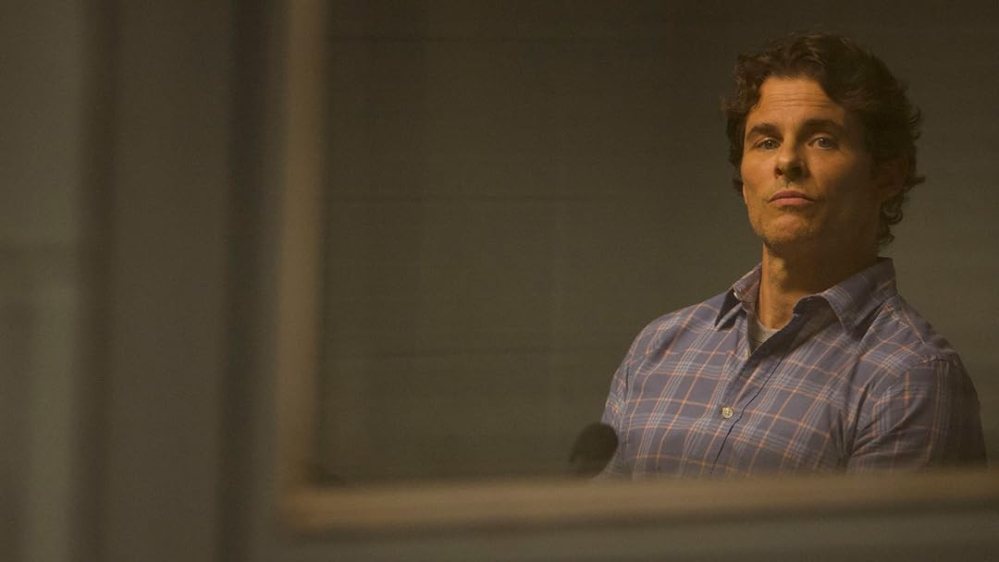
The resolution of Knox’s journey is particularly noteworthy for its nuanced handling of redemption and atonement. Unlike many action thrillers where the protagonist achieves a clear-cut moral victory, “Knox Goes Away” opts for a more realistic and morally ambiguous conclusion. Knox’s efforts to reconcile his past actions with his desire for redemption do not absolve him completely. Instead, the film presents a balanced view of punishment and atonement, acknowledging the weight of his previous life while also recognizing his genuine efforts to change.
This approach reflects the film’s deeper inquiries into the nature of redemption itself. It raises pertinent questions about the possibility of change, the capacity for forgiveness (both self-forgiveness and forgiveness from others), and the societal and personal implications of seeking redemption. By not providing easy answers or a neatly packaged conclusion, the film encourages viewers to reflect on the complexities of human nature and the ongoing struggle for redemption that many face.
Conclusion
Michael Keaton’s “Knox Goes Away” stands as a testament to the power of nuanced storytelling in the action genre. Through its exploration of redemption, memory, and morality, the film offers a fresh perspective on the hitman archetype, making it a must-see for aficionados of thoughtful cinema. In blending action with profound thematic exploration, Keaton delivers a film that is both thrilling and deeply human, a rare feat in today’s cinematic landscape.
Score: 8/10
Latest posts
-

Wario Rumor Heats Up as a Theater Listing Teases a New Villain Team in The Super Mario Galaxy Movie
The UK cinema chain Everyman has sparked speculation about The Super Mario Galaxy Movie, suggesting Wario may join the sequel alongside Bowser Jr. This listing, despite being unconfirmed, has intrigued fans due to its specificity.… Read more
-

Winona Ryder Joining Wednesday Season 3 Feels Like the Most Natural Casting Move Netflix Could Make
Netflix is in production for Wednesday Season 3, with Winona Ryder joining the cast. Her experience with Tim Burton and chemistry with Jenna Ortega enhance the show’s creative fit. As filming begins in Dublin, characters… Read more
-
A Knight of the Seven Kingdoms Season 1 Review: A Smaller Westeros With a Full Heart
There’s a particular kind of satisfaction you only get when a season finale feels like a real ending. Not a pause. Not a “next week on…” cliffhanger stretched into a season cap. Just a clean… Read more






 gfpods.com
Leave a comment