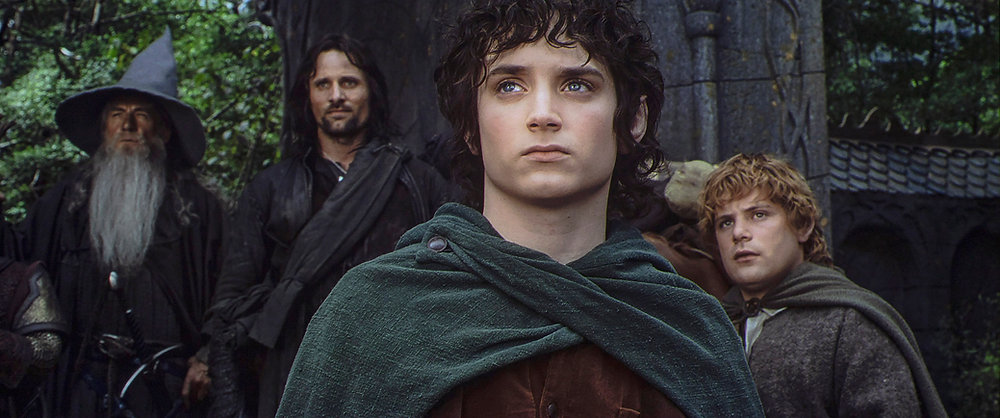
“The Fellowship of the Ring,” the first film in the groundbreaking “Lord of the Rings” trilogy directed by Peter Jackson, is a monumental adaptation of J.R.R. Tolkien’s beloved fantasy novel. Released in 2001, it set a new standard for epic fantasy in cinema.

Story and Adaptation
The film faithfully adapts Tolkien’s richly detailed Middle-earth, bringing to life the journey of Frodo Baggins, a young hobbit tasked with destroying a powerful ring sought by the dark lord Sauron. The narrative skillfully interweaves themes of friendship, bravery, and the corrupting influence of power. While some purists may point out deviations and omissions from the source material, these changes are generally well-justified in service of cinematic storytelling.
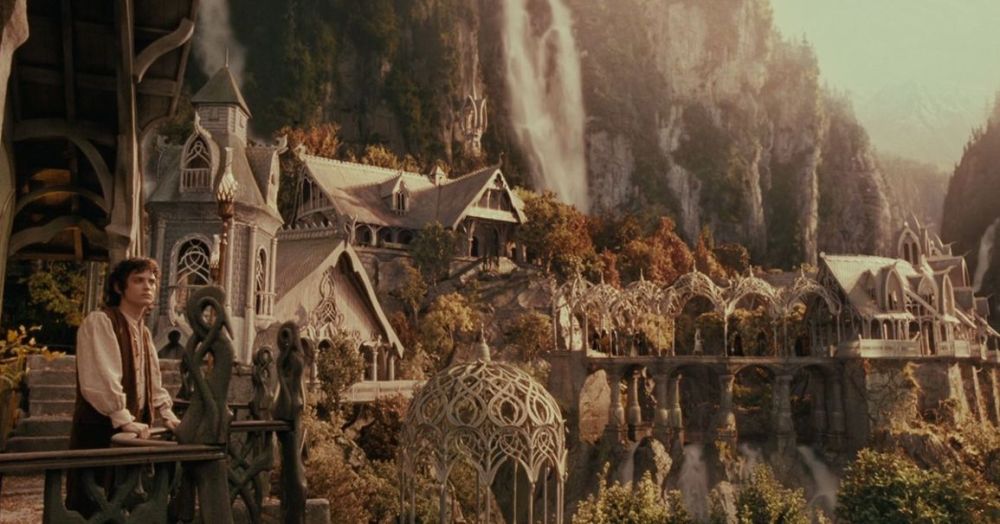
Visuals and Special Effects
” The Fellowship of the Ring” was a trailblazer in visual effects. The seamless integration of CGI with practical effects and meticulously crafted sets is nothing short of breathtaking. The film’s use of forced perspective to create the size differences between hobbits and other races is particularly ingenious. The landscapes of New Zealand, serving as the backdrop for Middle-earth, add a majestic and authentic touch to the visual narrative.

Cast and Characters
The casting is one of the film’s strongest aspects. Elijah Wood’s portrayal of Frodo captures the innocence and resilience of the character. Ian McKellen’s Gandalf is both wise and warm, imbuing the wizard with a sense of gravitas. The chemistry among the members of the Fellowship adds a layer of believability and emotional depth to their journey.
Music and Sound
Howard Shore’s score is a masterpiece. The music not only enhances the emotional and epic scale of the film but also becomes an integral part of the storytelling. The themes associated with different locations and characters are both memorable and evocative.

Direction and Pace
Peter Jackson’s direction is a delicate balance of grand spectacle and intimate character moments. The pacing is generally well-handled, though the film’s length might be a challenge for some viewers. However, the extended running time allows for a detailed exploration of Tolkien’s world.
Cultural Impact
The cultural impact of “The Fellowship of the Ring” cannot be overstated. It brought high fantasy into mainstream cinema and set a high bar for subsequent films in the genre. Its influence extends beyond cinema, reigniting interest in Tolkien’s works and fantasy in general.
Conclusion
“The Fellowship of the Ring” is more than just a film; it’s a cinematic experience. Its blend of storytelling, visual splendor, sound design, and character development creates an immersive world that has captivated audiences around the globe. It stands as a testament to the power of cinema to bring the most imaginative worlds to life.






 gfpods.com
Leave a comment