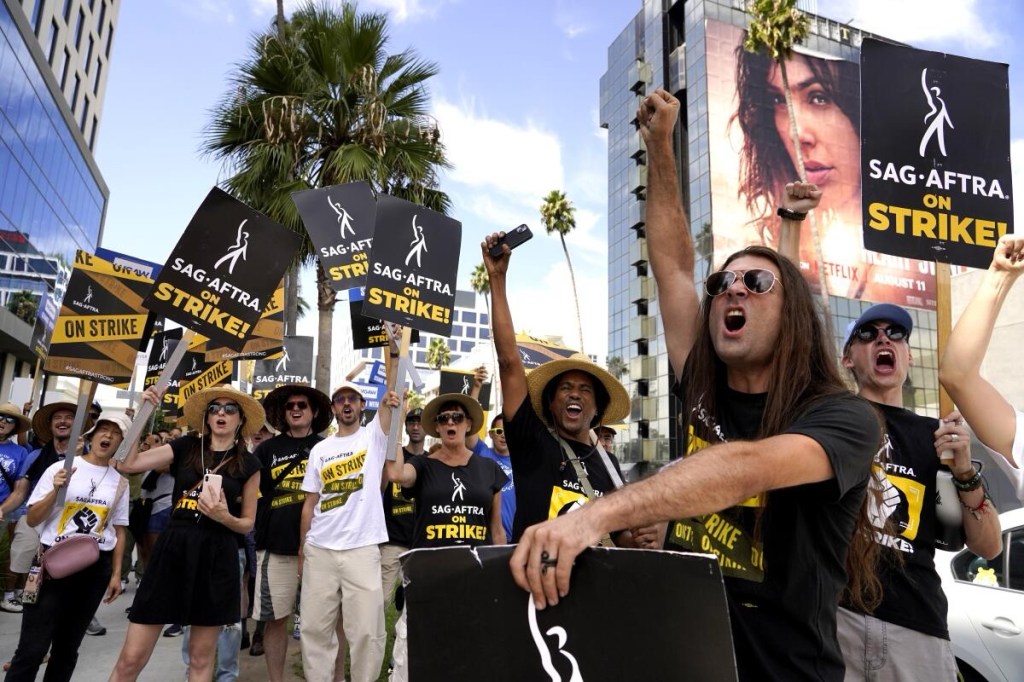
After 118 grueling days, the longest strike in the history of the Screen Actors Guild‐American Federation of Television and Radio Artists (SAG-AFTRA) has finally come to an end. The strike, which began in mid-July, had brought Hollywood to a standstill, halting production on numerous projects and thrusting many actors and writers into financially precarious situations.
The Strike and Its Impact
The strike was triggered by a breakdown in negotiations between SAG-AFTRA and major studios, including Disney, Paramount, Universal, Netflix, and Warner Bros. Discovery. The actors were seeking improved wages, working conditions, health and pension benefits, and protections against the use of AI in future television and film productions. They also sought more transparency from streaming services about viewership to calculate residual payments.
The strike’s impact was far-reaching, resulting in the loss of 45,000 jobs and an estimated $6.5 billion loss to the economy of Southern California. The dual strikes of SAG-AFTRA and the Writers Guild of America (WGA) virtually shut down Hollywood, halting production on scores of projects — from big-budget movie sequels to network series and streaming originals.
The Resolution
The tentative deal was reached after renewed negotiations that began on October 24. High-profile executives such as Netflix’s Ted Sarandos, Disney’s Bob Iger, NBCUniversal’s Donna Langley, and Warner Bros Discovery’s David Zaslav directly participated in the talks, indicating the seriousness of the negotiations.
The agreement is expected to meet SAG’s major demands around improved residuals, higher minimum wages, self-taped auditions, and protections for an actor’s likeness against AI. However, specific terms of the contract have not been disclosed. The deal will now go to the SAG-AFTRA national board for approval, and if approved, eligible members of the 160,000-strong actors guild will vote to ratify the new agreement.
The Aftermath and the Future
The end of the strike could see Hollywood up and running again within weeks, with people potentially returning to work soon and production restarting quickly. This comes less than a month after Writers Guild members ratified their own agreement with the AMPTP, ending their strike.
The resolution of the SAG-AFTRA strike marks a significant moment in Hollywood’s history. It not only ends a period of intense disruption but also sets the stage for a new era of improved working conditions and protections for actors. The successful negotiation of the new contract could serve as a blueprint for future labor disputes in the industry, demonstrating the power of collective action and the importance of fair negotiations.
As Hollywood prepares to get back to work, the industry will be watching closely to see how the new agreement is implemented and what impact it will have on the future of film and television production. The end of the strike is not just a victory for the actors, but for the entire industry, signaling a new dawn for Hollywood.




 gfpods.com
Leave a comment